
Voters in Colorado and Washington are facing ballot measures that would ban transgender girls from female school sports, bypassing legislatures in two reliably Democratic states where elected officials have repeatedly rejected such restrictions. While twenty-seven states with Republican-controlled governments have already enacted similar laws, these blue-state ballot questions mark the first time the contentious issue is being decided directly by voters.
Supporters of the initiatives view the electoral fight as a testing ground for future campaigns, hoping to open the door to similar measures in regions where lawmakers have blocked legislative bans. The push comes as national polls indicate broad public backing for restrictions in female athletics, even as some Democratic leaders nationally recalibrate their approach to transgender issues. A June poll from Quinnipiac University found that roughly seven in ten registered voters believe transgender women and girls should not participate on female sports teams, while about one-quarter support their inclusion. Among Democrats, opinion is split evenly.
In Washington, Initiative 638 would prohibit transgender girls from competing in female sports. Hedge fund manager Brian Heywood is funding Let’s Go Washington, the organization behind the measure, which is also campaigning for a parental access measure regarding school counseling records and an initiative to repeal a tax on incomes over $1 million. Western Washington University political scientist Todd Donovan noted that organizers hope voters drawn to the transgender sports ban will also support overturning the millionaire tax. Let’s Go Washington has raised more than $7.8 million for its ballot campaigns, nearly twice the amount raised by opponents of the sports ban.
The enforcement mechanism in the Washington proposal has emerged as a central point of contention. The measure would require a healthcare provider to verify a student’s biological sex using reproductive anatomy, genetic makeup, or normal endogenously produced testosterone levels. Hallie Herzberg, a spokesperson for Let’s Go Washington, described the requirement as straightforward, suggesting doctors can rely on patient history or medical forms. However, opponents argue the mandate is invasive and impractical. Dr. Libby Loft, an opponent of the initiative, warned that the language could necessitate genital inspections during physical examinations or expensive medical testing for a very small number of transgender athletes. Rosemary Kacorozki, a 63-year-old language interpreter from Renton, Washington, cited the verification requirements as her primary reason for opposing the measure, calling mandatory medical examinations outdated.
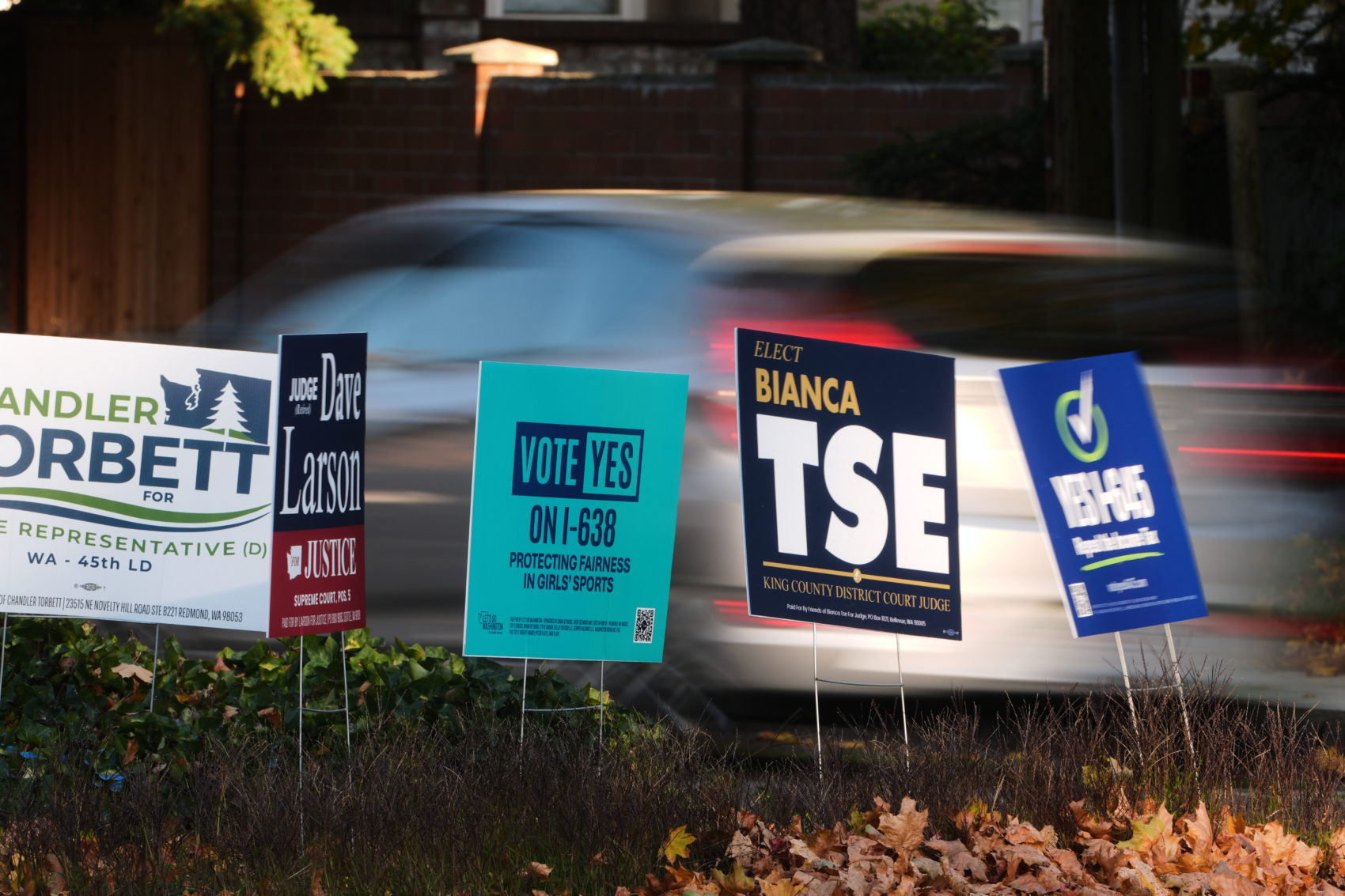
Proponents argue the restrictions are necessary to protect female athletes, preserve fair competition, and safeguard dedicated spaces for women under Title IX. Ahnaleigh Wilson, a 17-year-old high school junior from Eastmont, Washington, recounted her experience finishing second to a transgender athlete in a major meet during junior high, stating that the competition felt inherently unfair. Conversely, opponents contend that excluding transgender youth is discriminatory. Nadine Bridges, executive director of One Colorado, which is leading the opposition against that state’s measure, questioned the logic of protecting children by discriminating against others. Opposing groups in Colorado have raised nearly $4 million, significantly outpacing the fundraising efforts of the measure’s proponents.
In addition to the Colorado and Washington questions, ballot measures involving transgender restrictions are active elsewhere. Arizona voters will consider expanding an existing sports ban to encompass private schools, while Nebraska voters will weigh a measure to enshrine an existing state statute into the state constitution. Robert Preuhs, a political science professor at Metropolitan State University of Denver, noted that the absence of public polling on Colorado’s measure—which extends restrictions to college athletics—makes the outcome difficult to predict, though he suggested it may draw higher support than some Republican candidates on the ballot.