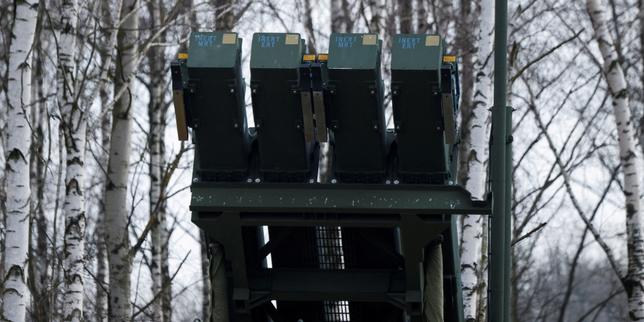
The United States Department of State has approved the sale of 500 Patriot PAC-3 MSE interceptor missiles to Ukraine in an agreement valued at over $2 billion. Manufactured by Lockheed Martin, the defense equipment is intended to reinforce Ukrainian airspace against incoming ballistic threats. According to Washington, the transaction will not draw on U.S. funding, but will instead be supported entirely by international partners—including Canada, Norway, and Germany—alongside Ukrainian funds backed by a European Union loan.
While welcoming the State Department’s decision, Ukrainian President Volodymyr Zelensky expressed significant concern regarding delivery schedules. Noting that the interceptors might not arrive for several years, Zelensky emphasized that his country requires immediate reinforcements to counter ongoing aerial assaults. Five hundred missiles would suffice to protect Ukrainian airspace over the coming months, a period he described as critical for maintaining a position of strength in potential negotiations and preventing widespread chaos in urban centers.
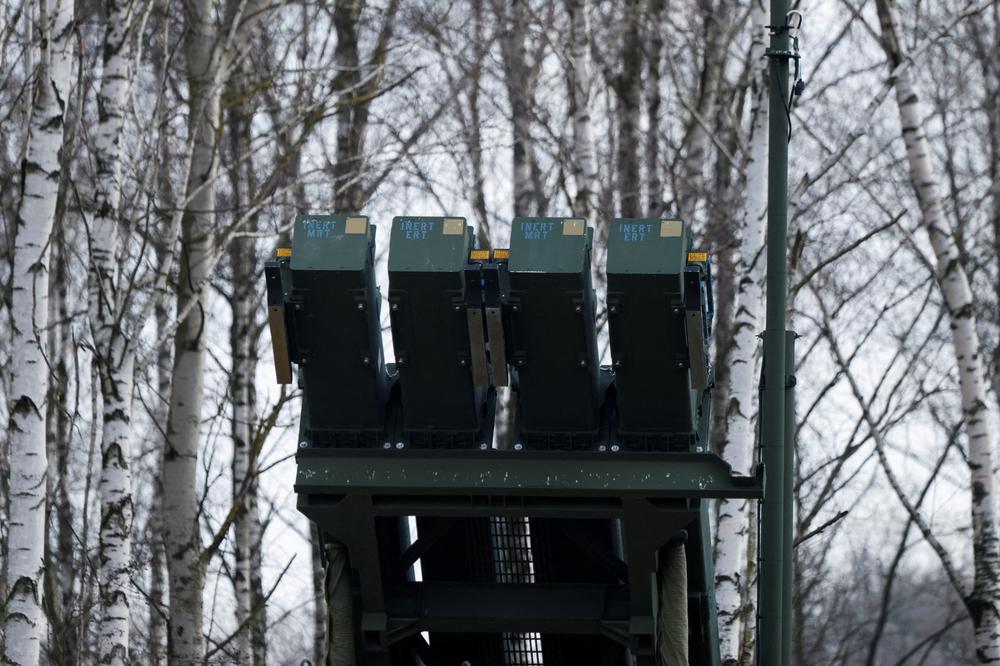
Zelensky previously asserted that deliveries are currently averaging roughly 12 missiles per month, while also pointing to acute shortages of Norwegian-built NASAMS intercepters. The latest defense authorization comes as Ukraine faces an intense wave of aerial bombardments. Government figures indicate that the Russian military has targeted Ukrainian energy infrastructure more than 350 times since September, damaging hundreds of substation and central plant components.
Diplomatic friction and international developments unfolded concurrently across various forums. During a G20 ministerial meeting in Atlanta, European Union foreign policy chief Kaja Kallas reported no sign of flexibility from Russian Foreign Minister Sergei Lavrov regarding peace talks. Kallas condemned the ongoing campaign against civilians, noting that the summer months proved exceptionally deadly, and supported the exclusion of a traditional group photo to avoid normalizing war crimes. Meanwhile, Lavrov characterized a brief exchange with U.S. Secretary of State Marco Rubio as pleasant, noting that while Moscow and Washington maintain diverging interests, maintaining dialogue remains preferable to confrontation.
In Washington, U.S. leadership hosted Stephen Hubbard following his release from imprisonment in Russia. President Donald Trump addressed questions regarding ongoing detentions and economic penalties, maintaining that Moscow remains largely indifferent to international sanctions.
Humanitarian efforts also saw movement as evacuated residents departed the contested Kherson oblast town of Olechky following the enactment of a local truce. Mediators from both sides coordinated the departure of civilians and the delivery of humanitarian aid without reported incidents, though broader diplomatic and security tensions persist across the conflict zone.