Trump Casts Preemptive Doubt on Midterm Results Amid Expanding Legal and Departmental Challenges

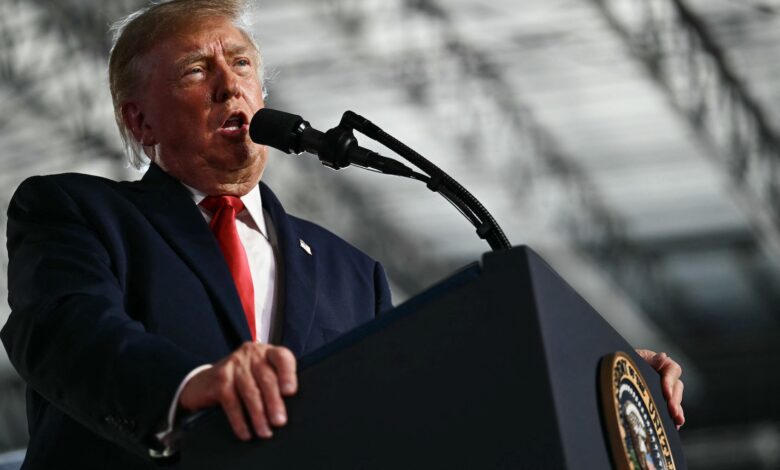
With the midterm elections just one week away, President Donald Trump has once again preemptively cast doubt on the integrity of the upcoming vote if results prove unfavorable to the Republican Party. When reporters questioned the president on Tuesday regarding whether he would unconditionally accept the November results, Trump responded, “I will if they’re honest elections.”
This conditional stance aligns with a familiar pattern established over multiple election cycles. In 2016, Trump stated he would accept election results if he won. Ahead of the 2020 vote, he repeatedly declined to commit to accepting the outcome, remarking that the public would have to see what happened. During the 2024 cycle, he similarly maintained that he would accept the results provided the election was fair, legal, and good. To date, Trump has not acknowledged losing the 2020 presidential contest to Joe Biden, asserting his victory more than 100 times despite a lack of evidence for widespread voter fraud and after losing at least 64 court challenges contesting those results.
Elections experts and legal observers have expressed growing concern that the administration may take more assertive steps to contest or annul voting outcomes, particularly as the Department of Justice increases its involvement in election-related matters. Earlier this month, the DOJ filed criminal charges against more than two dozen green card holders in California, accusing them of unlawfully registering to vote or casting fraudulent ballots. Last week, Trump personally requested a DOJ lawsuit against Alaska aimed at blocking the certification of the state’s Senate election should the Republican incumbent lose—an unusual intervention into state-level election administration.
In a related development on Monday, the Trump administration threatened Washington state with legal action unless officials purge approximately 400 individuals from the state’s voter rolls over allegations that they are not U.S. citizens. Washington Secretary of State Steve Hobbs strongly criticized the timing of the demand, noting it arrived just one week before the general election with the intent of casting unfounded suspicion on the outcome. Hobbs stated that Washington authorities take voter protection seriously, process requests only through established due process, and aim to protect residents from harassment following similar events in California.
Former election officials and policy analysts suggest that even if specific legal maneuvers fail to alter vote counts, the broader strategy may be aimed at eroding public confidence in the security of American elections. Michael McNulty, a former senior elections adviser for the U.S. Agency for International Development who has studied electoral processes in nations such as El Salvador, Hungary, and Venezuela, noted that the approach mirrors tactics observed in various international settings where the independence of justice departments has been undermined.
Meanwhile, voting rights advocates and policy researchers emphasize that state and local officials maintain robust, layered security measures to safeguard election integrity. Experts from research organizations argue that allegations of voter fraud and invocations of national security are frequently utilized as pretexts to challenge legitimate outcomes, despite a lack of evidence supporting widespread fraud and constitutional limitations on presidential authority over state-run elections.