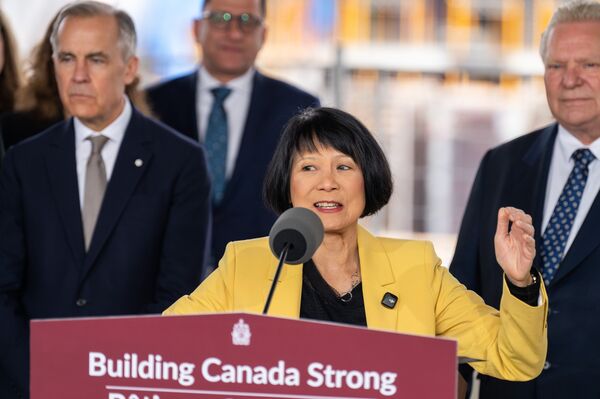
Toronto voters have reelected progressive Mayor Olivia Chow for a second term, opting to maintain her policy agenda focused on enhanced social services, housing affordability, and public transit.
The 69-year-old incumbent held a strong lead with 54 percent of the vote as returns came in at 10 p.m. Toronto time, successfully fending off a robust challenge from centrist city councilor Brad Bradford. Bradford’s campaign centered heavily on public safety and lowering taxes, though official figures indicate that homicides, shootings, and break-and-enters have trended downward during Chow’s tenure.
Chow previously assumed office following her victory in 2023, initiating a three-year term defined by notable fiscal shifts and administrative measures. During this period, property taxes rose by a cumulative total of nearly 20 percent, while Chow has pledged to constrain future increases closer to the rate of inflation. Financial institutions responded to the city’s fiscal strategy by adjusting ratings; in 2024, S&P Global upgraded Toronto’s long-term credit rating to AA+ from AA, marking the municipality’s highest standing since 2001, citing a combination of increased revenue generation and targeted cost-cutting measures.
Additional accomplishments during her first term included the hiring of a dedicated chief congestion officer, the extension of municipal library operating hours, and the introduction of renter-friendly bylaws designed to strengthen tenant protections across the city of approximately 3 million residents.
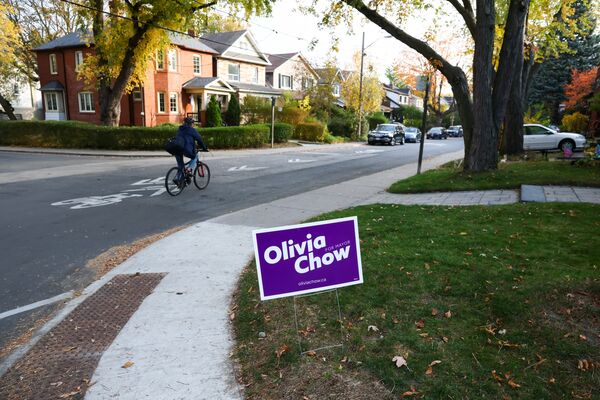
Looking ahead to her second term, Chow has committed to advancing several key initiatives. Her platform includes expanding rental housing development, maintaining transit fare caps, and implementing free school lunches—an ambitious proposal that necessitates financial and operational buy-in from other levels of government. Furthermore, she helped secure the passage of a municipal motion in March to establish a pilot project for four city-operated grocery stores, and has advocated for a moratorium on new data centers.
The incoming administration will also face broader economic and geopolitical headwinds, including navigating fiscal pressures stemming from the ongoing United States trade war and declining population growth in a municipality where newcomers historically serve as a primary economic engine. Toronto currently operates on a C$18.9 billion, or approximately $13.5 billion, operating budget.
Political dynamics at the provincial level present additional complexities. Despite holding contrasting political philosophies, Chow has earned praise from Ontario Premier Doug Ford, who remarked to reporters in September that she was performing an incredible job. Nevertheless, the municipal and provincial governments have clashed on specific policy areas, most notably transportation infrastructure. Earlier this month, following a court decision, provincial authorities began removing bike lanes in the city’s western neighborhoods against the explicit wishes of the mayor.