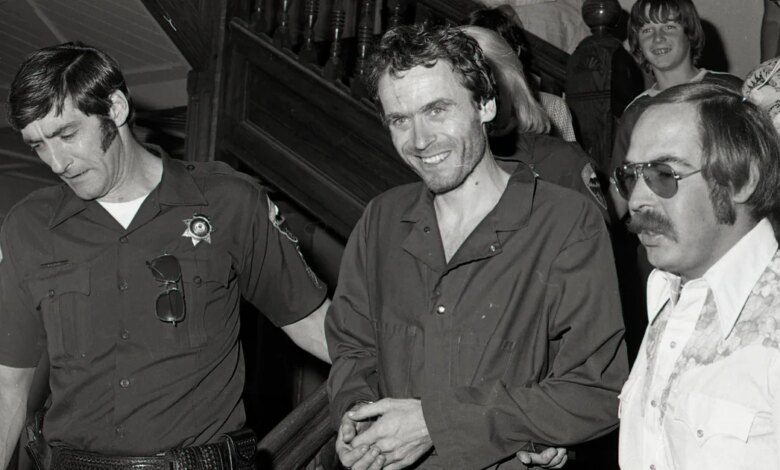
Serial killer Ted Bundy has been linked to the 1974 murder of a Utah teenager through advances in DNA testing, more than half a century after a hunter first discovered her remains, local authorities announced on Tuesday.
Investigators confirmed that Bundy was responsible for the death of 17-year-old Melissa Ann Smith, resolving a decades-long cold case, Summit County Attorney Margaret Olson stated during a news conference. Smith disappeared near the end of October 1974, and deer hunters subsequently discovered her bludgeoned body. Olson noted that beyond the biological evidence, the teenager’s death bore the distinct hallmarks of Bundy’s pattern, motive, means, and opportunity.
Law enforcement solved the cold case by establishing crucial DNA connections between Smith and Laura Aime, another victim of the serial killer whose case was resolved in April in Utah County. Utah County Sgt. Mike Reynolds explained that a highly similar DNA profile linked to Bundy was recovered from evidence gathered during Smith’s autopsy. Officials emphasized the critical role that preserving historical physical evidence played in finally bringing clarity to the investigation.
Salt Lake County Sheriff Rosie Rivera highlighted the significance of maintaining old evidence files, while Reynolds expressed hope regarding the ongoing resolution of these historical cases, stating that each closure helps diminish the killer’s legacy. Authorities confirmed they have been in contact with Smith’s surviving next of kin, none of whom currently reside in the local area.
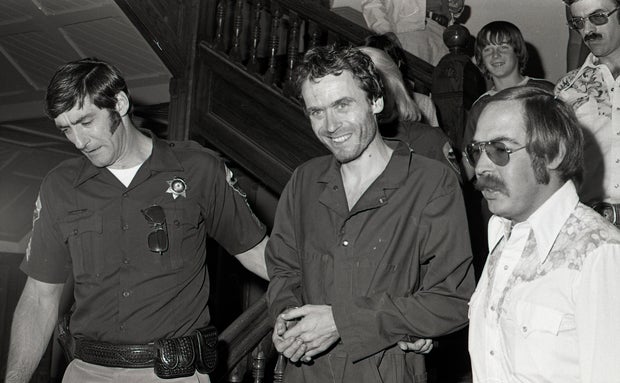
Bundy, one of the nation’s most notorious and prolific serial killers, died by execution in the electric chair in Florida in 1989 for the 1978 murders of two women at the Chi Omega sorority house at Florida State University. Throughout the 1970s, he committed murders across multiple states, claiming the lives of at least 30 women and girls, while many others survived physical attacks or managed to escape.
Investigative opportunities expanded significantly in 2011 when a vial of Bundy’s blood—drawn following his 1978 arrest in connection with the murder of a 12-year-old girl—was discovered in Florida. Law enforcement entered the full DNA profile into the FBI’s national database, providing a vital tool for connecting the serial killer to unsolved crimes. By the time Bundy relocated to Salt Lake City in September 1974, young women and college students were already disappearing in Washington state, marking the expansion of a multi-state killing spree that eventually encompassed Utah, Idaho, and Colorado.