
In the moments before a Russian drone tore through a quiet park in the eastern Ukrainian city of Kharkiv on October 19, Yulia Spichak was performing a routine act of modern life. The 34-year-old makeup artist had just dropped her son off for an English lesson and sat down to send a selfie to her sister, Alina. Seconds later, a Russian Geran-4 jet-powered drone slammed into the area, killing Spichak and four others. Among the dead was a 1-year-old girl. The tragedy has now become the center of a brewing controversy over the reliability of the satellite-based communications infrastructure that Ukraine relies on for both its survival and its defense.
The strike occurred exactly six days after SpaceX, led by Elon Musk, began throttling Ukraine’s access to the Starlink satellite network. While the system has been a lifeline for the country since the early days of the Russian invasion, Musk recently moved to restrict its use, citing violations of the service’s terms of use. In a public post on X, Musk accused the Ukrainian military of utilizing the civilian commercial service for offensive drone strikes inside Russia, a practice he claimed had reached a “loophole” that he was compelled to close.
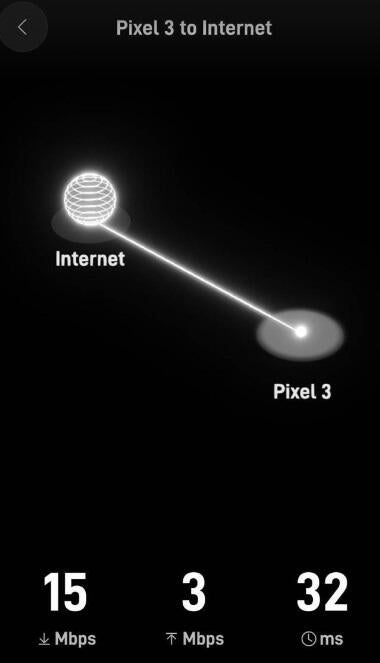
However, the consequences of that policy change appear to have extended far beyond the front lines of offensive operations. Technical data and internal logs reviewed following the October 19 strike show that Starlink connectivity for ground-based air defense radars dropped to just 0.1 megabytes per second. According to technical experts familiar with the system’s operational requirements, such a low speed is insufficient to load a basic webpage, let alone maintain the high-bandwidth data stream required to power the air defense systems that protect civilian centers.
Ukrainian officials confirmed that the restrictions were imposed without advance notice, specifically targeting ground-based air defense radars and drone interceptors. Vadym Ivchenko, a member of the Ukrainian parliament serving on the National Security, Defense, and Intelligence Committee, emphasized that while other defense systems remained operational, Starlink had become an “essential part” of the nation’s air defense infrastructure. The throttling effectively blinded certain interceptor units at a critical moment.
The weapon used in the Kharkiv park attack, a Geran-4 jet-powered drone, is noted for its high speed. Alina Spichak, who revisited the site of her sister’s death, noted that the victims never heard the drone coming. The loss of radar connectivity meant that the window for any localized air defense response was non-existent. “I understand that everyone has their own lives and nobody wants to look at these horrors,” Alina Spichak said. “But I believe that the whole world has to know what is happening in Ukraine, that there is a war here and we are being attacked.”
The dispute between the Ukrainian government and SpaceX has also highlighted issues with Starshield, the military-grade satellite network intended for more secure operations. Ukrainian officials have reported similar connectivity problems with Starshield, which operates on the same constellation of satellites as the civilian Starlink service. Musk has pushed back on these complaints, stating that the U.S. government maintains control over any changes to Starshield, though the White House has distanced itself from the recent service interruptions. President Trump recently told reporters that he did not issue any orders to restrict Starlink access in Ukraine.
By the following Saturday, Ukrainian officials confirmed that full Starlink access had been restored across the country. In his justification for the temporary throttling, Musk maintained that SpaceX had never intended for its civilian technology to be used for “offensive drone strikes to kill people.” Nevertheless, the blackout in Kharkiv has raised urgent questions about the humanitarian cost of enforcing service terms in a conflict zone, where the line between an offensive weapon and a defensive shield is often blurred by the speed of incoming fire.