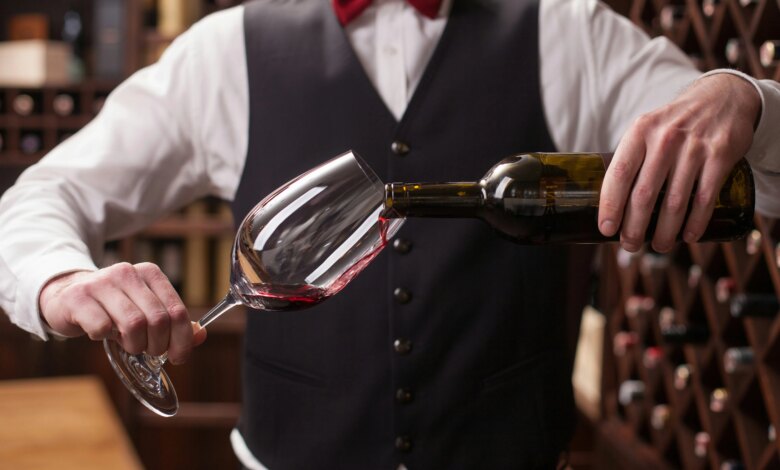
For decades, the title of sommelier carried a specific, singular connotation: an expert in the selection, service, and pairing of wine. However, the linguistic boundaries of the term are currently undergoing a dramatic expansion. Today, diners may encounter water sommeliers, tea sommeliers, and even specialists in olive oil or hot sauce, all utilizing a title historically reserved for the vine to signal a high level of sensory expertise. This shift has sparked a debate within the hospitality industry over whether the term is being diluted or if it simply reflects a maturing market where guests demand the same level of curation for a glass of mineral water as they do for a vintage Bordeaux.
The appeal of the title is rooted in the immense authority earned by its original practitioners. In the wine world, the path to becoming a Master Sommelier is famously grueling. Organizations like the Court of Master Sommeliers, Americas, provide a structured four-tier progression: Introductory, Certified, Advanced, and finally, Master. Even the entry-level Introductory course, a two-day program, currently costs $949. To reach the Master level, candidates must pass rigorous oral theory exams, perform flawless practical service under pressure, and correctly identify six wines in a blind tasting, all while maintaining a minimum score of 75 percent in every section. This level of prestige is what newer beverage specialties are attempting to borrow.
In the realm of tea, the professionalization of the craft is already well underway. Catherine Hicks Cosgrove, the founder of the specialty tea brand Forgrave, invested roughly $2,000 to earn a qualification through the International Tea Masters Association (ITMA). While the ITMA curriculum typically combines a two-day initial training period with eight weeks of home study, Cosgrove extended her education over two years to refine her palate. Her training involved 18 detailed tea evaluations and a blind assessment of a mystery tea.
The practical value of this expertise often manifests in the smallest details, such as brewing temperature. Cosgrove notes that many consumers find green tea bitter because they brew it with boiling water; her training teaches that brewing at 165 to 175 degrees Fahrenheit for just one to two minutes can transform the profile. Her knowledge also extends to the technical differences in processing: Japanese sencha, which is steamed to halt oxidation, offers marine, grassy, and savory notes, whereas Chinese Dragonwell (Longjing) is pan-fired, resulting in a rounder texture and aromas of toasted chestnut.

However, unlike the standardized world of wine, tea and water programs are largely self-regulated. This lack of a central governing body means the title “tea sommelier” can vary wildly in meaning. Cosgrove advises consumers to look beyond the title and ask about the depth of the training, specifically how much actual tasting was involved and whether the candidate faced an exam they could actually fail.
Perhaps the most controversial expansion of the title is into the world of water. Critics often dismiss the idea of a water sommelier as a marketing gimmick, but proponents argue that the mineral composition of water profoundly affects the palate. Charles Craig, a water sommelier who goes by Charles 5.0 and founded World Water Imports, received his training at the Doemens Academy in Germany. The Doemens program is an intensive 10-day course that includes sensory training and four separate examinations covering mineral composition, geology, and water-list development. The cost for the October 2026 course is set at €3,150, or approximately $3,525.

Craig focuses on the concept of Total Dissolved Solids (TDS), a measure of the minerals held in solution within the water. The differences can be staggering: while an American mineral water like Cedar Mountain might contain 290 milligrams per liter of TDS, Lithuania’s Vytautas brand reports roughly 7,300 milligrams per liter. For Craig, the goal is not necessarily to prove one water is better than another, but to demonstrate how these mineral levels change the flavor and mouthfeel of other products. He often demonstrates this by serving Jameson Irish whiskey alongside tap water and high-mineral water; the mineral content can dramatically shift the spirit’s finish. He also prepares identical batches of coffee and tea using different waters to show how the water serves as a critical, if often overlooked, ingredient.
While the technical knowledge of these specialists is documented, the ultimate test remains the guest experience. Jan Konetzki, a four-time U.K. Sommelier of the Year and independent consultant, argues that the most important skill for any sommelier is the ability to read the room. Konetzki, who has managed the wine programs at high-end establishments like Restaurant Gordon Ramsay and the Four Seasons, notes that hospitality is often about a gesture of generosity rather than a lecture on mineral content.

Konetzki recalls a regular guest who was happy to pay £120 for a slightly larger pour of Salon Champagne, despite it being significantly more expensive than the house option. The guest wasn’t paying for technical data; they were paying to feel well-cared for. Konetzki believes that while a sommelier should understand the bitterness of a specific tea or the savory depth of a sake, that knowledge must be delivered at the right temperature, in the right vessel, and at the right moment. He notes that a mineral-water tasting might be revelatory for a curious diner but tedious for someone who simply wants a cold drink.
As the industry looks toward the future, the business of specialty beverages continues to scale. Craig plans to expand the distribution of mineral waters through World Water Imports in early 2027, featuring reusable delivery and serving systems. He is also collaborating with other educators to standardize water tasting protocols internationally.

Ultimately, the rise of the multi-disciplinary sommelier reflects a shift in consumer interest toward provenance and craft in all categories. Whether the title is applied to wine, tea, or water, its value is determined by the specialist’s ability to help a guest navigate a complex menu. As Konetzki suggests, the certificate on the wall serves as a credential, but the true mark of a sommelier is the ability to leave a guest better equipped to enjoy their glass, regardless of what is inside it.