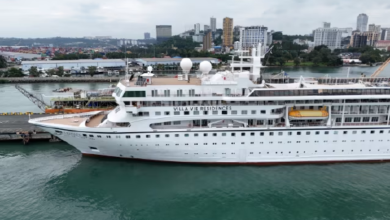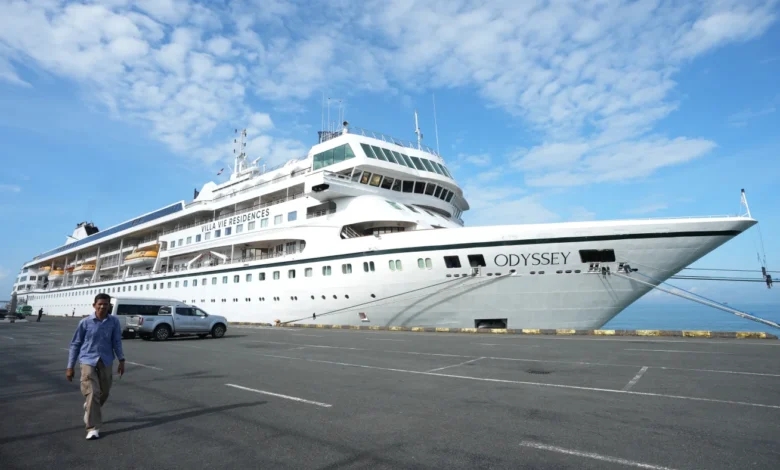
A U.S.-operated residential cruise ship offering long-term global travel has suspended its multi-year voyage in Cambodia, stranding hundreds of passengers after soaring fuel costs crippled its operating budget.
The MV Odyssey is currently docked at the Sihanoukville Autonomous Port on the Gulf of Thailand with no certain departure date. The vessel has been carrying 203 passengers—predominantly American citizens—along with 156 crew members, according to Cambodian local officials. Built in 1993, the ship was acquired by its Florida-based operator, Villa Vie Residences, in 2023 after being laid up during the COVID-19 pandemic. Its ambitious 3.5-year journey across seven continents officially commenced in October 2024 from Belfast, Northern Ireland, following a refitting process.
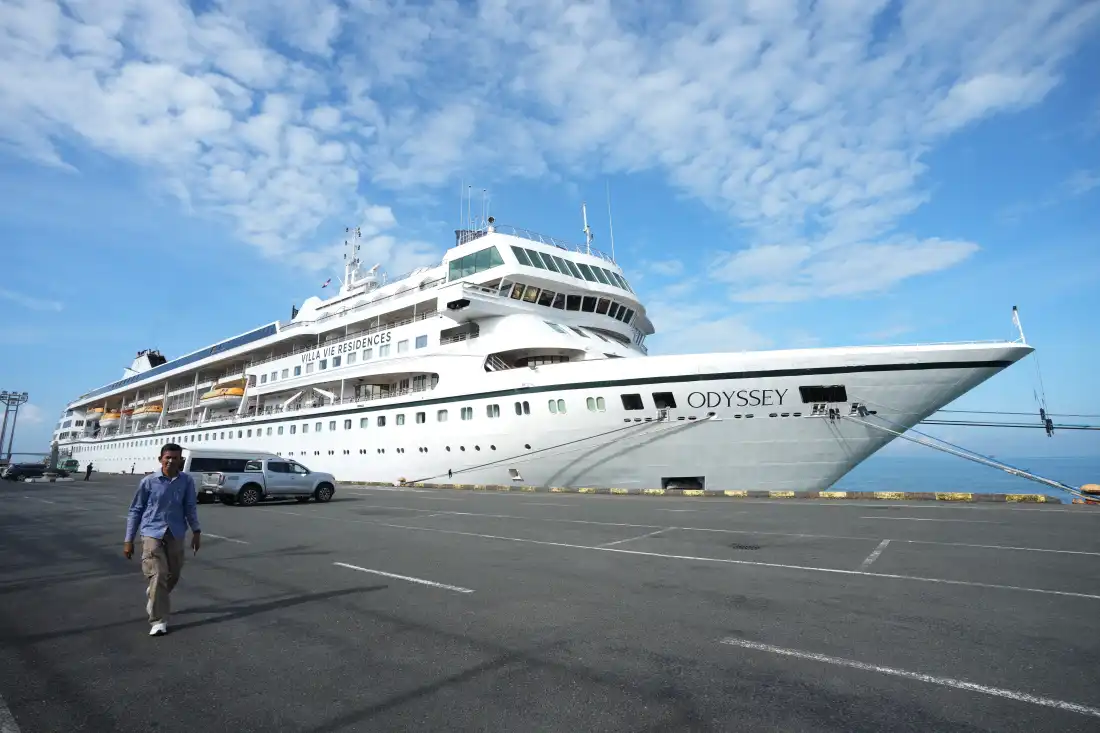
The voyage was marketed as an opportunity for travelers to make the vessel their permanent home, with suite purchase prices for the lifetime of the ship starting around $230,000. Carol Larson, a 69-year-old passenger from California, reported purchasing her cabin for $120,000 paid through installments, alongside monthly maintenance fees under an arrangement intended to span up to 15 years.
According to Villa Vie Residences, monthly fuel expenses per cabin historically averaged $1,800 but surged to an estimated $6,000 to $8,000 in parts of Asia. The company attributed the drastic price increases to disruptions in the Strait of Hormuz following the outbreak of the war in Iran, which squeezed petroleum supplies across Southeast Asia. Management attempted to mitigate the financial strain by slowing itineraries and spending extended time in port, but stated it could no longer absorb the ongoing operating losses.
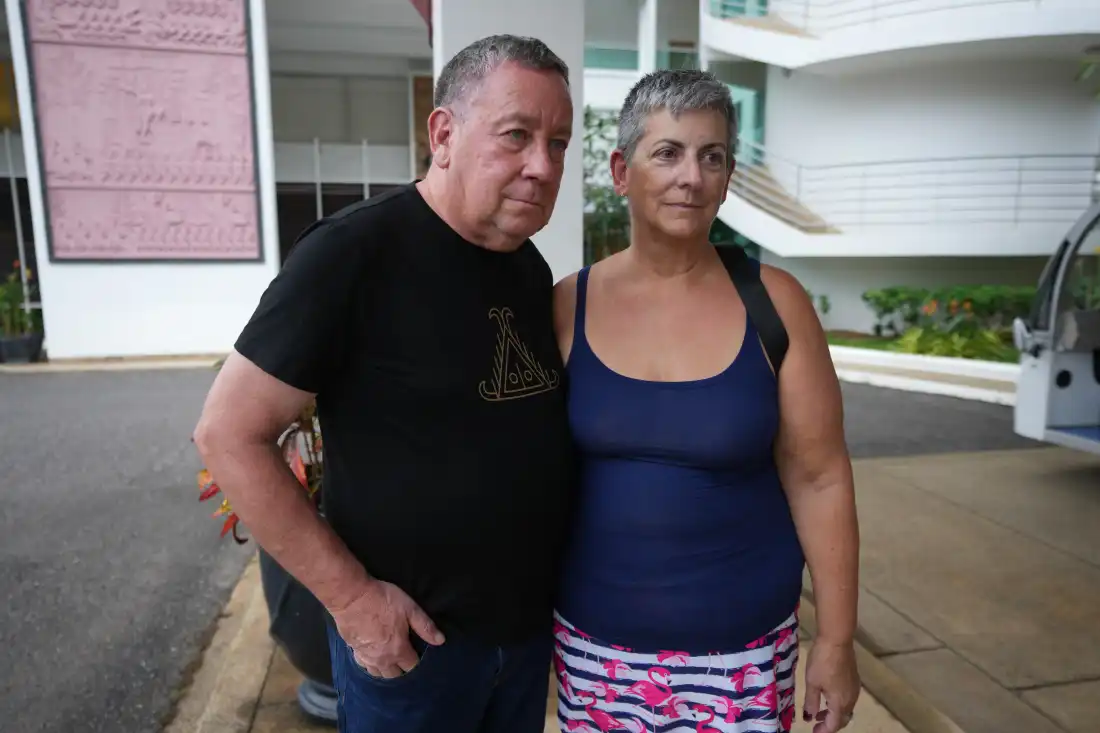
In a statement issued on a Tuesday, the company announced it could not continue carrying the losses and noted that passing the full price increases directly onto residents was unrealistic. The operator stated its immediate focus was supporting residents, crew, and employees while pursuing restructuring, and indicated it was working with passengers to coordinate disembarkation and temporary housing.
Passengers, however, offered a sharply contrasting account of the situation on the ground. Travelers reported receiving only seven hours of notice on Tuesday to disembark without company-provided support, forcing them to secure their own alternative arrangements.
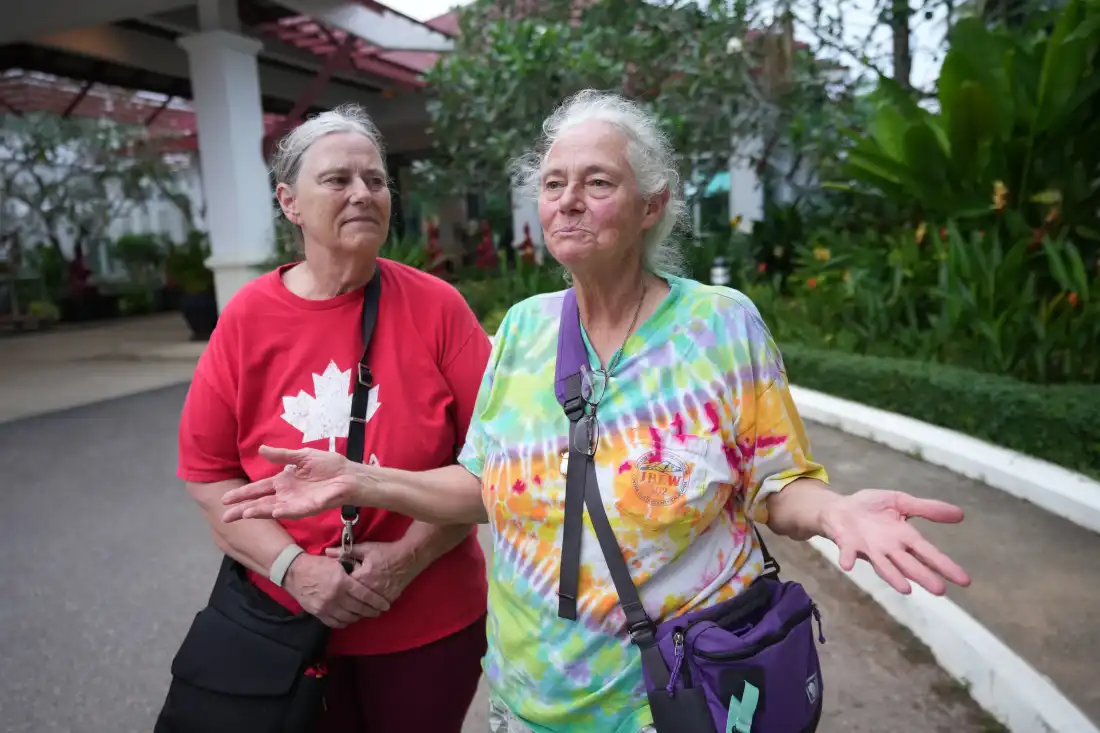
Paul and Lynn Montoya, a retired couple from Wyoming who boarded the ship 17 months prior in Panama, argued that the suspension reflected deeper financial mismanagement rather than solely external fuel pressures. Paul Montoya contended that the shipowner lacked the necessary expertise to sustain the business model, pointing to declining food quality, unreliable internet access, and frequent itinerary changes that had prompted other residents to leave in preceding months. Lynn Montoya added that passengers had been repeatedly asked to contribute additional funds for fuel and other expenses every two to four weeks—including a recent solicitation to finance the vessel’s departure from Cambodia—and claimed that crew members had gone unpaid.
Despite the abrupt halt and logistical turmoil, several passengers expressed lingering affection for the concept of residential cruising. Larson and her sister, Crystal Lavering, 72, who also lived aboard for 18 months, described the suspension as heartbreaking while voicing hope that residents might organize to purchase the vessel and rescue the venture. Larson acknowledged the inherent risks of investing in a startup venture, noting she felt blessed to have participated in the experiment regardless of its premature conclusion.
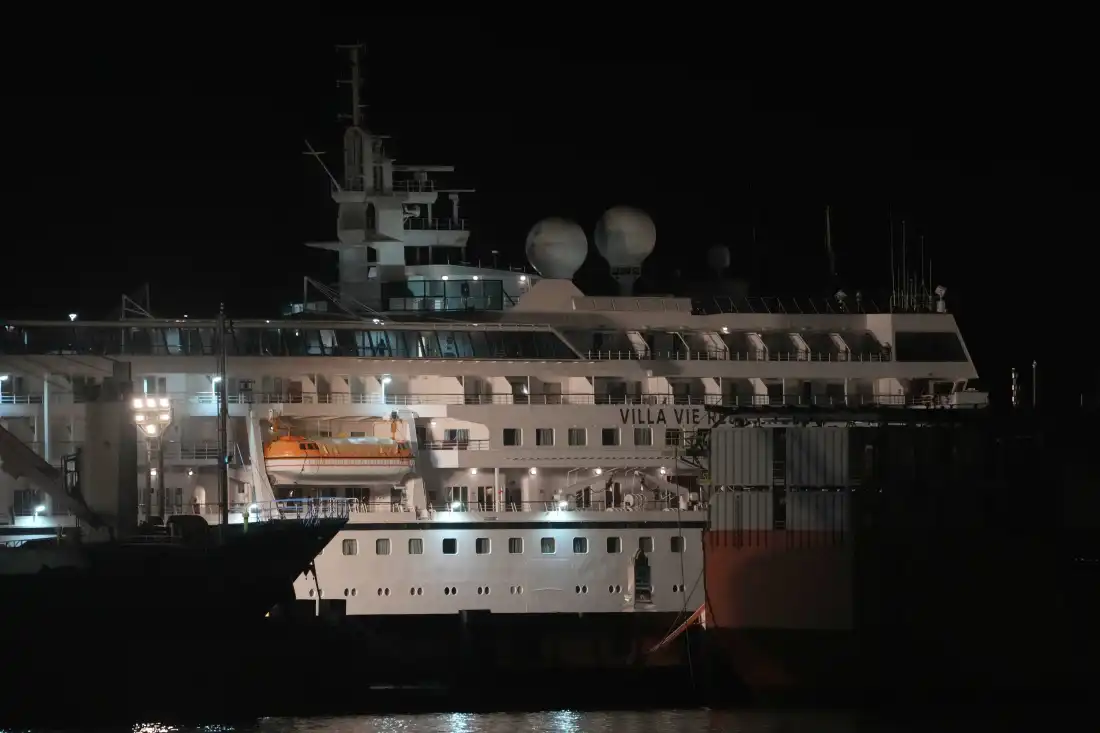
Local authorities in Cambodia have been monitoring the situation. Long Dimanche, deputy governor of Preah Sihanouk province, stated that the vessel arrived last Friday and was initially scheduled to depart Wednesday, with expectations that it would refuel and leave Cambodia on Saturday. However, the ship’s operator has not publicly confirmed a departure schedule.
Sihanoukville has previously accommodated cruise ships facing extraordinary maritime crises. In February 2000—referenced locally alongside historical port arrivals—the port welcomed the MS Westerdam after it was turned away by five nations due to early coronavirus concerns, allowing 1,455 passengers, including more than 600 Americans, to disembark and return home.