Republicans across the country are grappling with mounting anxiety as the midterm elections approach, with senior party figures warning of potential losses across multiple races. In a Wednesday episode of his podcast, Senator Ted Cruz of Texas voiced stark concern about the political landscape in his home state. Cruz stated that the race is excruciatingly close and warned that Republicans could lose Texas entirely, adding that the vulnerable contests extend beyond the Senate to every single statewide race.
House Republicans are reportedly looking past quiet deliberations and openly counting potential seat losses, with one senior Republican describing the outlook as a potential brutal evening. Meanwhile, the mood within the White House is characterized as grim as close advisers anticipate losing the House and potentially the Senate as well.
Amid these darkening prospects, billionaire Elon Musk has injected nearly half a billion dollars into the election cycle, primarily through his America PAC. Reporting indicates that this spending streak positions him as the single largest disclosed donor in modern American politics and a historic benefactor for the Republican Party. The PAC’s financial footprint has concentrated heavily on Texas with approximately $48 million, followed by about $9 million each in Michigan and Ohio, and $4 million in Iowa.
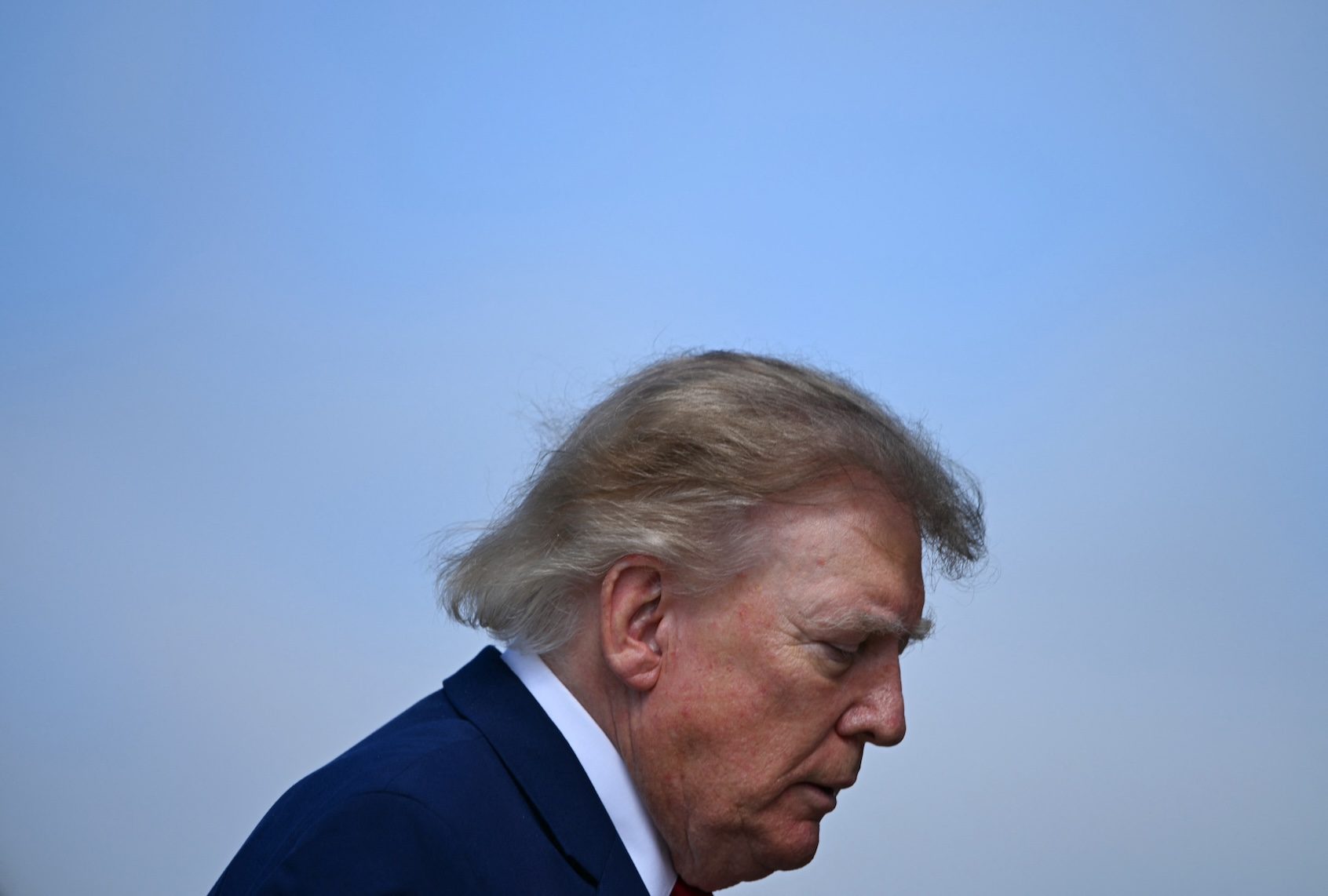
Beyond the immediate electoral outcomes, political analysts and legal experts are increasingly focused on how President Donald Trump might react to unfavorable results. While some observers anticipate challenges to election results, legal specialists note that the administration’s administrative options remain constrained. Jonathan Diaz, director of voting advocacy and partnerships at the Campaign Legal Center, noted that while the president can certainly try to intervene—such as attempting to seize voting machines or declaring a national emergency—there is simply not a lot that can actually be done given the legal limitations.
Analysts widely anticipate that a weakened domestic political standing could prompt the president to escalate foreign engagements, including ongoing trade conflicts and the military campaign involving Iran that began in late February 2026. The Pentagon has continued building its military presence in the Middle East, formulating potential plans to target Iranian nuclear facilities, energy infrastructure, and missile and drone stockpiles.
While a hostile congressional opposition may attempt to push back, experts suggest that facing domestic friction could simply embolden the administration to bypass domestic dissent entirely. Andrew Gawthorpe, a senior research fellow at the Foreign Policy Centre, observed that while Democrats in Congress may find it difficult to restrain the administration, they can still raise the political costs associated with pressing forward on controversial policies.