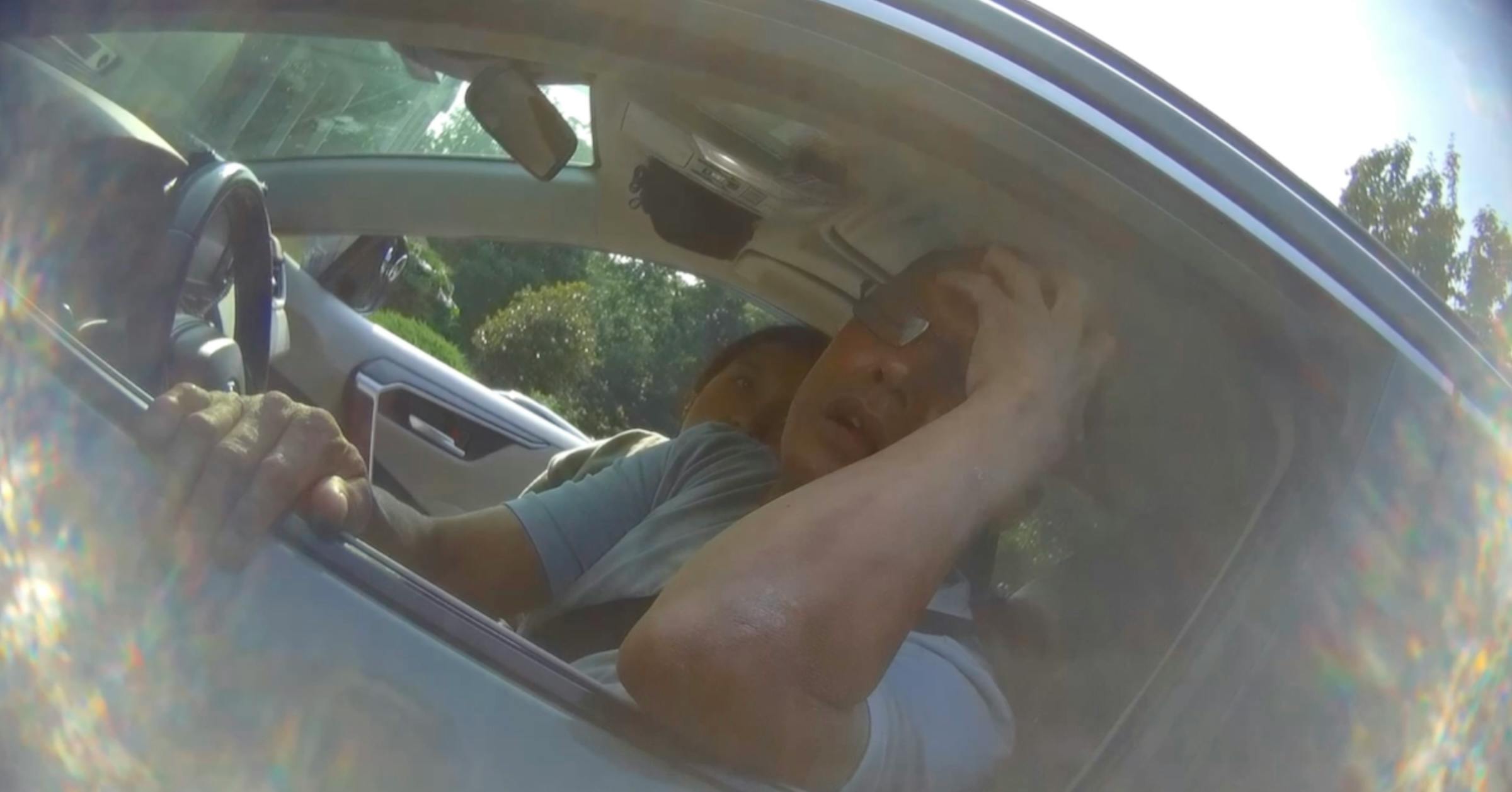
A quiet residential street in Harrisburg, Pennsylvania, plays host to a daily routine that exemplifies vulnerabilities in state-funded eldercare. Every morning at 6 a.m., Ram Kuma Chhetri drives up to a nearby house, sits in his car for a few minutes without entering, and departs. At 5 p.m., he repeats the exact same sequence. Under Pennsylvania’s Medicaid program, however, those brief drive-by visits translate into an official record of 11 hours of daily care provided to an elderly relative, generating approximately $82,000 annually in government payments.
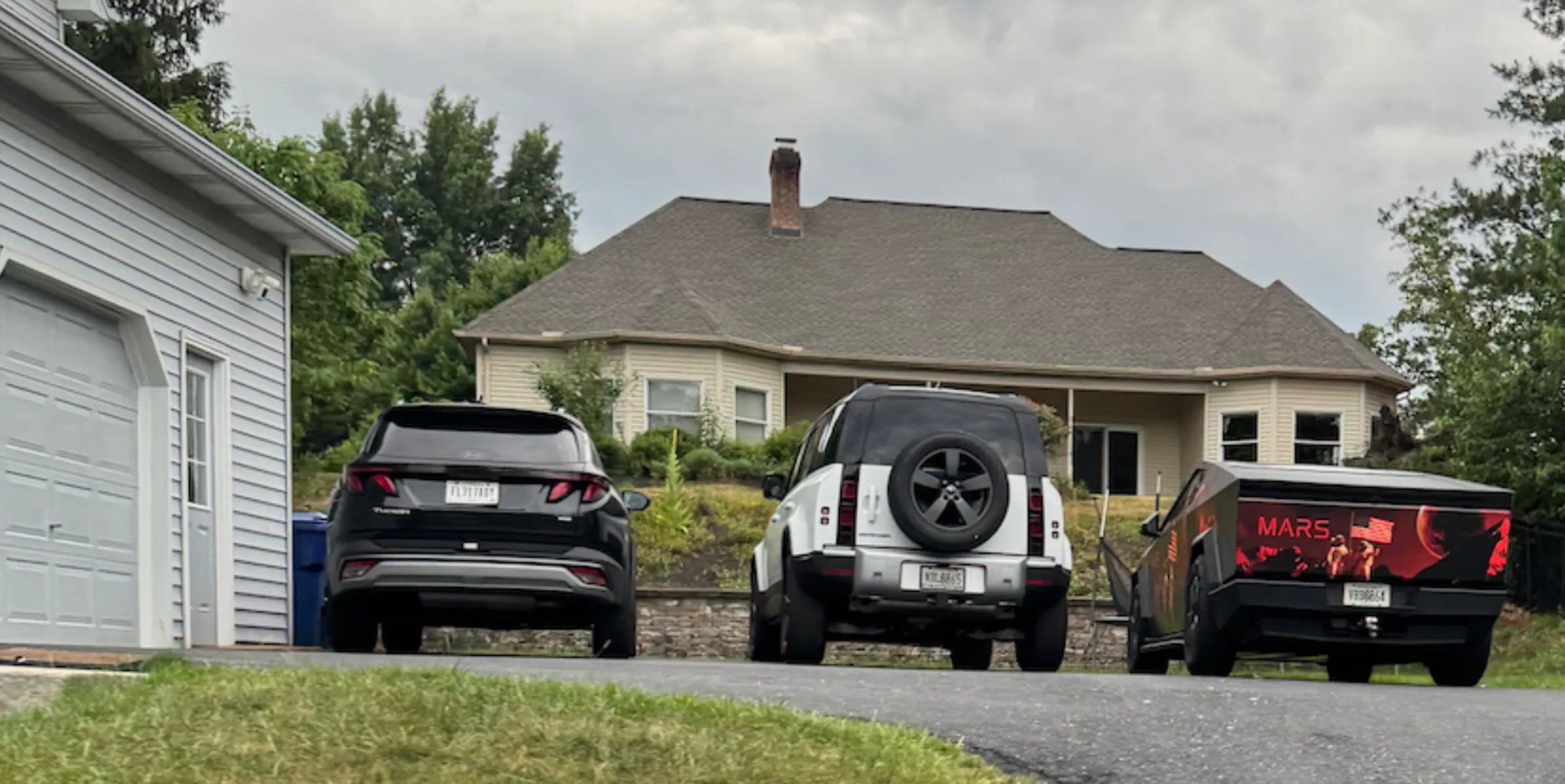
Pennsylvania allows elderly residents to direct Medicaid funds to family members or acquaintances for everyday in-home tasks such as cooking and cleaning. Because the program relies primarily on a smartphone application using GPS verification to log hours, aides can log shifts simply by being present at a client’s location. Investigators observing Chhetri documented months where his vehicle remained parked outside his own residence while GPS records logged him on duty across town.
The scale of home care spending in Pennsylvania has surged dramatically, growing from $530 million in 2021 to $850 million three years later. Bureau of Labor Statistics data indicates that roughly two percent of all Pennsylvanians now work as home health aides, placing the state behind only New York, California, and Minnesota in relative employment concentration.
When confronted outside his home, Chhetri offered conflicting explanations, initially suggesting he occasionally left to purchase groceries for his client before his daughter intervened to defend the arrangement. Documentation provided by his employer, Gaunley Home Care, further revealed overlapping schedules. Electronic Visit Verification records showed Chhetri simultaneously billing for another client across town, a 45-year-old woman named Suk Tamang, during hours when he was documented elsewhere. Investigators noted that such dual-billing schemes often rely on secondary devices left at a client’s home so third parties can log shifts remotely.

Gaunley Home Care, which Medicaid records show pulls in roughly $150,000 monthly across 25 clients, operated with internal staffing ties to the very individuals drawing payments. Company records and public filings connected agency personnel to local real estate and welfare fraud histories. Biras Adhikari, the owner of Gaunley Home Care, acknowledged systemic vulnerabilities within the sector, noting that between 80% and 85% of his agency’s business involves family members caring for relatives. Adhikari resigned from his position shortly after inquiries began, stating that current verification methods leave agencies heavily reliant on client self-reporting.
Efforts to tighten oversight face significant legislative hurdles. While some lawmakers have proposed enhanced tracking measures, such provisions are frequently stripped during bipartisan negotiations following pushback over privacy concerns. Industry stakeholders have suggested that eliminating family-member caregiving entirely or mandating randomly assigned independent aides could curb abuses, though monitors warn that policing in-home care remains an inherently difficult challenge for state regulators.