Oil Prices Climb Despite Rebounding Middle East Crude Flows and Strait of Hormuz Tanker Attacks

Crude oil prices have continued to trend upward even as reports indicate recovering oil flows through the Persian Gulf and the Red Sea. The persistent climb in futures suggests that raw barrel volume figures alone are failing to reassure global markets that energy security has returned to normal.
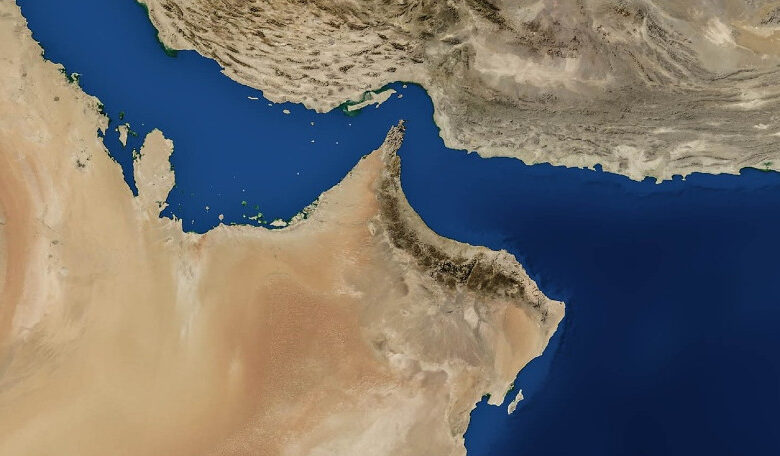
Data from tracking firm Kpler indicates that total October oil exports out of the Middle East have surpassed pre-war levels recorded before the United States and Israel launched their initial strikes on Iran at the end of February. Flows specifically out of the Strait of Hormuz averaged 11.7 million barrels daily this month, up from 9.8 million barrels daily in September and approaching the pre-war average of 14.5 million barrels daily in February.
However, these recovery figures represent the outcome of extensive operational effort, heightened financial expenditure, and elevated risk, running parallel to an intensification of Iranian strikes on tankers in the region. Data compiled from the UK Maritime Trade Operations and statements from Iran’s Islamic Revolutionary Guard Corps show at least 25 ships were hit in the Strait of Hormuz during the first 20 days of October. Tracking outlets note that many attacked vessels do not report strikes, suggesting the actual total could range between 40 and 50 ships, the majority of which are tankers.
This security pressure has created severe fluctuations in shipping volume. Kpler reported a sharp drop in tanker traffic through the Strait of Hormuz earlier in the month, with crude crossing the passage falling 27% from a wartime high to at least 10.1 million barrels per day. The firm counted just seven commodity carriers traversing the strait on October 6, marking the lowest figure since late July. Subsequent tracking figures indicated daily average oil flows out of the Persian Gulf shrinking further to 8.5 million barrels.
The volatile flow data and continuous reports of vessel attacks have strained market confidence. Much of the crude successfully leaving the Persian Gulf is moving via ship-to-ship transfers, driving freight rates to record highs. The resulting shortage of operational oil carriers prompted consideration from President Trump regarding potential sanctions relief on specific tankers normally used to transport Russian oil, aimed at alleviating carrier shortages stemming from expanded ship-to-ship operations off the coast of Oman.
Industry analysts caution that such measures would offer limited relief. Rahul Kapoor, global head of shipping analytics and research for S&P Global Energy, noted that sanctions relief does not immediately translate into usable mainstream tanker capacity because shadow fleet vessels remain occupied transporting sanctioned oil, and the number of ships capable of migrating back to mainstream trading would be materially smaller than the overall sanctioned fleet.
While futures markets respond to geopolitical risk and supply friction, physical market dynamics show divergent trends. reported that physical crude prices have declined due to rebounding Hormuz outflows and a slight dip in tanker freight rates.
Market participants emphasize that structural vulnerabilities remain. A senior commodity analyst at Marex, Ryan Fitzmaurice, noted that headline risk persists alongside low global oil stocks, which remain difficult to rebuild under current conditions. While market observers monitor weather forecasts for potential El Niño impacts that could reduce winter heating demand and ease pricing pressure, analysts suggest prices are likely to remain elevated through the end of the year as the global energy sector absorbs the high costs of regional workarounds.