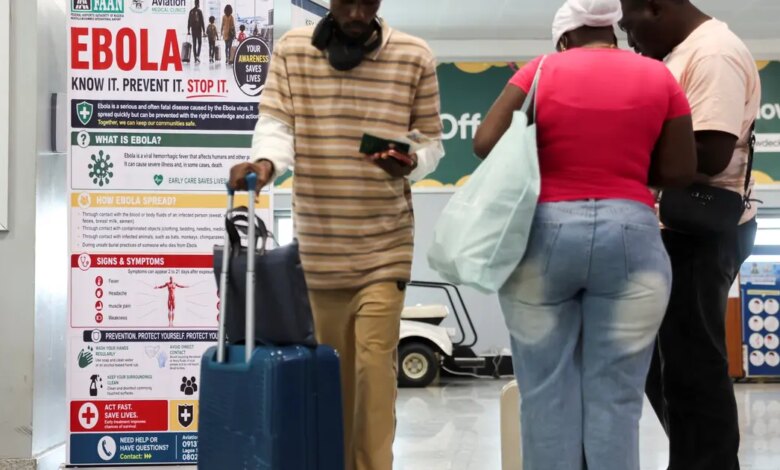
The Ebola outbreak that began in the Democratic Republic of Congo is rapidly transforming into a continent-wide crisis, according to warnings from Africa’s top public health official. After authorities initially underestimated the speed and reach of the virus, cases are now surfacing in new regions, including West Africa’s most populous nation, Nigeria.
The current outbreak involves the Bundibugyo strain of Ebola, which was first detected in the DR Congo in May. Since then, more than 4,600 people have died. Public health experts have raised concerns that the virus may have been circulating undetected for several weeks before it was officially identified. The geographic spread of this particular outbreak is now more extensive than any previous Ebola crisis on the continent, with confirmed cases spanning central, eastern, and western Africa.
Jean Kaseya, the director-general of the Africa Centres for Disease Control and Prevention (Africa CDC), indicated that earlier assessments regarding the containment of the virus were overly optimistic. Officials had initially believed the outbreak would be easier to manage and less likely to jump to distant regions. Kaseya stated that the current reality has proven those expectations wrong, noting that the agency is beginning to see every region of Africa affected.
The confirmation of the first Bundibugyo strain case in Nigeria has particularly alarmed health officials. Nigeria was notably absent from the Africa CDC’s initial list of 15 countries identified as being at high risk for the virus. The situation is complicated by the fact that there is currently no proven vaccine for the Bundibugyo strain, unlike other forms of the virus that have been targeted by recent medical advancements.
The regional impact is already being felt across East Africa as well. Kenya has reported nine cases, while Uganda—which recorded 20 cases earlier this year—was officially declared free of Ebola in August. Despite these local successes, the broader trajectory of the virus is forcing a major reorganization of how African governments approach pandemic response.
In an effort to coordinate a more effective defense, health, finance, and transport ministers from across the continent are scheduled to meet next week. The meeting, which will also include various regional organizations, is intended to facilitate discussions on both national and cross-border safety measures. Kaseya expects to present a comprehensive response plan that will divide specific responsibilities among regional partners and international organizations.
This plan will serve as the foundation for an upcoming summit of African leaders, where the primary objective will be securing necessary funding commitments. Beyond financial logistics, the Africa CDC is emphasizing the need for regional solidarity rather than isolationism.
One of the key policy recommendations from the Africa CDC is to keep national borders open. Kaseya warned that closing borders to contain the virus has historically proven ineffective. He explained that when official checkpoints are closed, people often resort to using informal and unofficial routes to travel. This makes it significantly harder for health authorities to track potential cases and monitor the movement of the virus across the continent. Instead of closures, the agency is calling for enhanced surveillance and cooperation between neighboring states to manage the growing crisis.