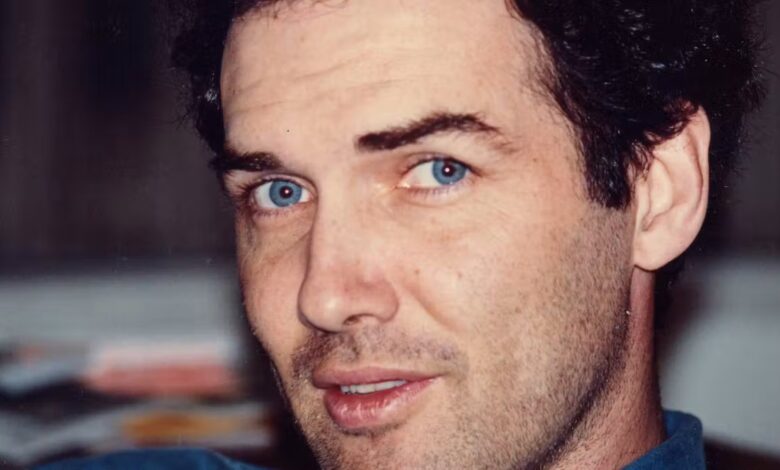
A new Netflix documentary, “Norm: The Tale of Norm Macdonald,” offers a comprehensive look at the life and philosophy of the late comedian, serving as both a career retrospective and a personal guide to his singular worldview. Directed by Judd Apatow, a close friend of the comedian, the film utilizes a mix of talk show clips, “Saturday Night Live” sketches, and segments from Macdonald’s self-narrated memoir to construct a portrait of a man who remained an enigma even at the height of his fame.
Narrated largely by Macdonald himself, the documentary highlights the sharp-tongued, deadpan humor that defined his career while delving into the more sentimental and serious aspects of his character. The film suggests that Macdonald’s work was often underpinned by a desire to convey deeper truths about living a good life, despite his own self-description as a “shabby guy telling shabby jokes.” This humility was a cornerstone of his persona; he famously advised younger comedians to “play the dumb guy,” under the belief that audiences are more receptive to those who do not project intellectual superiority.
Macdonald’s career was famously marked by his refusal to compromise, most notably during his tenure as the anchor of “Weekend Update” on “Saturday Night Live” in the 1990s. The documentary revisits his relentless coverage of the O.J. Simpson trial, which eventually led to his dismissal from the show. Following Simpson’s acquittal, Macdonald announced to a national audience, “Well, it is finally official: Murder is legal in the state of California.” This uncompromising stance reportedly drew the ire of then-NBC executive Don Ohlmeyer, a friend of Simpson, who not only fired Macdonald but also refused to promote his subsequent film, “Dirty Work,” on the network. Fellow writer and friend Conan O’Brien noted in the film that Macdonald paid a significant professional price for his refusal to pander or soften his delivery.
Beyond the political and professional controversies, the documentary explores Macdonald’s private battles with health. In his early 20s, while performing on the Canadian comedy circuit, he was diagnosed with stomach cancer. He kept the diagnosis hidden from his peers, a pattern he repeated at the end of his life during his years-long battle with leukemia. Macdonald’s perspective on mortality was distinct; he once observed that while many people live in denial of death, he did not, expressing a sense of peace with his own mortality that he felt was rare in modern culture.
Religion and tradition also played significant roles in Macdonald’s life, though the documentary notes these were often subtle. A self-described “old soul,” Macdonald was a vocal Christian in an industry where such declarations are often unpopular. In interviews with figures like Larry King and in public statements, he defended his faith and lamented the modern tendency to mock the Bible, arguing that such humor lacked genuine courage. His intellectual interests were similarly traditional, as he held a deep reverence for Russian literature and established comedy legends like Johnny Carson.
Macdonald’s influence on the lexicon is also addressed, with the film featuring a clip of him claiming to have coined the term “fake news” long before it became a staple of modern political discourse. This obsession with truth, even when it manifested as a joke, is presented as the defining feature of his work. His reflections on his own flaws, including a well-documented gambling addiction, further illustrate his philosophical depth. “As long as the dice are in the air,” Macdonald said of his habit, “the gambler has hope, and hope is a wonderful thing to be addicted to.”
By weaving together his public performances and private reflections, “The Tale of Norm Macdonald” captures the essence of a comedian who remained committed to his convictions regardless of the consequences. The film portrays Macdonald not just as a wit, but as a man whose commitment to sincerity and the search for universal truths allowed him to maintain relevance in a rapidly changing cultural landscape.