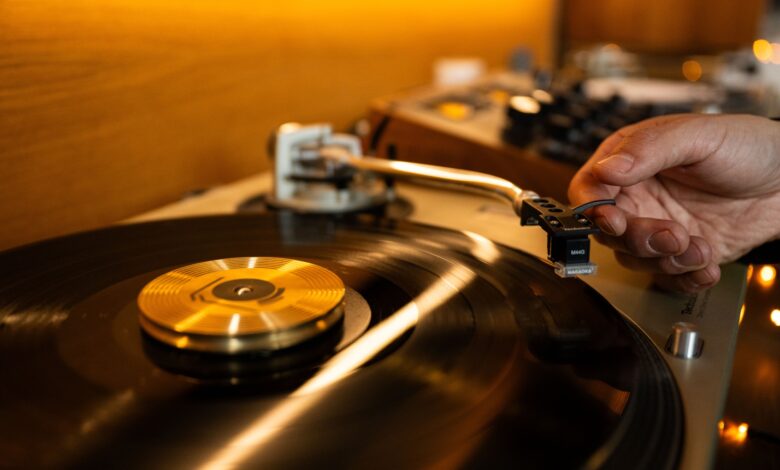
In an era defined by the frantic pace of digital streaming and low-friction convenience, a quiet revolution is taking hold in the global nightlife scene. From the dimly lit corners of Seattle to the historic districts of Tokyo, high-fidelity listening bars are emerging as sanctuaries for those seeking a deeper connection to music. These venues, often characterized by their unmarked doors and uncompromising audio standards, prioritize the act of listening over the typical social clamor of a traditional lounge.
At Shibuya HiFi in Seattle, the atmosphere is deliberately pensive. Opened in 2023, the venue serves as a modern homage to the Japanese jazz kissa—cafés that proliferated in post-war Japan where patrons gathered to hear rare vinyl on premium equipment. The connection is personal for the owners: principal owner Brian Rauschenbach’s parents actually met in such a place nearly 60 years ago. Today, Shibuya sets a rigorous standard for the local scene, hosting “deep listening sessions” where the outside world is systematically shut out.
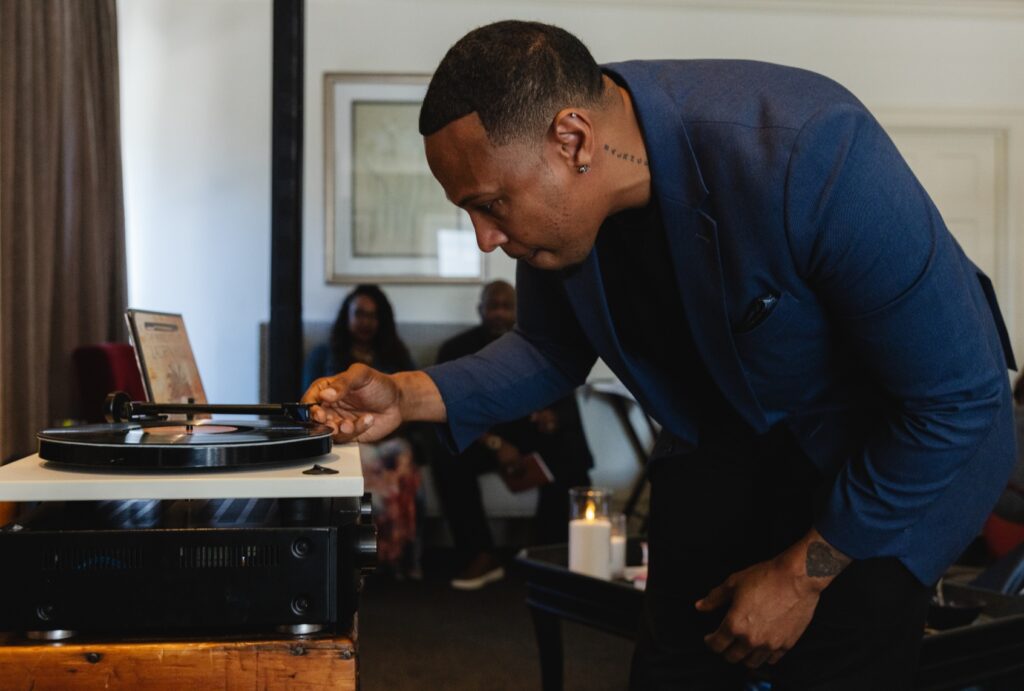
On a recent Wednesday, the lounge was nearly silent as guests prepared for a preview of Michael Kiwanuka’s fifth album, “Fudge,” a week ahead of its October 23 release. The protocol at such events is strict: once the doors to the listening room open, shoes, drinks, and distractions are left behind. General manager Jerry Stotler describes the environment as “pristine,” a space where the focus is entirely on the needle dropping onto the groove.
The hardware at the center of this movement is as much a part of the experience as the music itself. Interior designer and co-owner Quentin Ertel curated the Seattle space with cedar-lined walls and Louis Poulsen chandeliers. The sound is delivered via a pair of ATC SCM50 loudspeakers and a crowning set of 1976 Klipschorns. This obsession with high-fidelity components is a physical manifestation of what Ertel calls a “renaissance of meaning,” driven by a collective exhaustion with the fragmented nature of digital life.
This trend is backed by a massive resurgence in the vinyl market. According to data from the Recording Industry Association of America (RIAA), the revival began in earnest around 2008. By 2020, vinyl revenue reached $596.2 million, overtaking CDs for the first time since 1986. That growth has only accelerated; by March 2025, the RIAA reported that U.S. vinyl purchases had climbed to a staggering $1.04 billion. For many younger audiophiles, the tangible nature of the medium—from the cover art to the ritual of the turntable—offers a “wholeness” that digital files lack.
The phenomenon is no longer limited to fixed locations. Joshua Fields, a Seattle DJ, launched a monthly series called “The Listening Room” after being inspired by a session at Shibuya. His mobile events, which have traveled to Portland, involve phone-free sessions that include quiet journaling and post-album discussions. While his model is slightly more relaxed, incorporating signature cocktails and even food, the core requirement remains: once the music starts, talking and singing are forbidden until the final track fades.
The scale of this movement is truly global. Research from Tracks & Tales, a project founded by writer Rafi Mercer, has identified listening bars, hi-fi cafés, and sound-focused venues in 171 countries and across 6,465 cities. Mercer notes that the appeal of these rooms is not simply the volume, but the “presence” the sound creates. In a well-kept listening environment, the air seems to thicken, and the room feels as though it is steadying itself around the notes.
Ultimately, the rise of these venues suggests a growing desire for communal experiences that require total presence. While an individual can recreate a high-fidelity setup at home, there is a distinct value in sitting alongside strangers in a shared state of focus. As Fields suggests, music is the medium being used to solve a modern lack of human connection. In these spaces, the goal is not merely to hear a song, but to allow the soundwaves to become a full-bodied, meditative journey.