A comprehensive new analysis of New York state audits has exposed systemic oversight vulnerabilities that left billions of dollars in public funds exposed to waste, abuse, and potential fraud. The report, compiled by the State Financial Officers Foundation and OpenTheBooks.com, examined findings issued by the New York State Comptroller’s Office between 2018 and mid-2026. The review covers multiple state sectors, including Medicaid administration, unemployment insurance, affordable housing programs, and local municipal finances.
Among the largest fiscal exposures identified in the review involves New York’s Medicaid personal-care services. State records show New York disbursed approximately $31.5 billion for these services between January 2021 and March 2023. However, the audits revealed that $14.5 billion of that total—roughly 46%—lacked matching electronic records required to verify when services actually occurred or how long providers spent with recipients. A 2024 audit conducted by the Comptroller’s Office discovered that while the state possessed a technological system capable of blocking payments lacking required Electronic Visit Verification records, the protective feature was left inactive.
State auditors also flagged $21.3 million in potentially improper Medicaid disbursements, which included billings submitted while patients were hospitalized or visits lasting for durations too brief to meet statutory reimbursement criteria. New York State Comptroller Thomas DiNapoli addressed the deficiencies in the 2024 audit, noting a concerning absence of administrative oversight and noncompliance with mandatory verification standards. DiNapoli emphasized that the state Department of Health must improve its protocols to protect the financial integrity of these safety-net services.
In response to the findings, the New York State Department of Health disputed aspects of the audit conclusions, pointing to methodological differences in how electronic records were compiled and gathered. Auditors additionally noted that missing documentation does not definitively establish that fraud occurred or that home-care services were never delivered to patients.
The review further identified nearly $1.2 billion in Medicaid managed-care premiums distributed on behalf of recipients who may no longer have resided within New York State, highlighting persistent vulnerabilities in eligibility verification procedures.
Beyond healthcare spending, the analysis examined unemployment insurance disbursements during the COVID-19 pandemic, estimating that New York issued roughly $11 billion in improper unemployment payments. During the 2020–21 fiscal year alone, the state disbursed $76.3 billion in benefits. Auditors noted that this $11 billion figure represents a statistical extrapolation of fraud rates rather than a total of confirmed fraudulent claims, and cautioned that actual losses could be higher due to heightened risks associated with rapid pandemic-era distribution programs. State records indicate that New York’s unemployment processing infrastructure had been flagged as obsolete as early as 2010, with subsequent warnings issued in 2015, though the system was never modernized prior to the public health emergency.
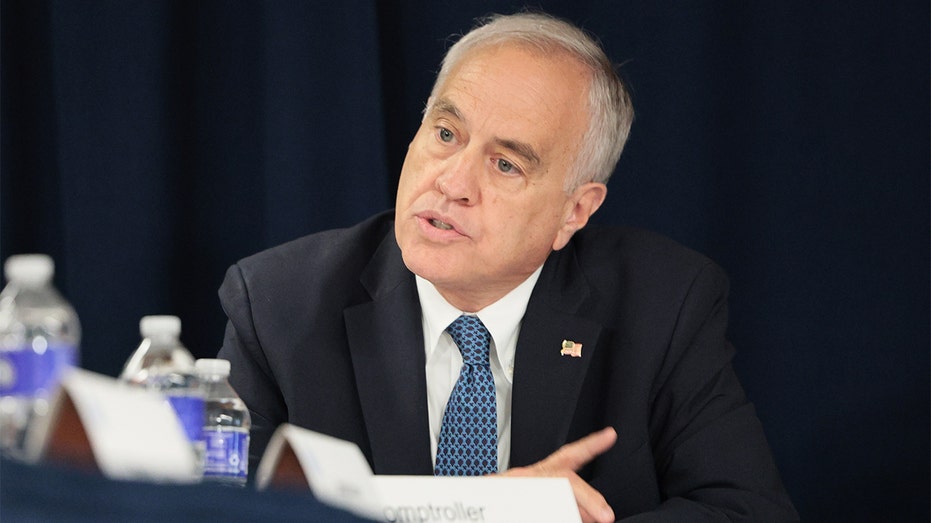
DiNapoli’s office issued a statement emphasizing its ongoing efforts to reinforce internal controls through rigorous audits and to collaborate with state and federal law enforcement agencies to investigate fraud and hold accountable individuals who misappropriate public funds.
Oversight gaps extended to local entities and municipal programs as well. Investigators uncovered local embezzlement cases, including a treasurer at the Hannibal Fire Company in Oswego County who misappropriated more than $850,000 over an eight-year span. In another local case, a Town of Marion court clerk stole nearly $60,000 in municipal fines and court fees before entering a guilty plea and receiving a court order for financial restitution.
Within municipal housing initiatives, audits of New York City’s Mitchell-Lama affordable-housing portfolio revealed that apartment vacancy rates frequently exceeded established municipal limits. This oversight lapse resulted in more than $9寧 million in unrealized rental revenue, with subsequent follow-up inspections showing that required administrative corrective actions remained unfulfilled.
The report’s authors cautioned that the individual financial figures cannot be aggregated into a single total taxpayer loss, as the data set combines confirmed criminal theft, potentially improper payments, missing administrative documentation, and statistical estimates. Representatives for New York Governor Kathy Hochul and the state Department of Health were contacted for comment regarding the findings.