Netanyahu’s Political Future Hangs in Balance as Israeli Election Ends Without Clear Majority Bloc

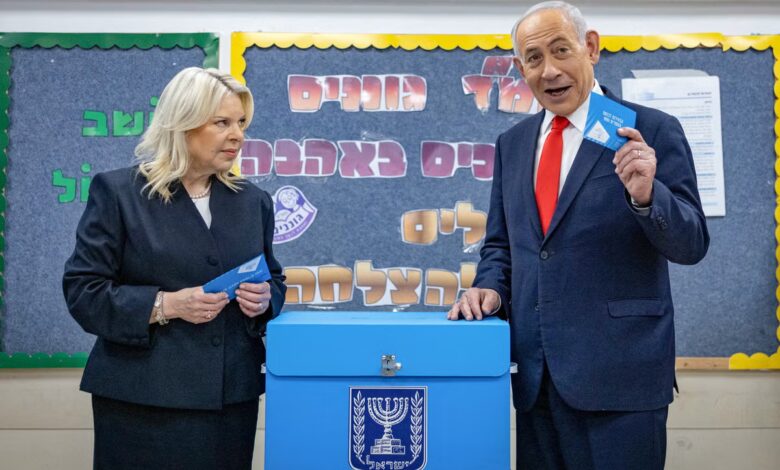
Benjamin Netanyahu’s political future hung in the balance on Tuesday as exit polls from Israel’s historic general election indicated that his governing coalition would fall short of securing a parliamentary majority. The high-stakes vote marked the first national election since the October 7, 2023, attacks by Hamas, drawing a record voter turnout of over 74 percent as citizens passed judgment on Netanyahu’s handling of ongoing conflicts in Gaza and Iran.
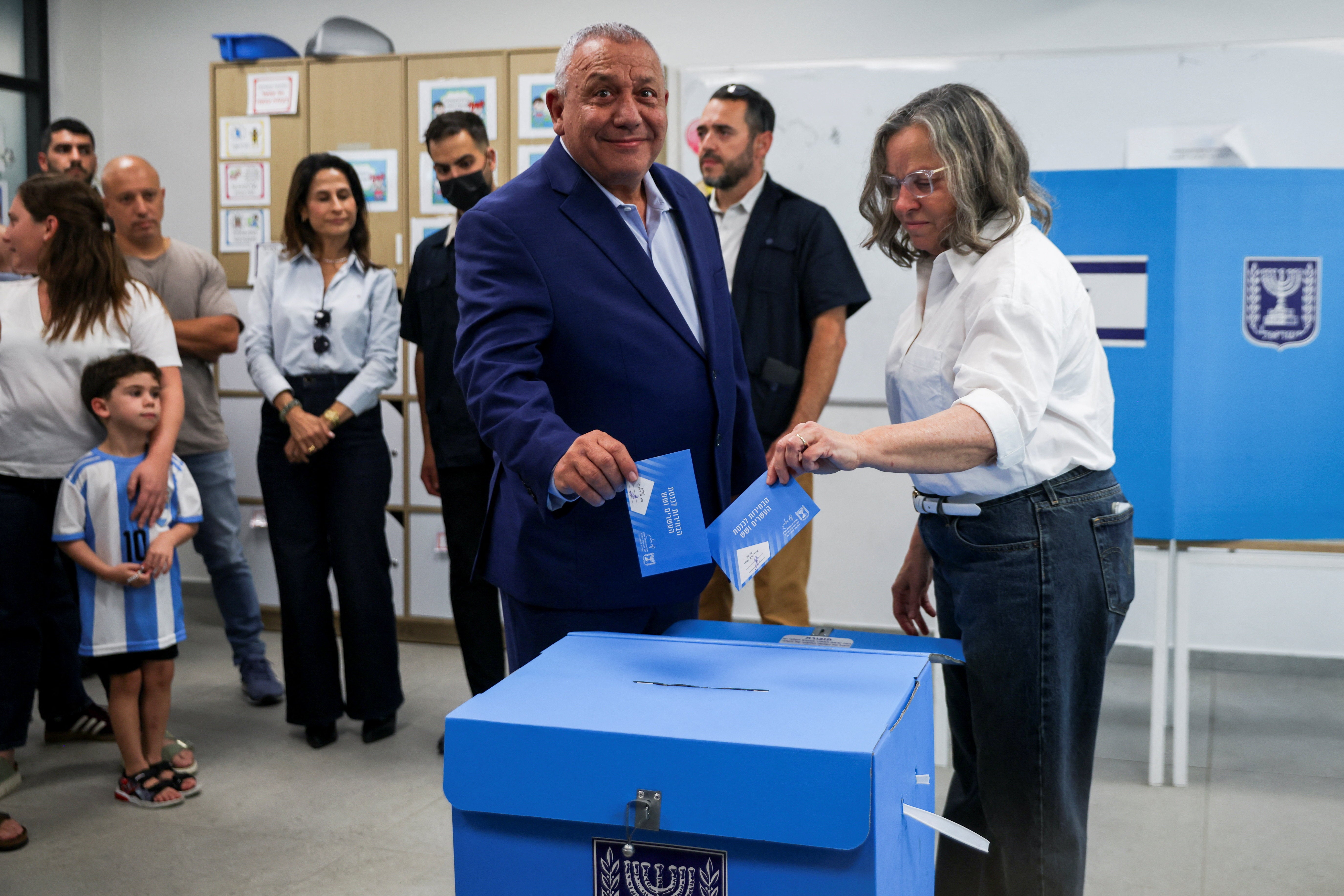
Exit polls published by Israeli broadcasters suggested that an opposition bloc led by Gadi Eisenkot, head of the Yashar party, would secure the largest number of seats in the 120-seat Knesset. Channel 12 predicted that Netanyahu’s Likud party would capture 24 seats, trailing slightly behind Eisenkot’s Yashar party with 22 seats. However, the broader bloc led by Eisenkot was forecast to receive 52 seats, putting them two seats ahead of Netanyahu’s ruling coalition.
While official results remained unannounced, the projected stalemate threatened to plunge Israel into an extended period of political uncertainty. If neither leader manages to assemble a workable governing coalition, the country could face the prospect of a new election. At the same time, the deadlock could work to Netanyahu’s advantage, enabling the 77-year-old incumbent—who has served 19 years at the helm of government—to remain in power in a caretaker capacity while rival factions attempt negotiations.
Prior to the vote, prediction market Polymarket showed centrist challenger Eisenkot backed by 60 percent of users to become the next prime minister, compared to just 27 percent for Netanyahu. As voting progressed, Netanyahu issued an urgent social media appeal to his base, warning of an emergency hour and citing higher-than-usual turnout in left-wing strongholds.
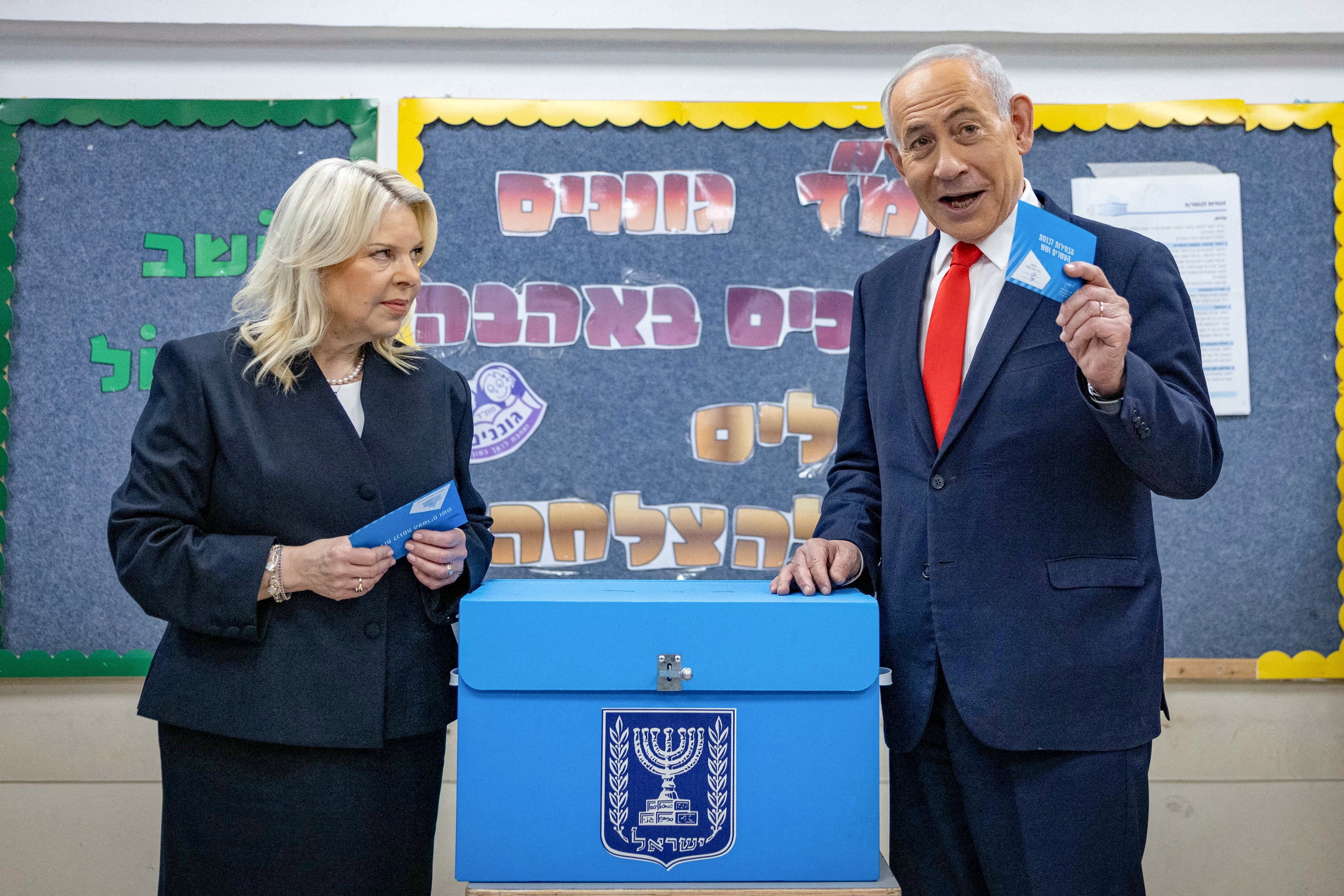
Turnout reached 74.3 percent by 8 p.m., marking the highest participation rate at that hour since 1988. Eisenkot countered by appealing to widespread dissatisfaction with the incumbent, asserting that voting for his party was the definitive path to political change.
As balloting unfolded, the electoral process encountered logistical and security friction. Eisenkot’s Yashar party filed a formal complaint with the Central Elections Committee, alleging a systematic effort to disrupt voting and undermine election integrity. The party reported numerous instances where ballot slips marked with their ‘Derech’ symbol had vanished, sustained damage, or been turned over inside polling booths across the country. Additional reports indicated that ballots for the right-wing Haredi Public party were removed from polling stations in Bnei Brak, Modi’in Illit, and Jerusalem, prompting voters to request replacements from election officials.
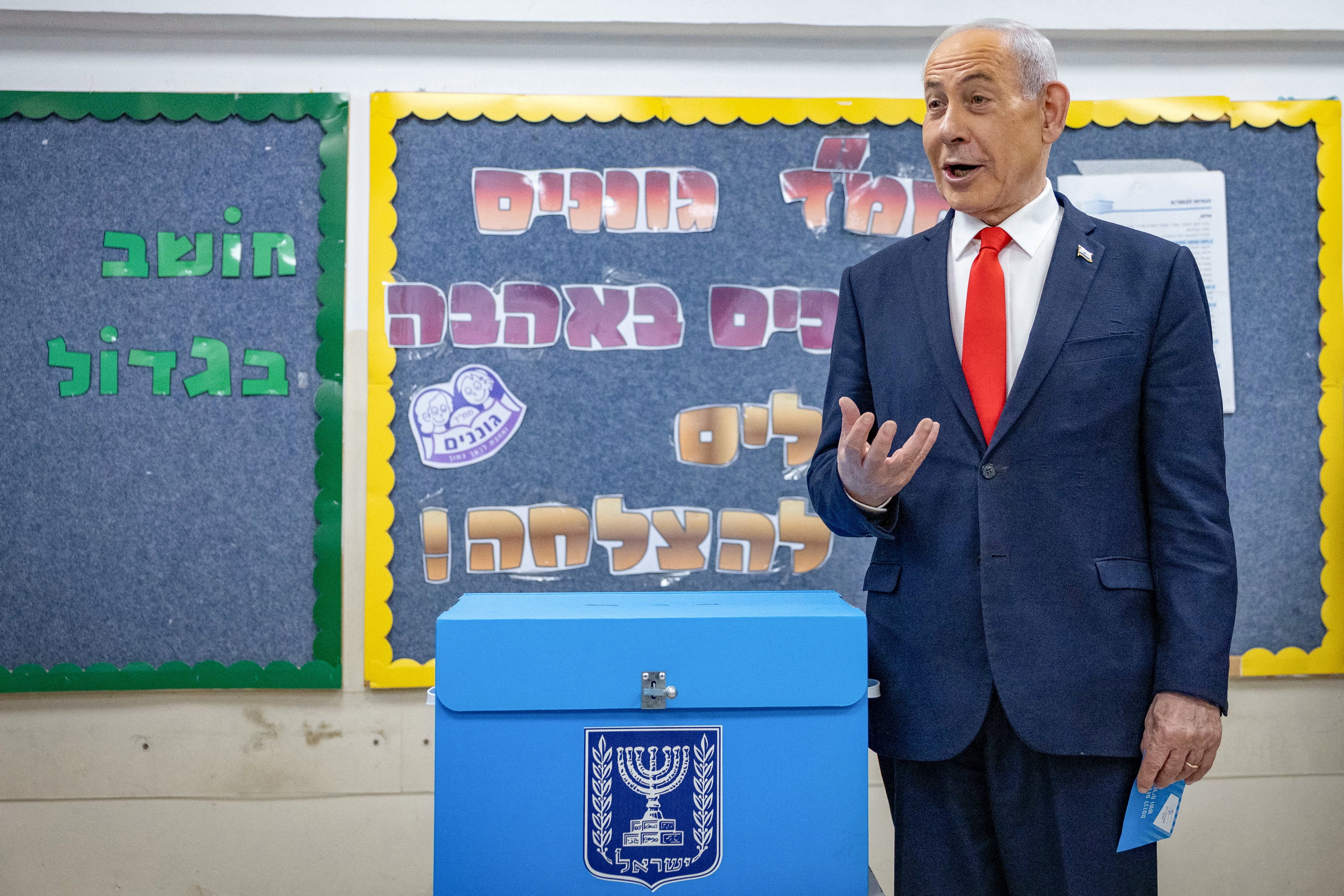
Despite these reports, David Zini, director of the domestic security agency Shin Bet, maintained that election day proceeded smoothly. He noted that while challenges existed from actors attempting to undermine the system, Israeli elections remained secure and properly conducted.
Separately, security personnel detained a man near Railway Park in Tel Aviv after an incident involving centre-left Democrats party leader Yair Golan. According to the party, the suspect approached Golan in an intimidating manner while he was campaigning, causing a large knife to fall from his clothing. Security guards tackled the man and handed him over to police. Police sources later told Channel 12 that preliminary indications suggested the homeless suspect did not actively attempt to harm Golan, who subsequently vowed that political violence would not deter his campaign.
International figures also weighed in on the vote. Former U.S. President Donald Trump reiterated his complete support for Netanyahu, praising his leadership and warning that if Israel chose a different leader, the United States might be forced to intervene directly in unresolved conflicts with Iran.
With polls closing at 10 p.m. local time, final results could take days or weeks to materialize as party leaders begin the complex process of coalition building.