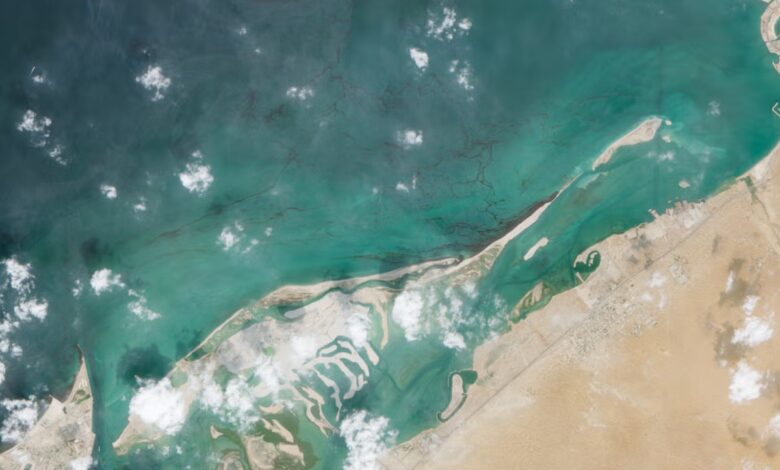
Authorities in the United Arab Emirates have ordered the closure of multiple beaches across the country’s northern emirates as satellite imagery reveals a massive oil spill spreading from a damaged tanker. The slick, visible in high-resolution images, has begun to encroach on sensitive coastal areas, sparking significant environmental concerns and disrupting local tourism and recreation.
Data provided by the European Union’s Copernicus Sentinel-2 satellites show dark layers of oil widening over several days. The spill has moved increasingly close to the shores of the Umm Al Quwain emirate, prompting an immediate response from federal and local officials. While the government has not officially named the vessel involved or confirmed the exact cause of the leak, maritime experts and shipping sources have identified the likely source as the Gem No. 2.
The Gem No. 2 was reportedly struck by an unidentified projectile in September. Though a fire that broke out following that attack was successfully extinguished, the vessel appears to have remained a persistent source of leakage. Recent satellite captures provide visual evidence of a large discharge trailing from the tanker as it sits off the coast.
The Ministry of Climate Change and Environment announced on Friday that all beaches and coastal zones surrounding Umm Al Quwain city would be temporarily closed to the public. This move was followed by precautionary measures in the neighboring emirate of Sharjah, where authorities restricted access to Al Hamriyah Beach. By Saturday, the closures had extended to Ras Al Khaimah, a region known for its luxury resorts and extensive coastline, where officials declared all beaches closed until further notice.
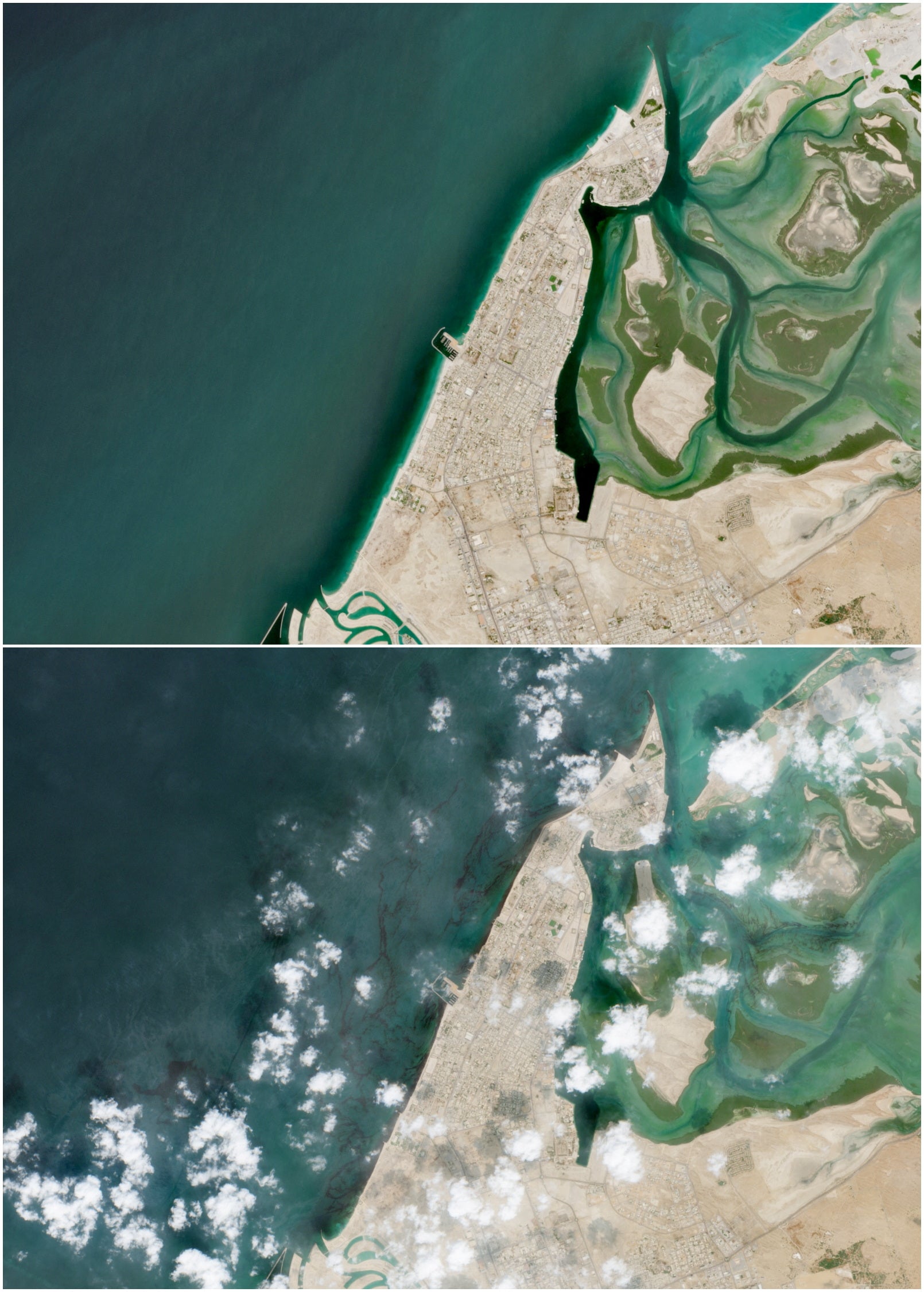
Environmental specialists warn that the incident poses a severe threat to the regional ecosystem. Nidal Hilal, a Professor of Engineering and Director of New York University Abu Dhabi’s Water Research Center, characterized the spill as a serious environmental concern. The waters of the Gulf are home to more than 500 different marine species, including vulnerable populations of dolphins and sea turtles. Hilal noted that the temporary closures are a necessary precaution while experts assess the total volume of the spill and track the movement of the oil slicks toward the shore.
The spill occurs against a backdrop of heightened maritime volatility in the region. Security risks for commercial shipping have escalated significantly, particularly in the Strait of Hormuz and surrounding waterways. Shipping analysts suggest that October has been one of the most difficult months for maritime traffic in these vital oil and gas corridors.
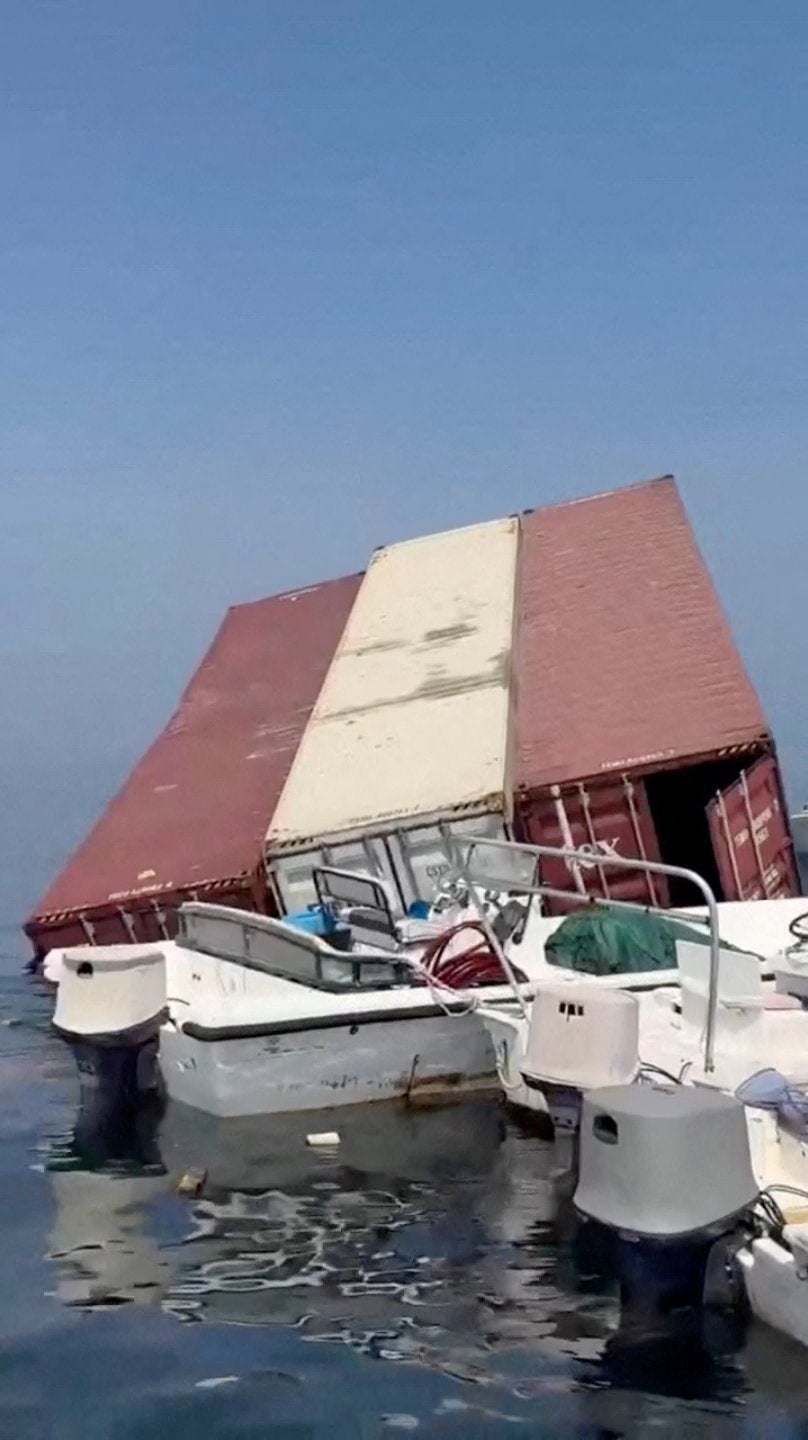
This incident follows the recent loss of another vessel in the same general region. On October 15, the GFS Pride, a container ship with a capacity of 2,824 twenty-foot equivalent units (TEU), sank in the Strait of Hormuz after reportedly striking a naval mine. While that incident resulted in the total loss of the ship, all 21 crew members were safely evacuated without injury, according to the Maritime and Port Authority of Singapore.
Local authorities in the UAE continue to monitor the current spill, utilizing the satellite data to coordinate cleanup efforts and determine when it will be safe to reopen the northern emirates’ popular coastal destinations.