Making a major life decision often involves weighing two compelling yet mutually exclusive options, such as staying rooted in a cherished community or relocating to build a life with a long-distance partner. When an individual finds themselves torn between two positive paths separated by vast geographic distances, the dilemma often sparks intense anxiety and hesitation. Rather than relying solely on a traditional pros-and-cons list, psychologists and philosophers suggest examining the cognitive biases and structural traps that frequently complicate human decision-making.
Human choices are heavily influenced by psychological phenomena like loss aversion, a tendency studied extensively by Nobel Prize winners Daniel Kahneman and Amos Tversky. This bias causes individuals to weigh potential losses much more heavily than equivalent gains, making the prospect of giving up a familiar location or a treasured relationship feel exceptionally painful. This fear of loss often fuels analysis paralysis, a state where anxiety over uncertainty leads people to overthink, over-research, and second-guess their instincts as a way to avoid taking risks.
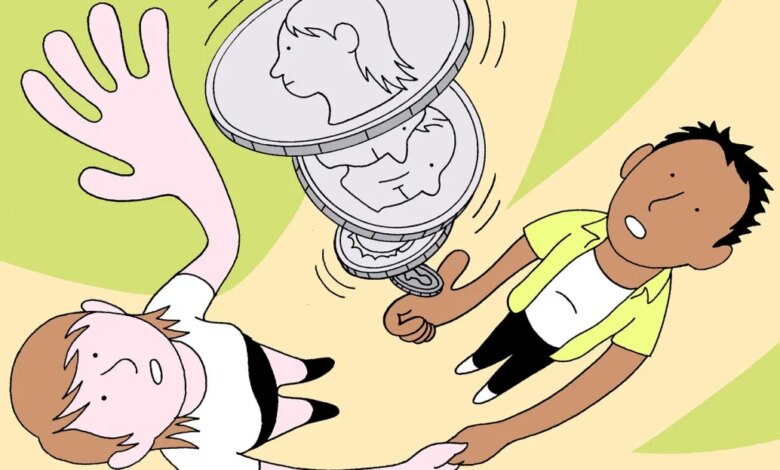
To break free from analysis paralysis, researchers have explored unconventional decision-making tools, including random chance. Studies examining life-changing choices—such as whether to end a relationship or quit a job—found that participants who used a coin flip to determine their path were often happier with the resulting change than those who remained stuck in the status quo. The randomized approach helps individuals overcome the natural human bias toward inaction and default settings.
Another common trap in major decision-making is the creation of a rigid binary, a concept critiqued by 20th-century French philosopher Jacques Derrida through deconstruction. Viewing a dilemma as a strict choice between two opposing outcomes can obscure alternative possibilities. Instead of framing the situation as an absolute choice between a hometown and a partner’s city, individuals can explore creative third or fourth options, such as relocating to a brand-new city together or finding ways to divide time between regions.
Furthermore, remaining passive is itself a choice that carries consequences, as prolonged indecision can introduce resentment or strain a relationship over time. While the perfect outcome may not exist when two valued aspects of life pull in opposite directions, recognizing that choices are rarely permanent can help reduce the pressure of committing to a single path.