In October 2026, as the conflict in Ukraine reaches a critical juncture, defense officials in London and Brussels are confronting a stark strategic choice: move toward an active defense of Ukrainian territory or prepare for a broader confrontation on NATO’s own borders. The shift in rhetoric follows what officials describe as a campaign of “state-sponsored terrorism” by the Kremlin, specifically targeting civilian infrastructure and the nation’s power grid.
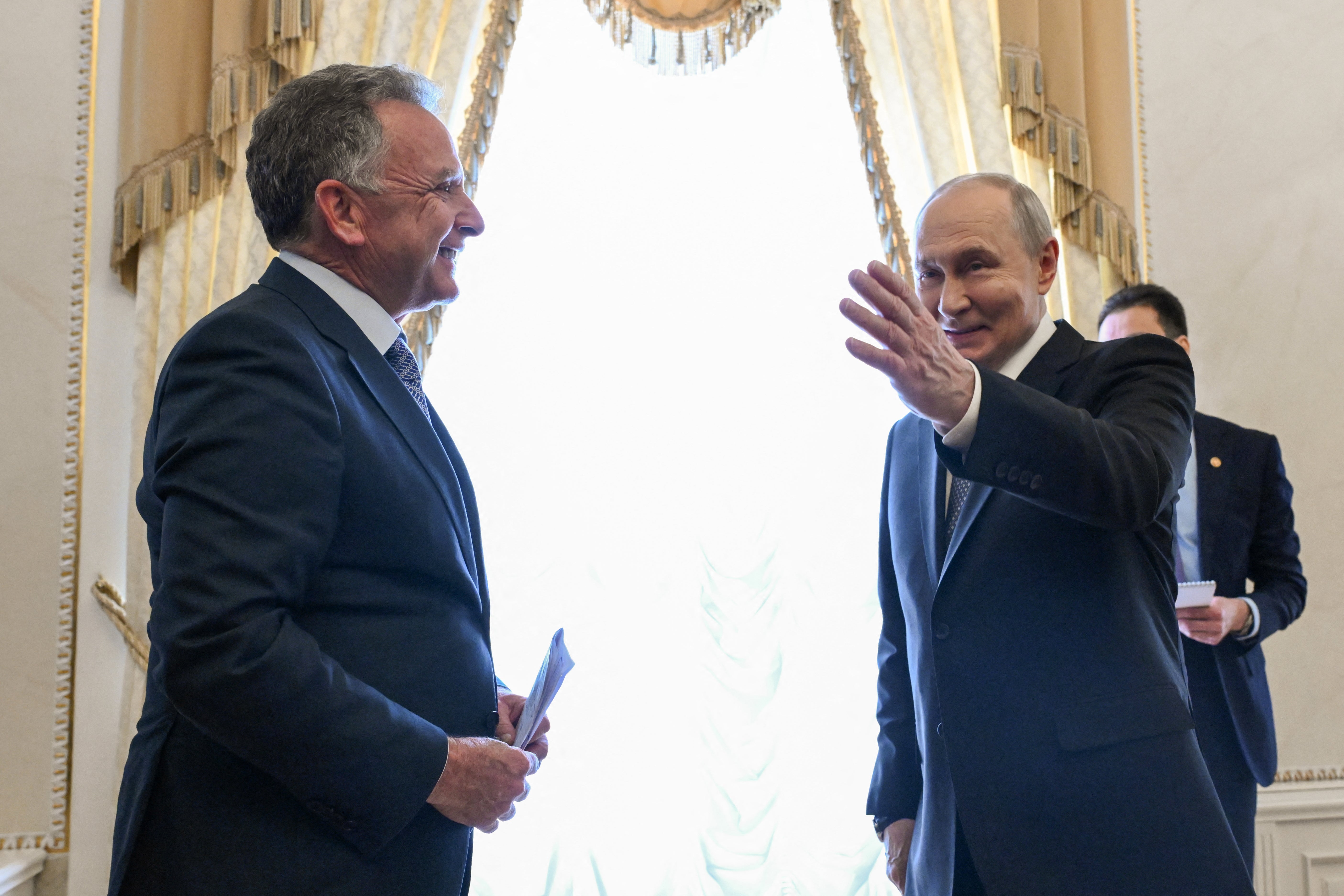
Defense Secretary Wes Streeting addressed the evolving nature of the threat this week, arguing that traditional military terminology no longer suffices. “Terms like hybrid warfare and grey zone threats do not accurately capture or convey to the general public what I prefer to describe as state-sponsored terrorism,” Streeting said. He emphasized that the threat is no longer hypothetical or confined to the battlefield, but is increasingly affecting national resilience across Europe.
The strategic urgency is driven by a new generation of Russian weaponry. Ukrainian forces are currently struggling against jet-powered Geran drones—upgraded versions of the Shahed platform. These munitions are capable of speeds reaching 500 kilometers per hour while carrying 90-kilogram warheads. Often painted black to evade detection and launched in swarms, these drones are specifically designed to exhaust Ukraine’s remaining anti-missile systems and devastate heavy industry, train networks, and data centers.
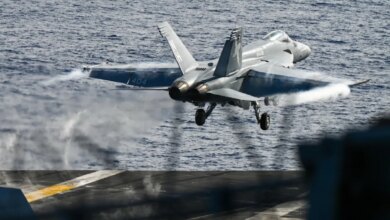
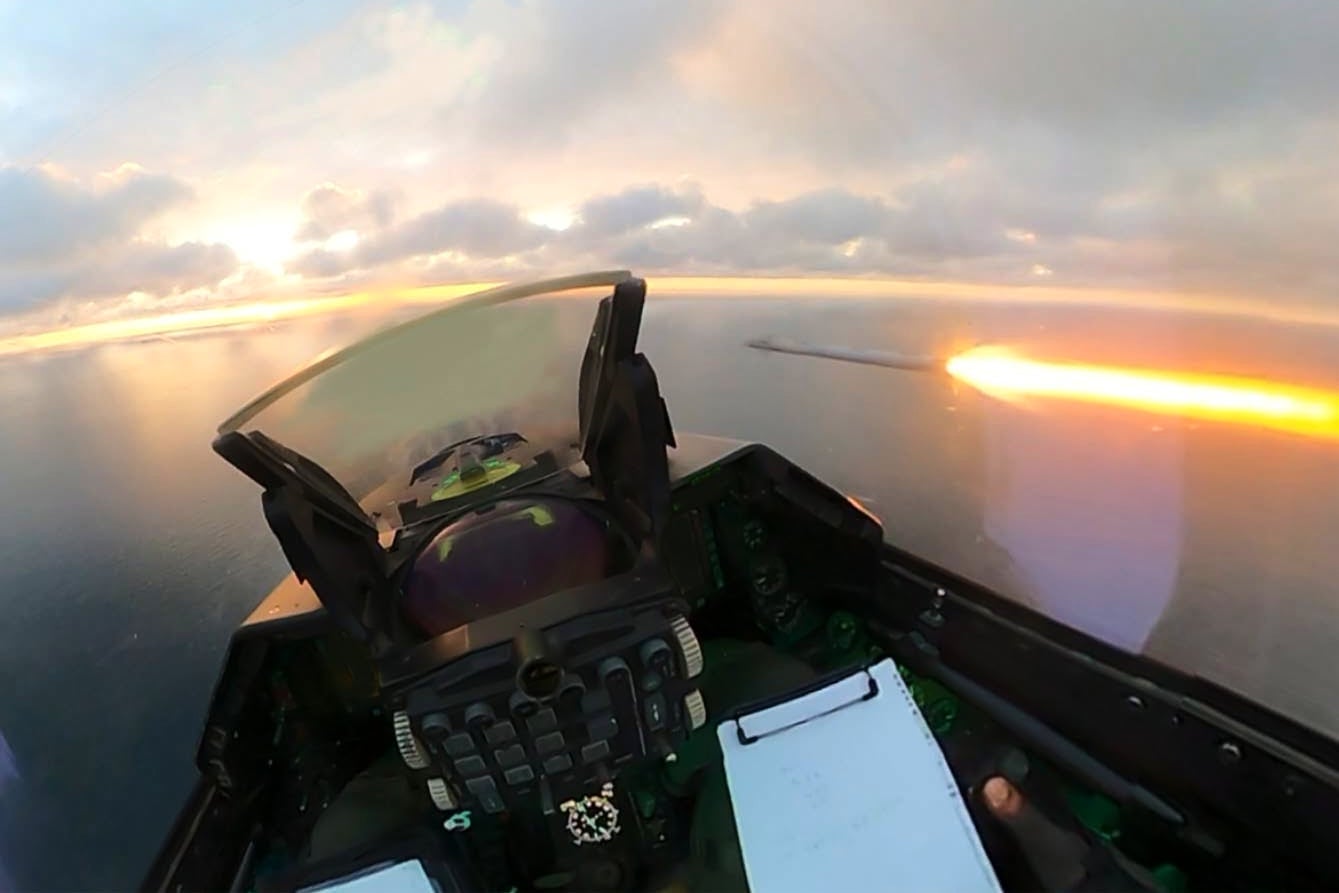
Justin Bronk, an aviation expert at the Royal United Services Institute (RUSI), has proposed a technical solution to bridge the gap in Ukraine’s air defenses. Bronk suggests the deployment of a dedicated multinational NATO squadron of jet training aircraft. These two-seat planes, equipped with a gunner or weapons officer, could theoretically intercept Geran drones without the prohibitive cost of deploying frontline fighters or wasting scarce air-to-air missiles.
Under this proposal, NATO aircraft would be tasked specifically with the defense of Ukrainian civilians and infrastructure. While their mission would be defensive, the squadrons would be legally authorized to protect themselves with high-end support from F-35 and Typhoon fighter jets. This move would represent a significant escalation from current aid models, which some critics argue have devolved into a strategy of simply “fighting to the last Ukrainian.”
The internal debate over active intervention is set against a backdrop of shifting transatlantic alliances. Evidence from the ground indicates that a Trump administration in Washington has actively disrupted weapons systems intended for Kyiv, leaving European powers to shoulder a greater share of the defensive burden. This has led to a re-evaluation of NATO’s conventional capabilities without United States participation.
Statistical assessments of the current balance of power suggest that NATO’s European members alone significantly outmatch Russia in conventional terms. European NATO forces possess nearly twice as many aircraft across all categories and a navy 4.5 times larger than Russia’s, including twice the number of submarines. Furthermore, International Monetary Fund data indicates the economic disparity is even more pronounced; the combined GDP of the European Union and the United Kingdom exceeds $27 trillion, nearly ten times the size of the Russian economy.
However, the Kremlin maintains a massive lead in nuclear deterrents, holding eight times as many warheads as non-U.S. NATO members. This nuclear disparity has long been the primary deterrent against direct Western intervention. Analysts argue, however, that the Kremlin’s current strategy relies on the assumption that Western democracies are too fractured by internal economic pressures and “hybrid” interference to utilize their conventional superiority.
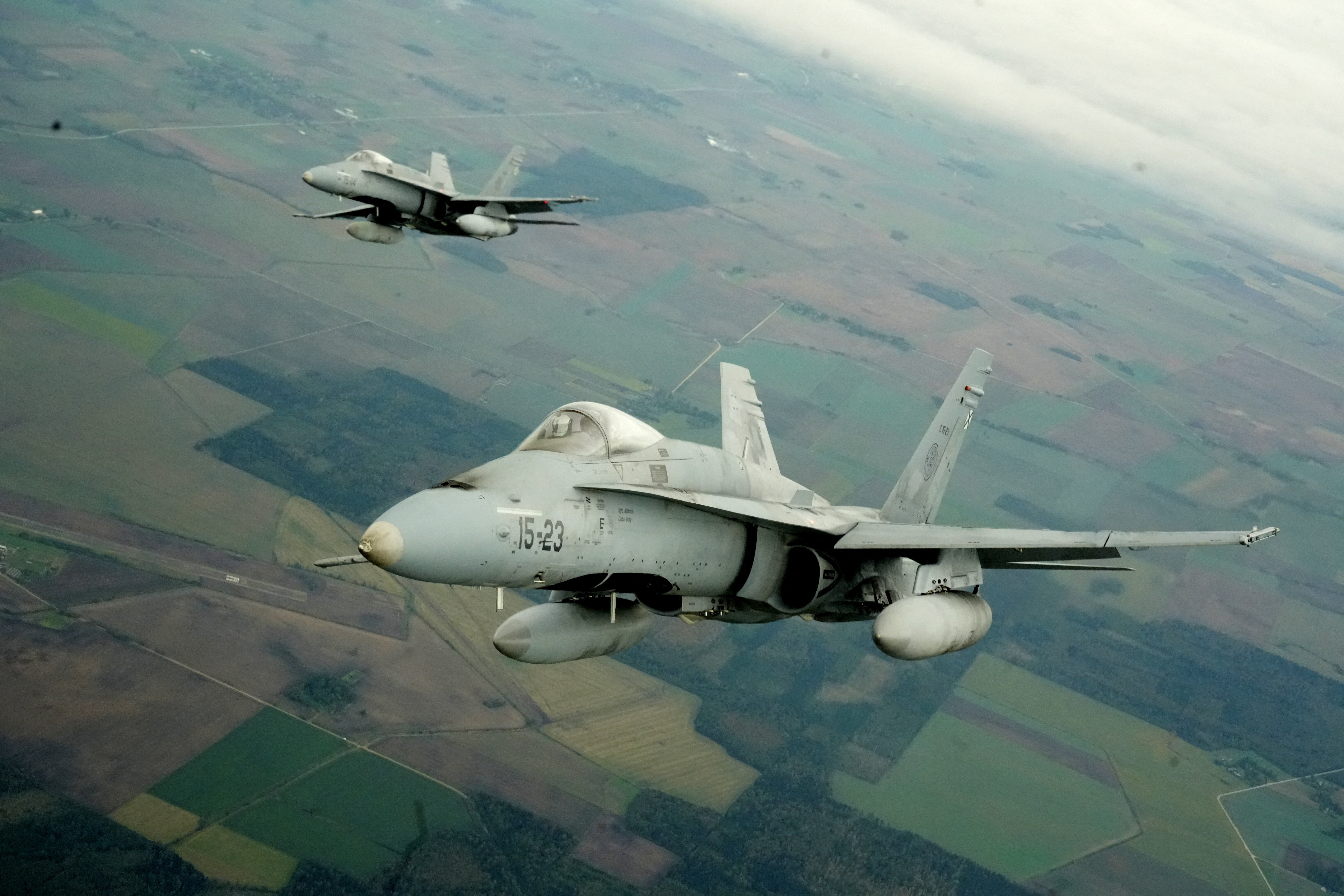
Field reports highlight the increasingly desperate measures being taken by Ukrainian forces. The 11th Separate Army Aviation Brigade recently documented a rear gunner operating from the back seat of a Yak-52 propeller plane to shoot down a Russian drone in flight. While such improvised tactics have seen success, they are insufficient against the sheer volume of jet-powered munitions now being deployed.
Military planners warned that any ceasefire that freezes current front lines would likely serve as a tactical pause for Russia to re-equip. With Russian forces now among the most experienced in modern electronic and drone warfare, a window of peace would allow for the integration of lessons learned from the conflict, potentially making a future offensive even more difficult to repel. For Europe, the current moment represents a deadline to move beyond stockpiling domestic supplies and toward a cohesive military response that calls what many officials are now labeling as Putin’s bluff.