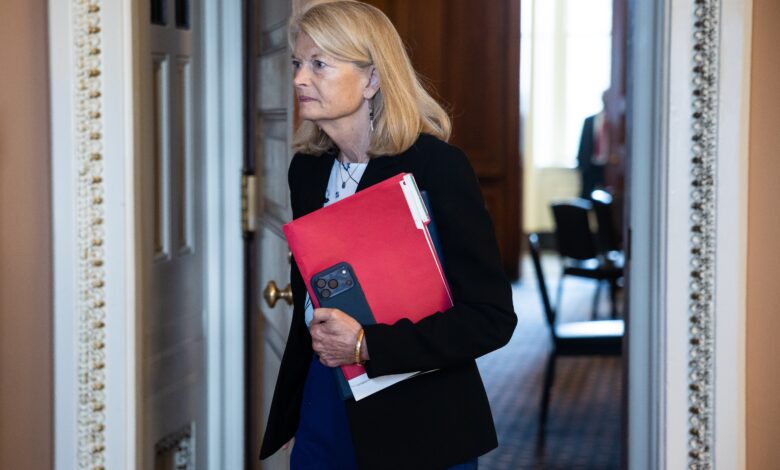
U.S. Senator Lisa Murkowski broke with her party this week by endorsing Democratic candidate Jonathan Kreiss-Tomkins for governor of Alaska, a move that local political insiders say reflects her trademark independence rather than a calculated signal about her own 2028 reelection plans.
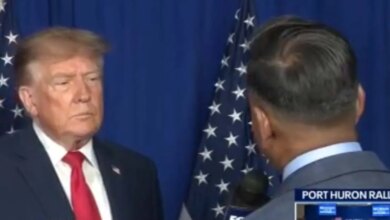
Murkowski announced her support for Kreiss-Tomkins on Tuesday, stating that he would serve all Alaskans regardless of party affiliation. The endorsement places her at odds with national and state Republicans, who have three candidates in a four-way ranked-choice general election alongside Kreiss-Tomkins. President Donald Trump has endorsed GOP candidate Bernadette Wilson to succeed outgoing Republican Governor Mike Dunleavy.
While some analysts have speculated that Murkowski’s crossover endorsement could indicate she might retire in 2028 or attempt to position herself for a cross-party coalition, long-time observers in Alaska dismissed those theories. Operatives and journalists on the ground view the decision as evidence of her well-established political independence and frustration with the outgoing administration rather than tea leaves regarding her own senate seat.
Art Hackney, a GOP operative in Alaska running a super PAC for Senator Dan Sullivan, noted that the endorsement was unsurprising. He stated that Murkowski evaluates candidates individually rather than adhering strictly to party lines and concluded that she views Kreiss-Tomkins as the strongest choice among the four contenders. Larry Persily, a veteran political aide and journalist, echoed that sentiment, describing the endorsement as a reflection of dissatisfaction with the current Dunleavy administration and a reminder that Murkowski intends to keep her voice active in state politics.
Murkowski has not made a public decision regarding her 2028 reelection campaign, and representatives for the senator did not respond to inquiries regarding her future plans. The endorsement is not her first crossover backing; while she supports Republican Senator Dan Sullivan in his current race, she previously backed his Democratic challenger, former Representative Mary Peltola. Murkowski’s father, former U.S. Senator and Governor Frank Murkowski, has also thrown his support behind Kreiss-Tomkins.
The Alaska senator’s independent posture was further underscored in state electoral controversies involving the 2026 Senate race and allegations that Democrats schemed to place a second Dan Sullivan on the ballot to confuse voters. After the Justice Department filed a lawsuit last week to block certification over the dual candidates, Murkowski pushed back publicly, asserting that Alaskans do not need assistance voting for their preferred choices. Following media reports detailing knowledge of the ballot scheme by Peltola’s campaign and national Democratic operatives, Murkowski issued another statement calling for honesty and criticizing a culture of deception in elections.
President Trump renewed his attacks on Murkowski over the weekend via social media, labeling her the worst senator following her criticism of the Justice Department lawsuit. The two figures are also on opposite sides of Alaska’s ranked-choice voting system, which eliminates traditional party primaries and is facing a repeal referendum on the upcoming ballot. Trump has condemned the system as corrupt, while supporters credit it with helping Murkowski survive a primary challenge from her right in 2022.
Although Murkowski generally votes alongside her Republican colleagues, she has frequently broken with party leadership on major domestic and foreign policy questions, including opposition to several Cabinet nominees such as Attorney General Todd Blanche earlier this year. Senate Republicans have privately questioned whether Murkowski will seek another term in 2028 and whether Trump might recruit a primary challenger against her, mirroring her legendary 2010 victory via a write-in campaign.
Meanwhile, Governor Dunleavy has faced months of speculation regarding a potential 2028 challenge to Murkowski’s Senate seat, though his prospects have been complicated by low approval ratings and strained ties within the state GOP. Murkowski criticized the Dunleavy administration this week for leaving federal money on the table, while national Republican operatives suggested anonymously that Dunleavy might pursue a federal Cabinet appointment instead of a Senate bid should he remain in public life. Trump praised Dunleavy during a White House event in September, describing him as a great governor and friend.