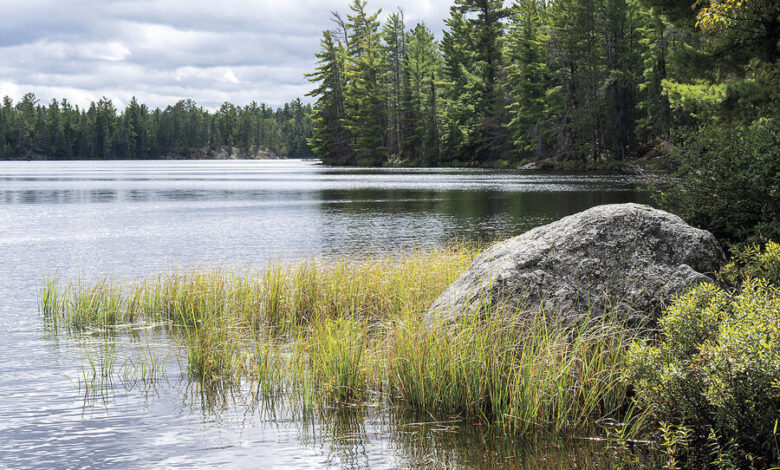
Deep in northern Minnesota, the ancient legacy of the Midcontinent Rift has left behind one of the world’s largest undeveloped deposits of copper, nickel, and cobalt. Today, those critical minerals—vital for powering everything from electric vehicles to consumer electronics—have set the stage for a high-stakes political and economic clash on the edge of the Boundary Waters Canoe Area Wilderness (BWCAW). Spanning more than one million acres across more than 1,100 interconnected lakes, the wilderness represents one of the most pristine natural environments in the Lower 48. For the small city of Ely and the surrounding region, the friction between industrial resource extraction and environmental preservation has divided communities, reshaped local economies, and emerged as a central flashpoint in state and federal politics.
For generations, iron-ore mining and outdoor recreation have defined the identity and economy of the Northwoods. While towns like Ely maintain a nostalgic connection to their mining heritage, leaders note that the local economy has largely transitioned into an amenity-based tourism hub. That delicate balance shifted significantly this year when federal lawmakers in Washington overturned a 20-year moratorium on mining upstream from the wilderness. In response, Minnesota Democratic Gov. Tim Walz issued an executive order in August reinstating a ban on mining in the area. However, because executive orders expire 90 days after a governor leaves office, the long-term fate of the leases now hinges on upcoming elections and potential legislative action.
At the center of the industrial push is Twin Metals Minnesota, a subsidiary of the Chilean mining conglomerate Antofagasta PLC, which holds the mineral leases located five miles outside the BWCAW. At its operational headquarters near the defunct Pioneer Mine in Ely, the company maintains a massive warehouse filled with core samples extracted from the Duluth Complex. Dean DeBeltz, Twin Metals’ vice president for external relations and project operations, notes that extensive drilling has confirmed rich deposits of critical minerals. Proponents argue that tapping these domestic reserves is essential for national security and economic independence, particularly as global demand for copper and nickel surges and foreign supply chains face volatility. Julie Lucas, executive director of MiningMinnesota, emphasizes the necessity of securing these foundational resources domestically.
Supporters also highlight the promised economic injection for Ely, estimating that a fully operational underground mine would create 750 full-time jobs and roughly 1,500 spinoff positions. Former Ely mayor and current Republican state Rep. Roger Skraba, who is running for reelection, argues that the community desperately needs economic diversification, pointing out that the local tourism sector suffered setbacks during summer wildfires inside the BWCAW. Other local candidates, such as congressional hopeful Trina Swanson and state legislature candidate Aaron Kania, navigate a complex political landscape where voters remain deeply divided. While some residents view the project as a vital economic lifeline and a chance to escape burdensome regulations, others express profound skepticism regarding long-term local benefits, noting a 2020 Harvard study suggesting the mine could negatively impact the regional economy over time.
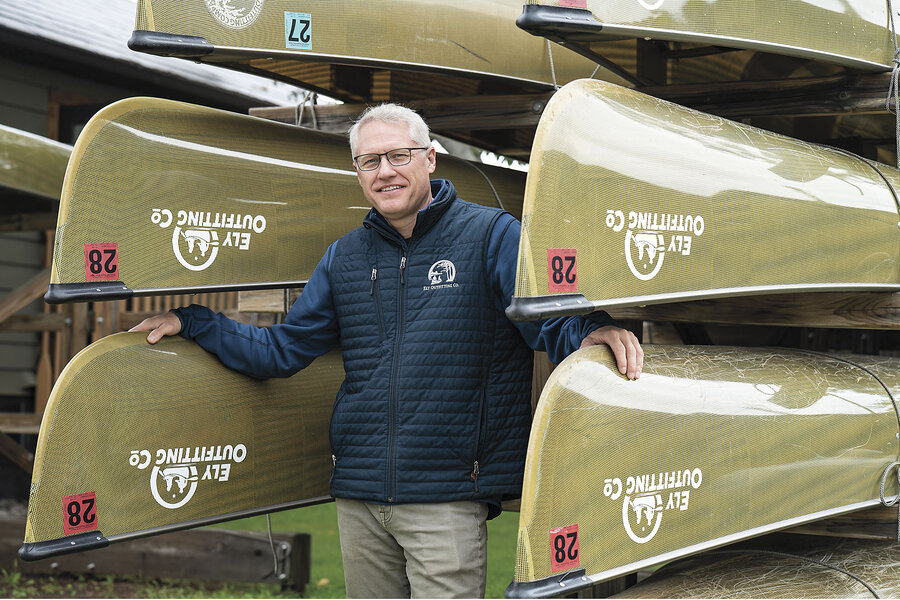
Conservation groups and local outfitters warn that the environmental risks posed by an underground copper and nickel mine are too high for such a sensitive watershed. Jason Zabokrtsky, owner of the Ely Outfitting Co., points to the northward-flowing network of lakes, arguing that any potential pollution would create a permanently damaged watershed. Becky Rom, national chair of Save the Boundary Waters, echoes these concerns, asserting that the unique aquatic ecosystem cannot absorb the risks associated with sulfide-bearing tailings. Although Twin Metals maintains that its extraction methods and non-acid-generating tailings will comply with strict regulatory standards, opponents remain unconvinced that the wilderness can be adequately protected from permanent ecological disruption.
As candidates campaign across the district and voters weigh the competing imperatives of economic growth and environmental stewardship, the debate over the Duluth Complex underscores a broader national tension. The outcome in northern Minnesota will determine whether the region embraces a new era of heavy industry or preserves a vast, interconnected water system that has remained untouched for generations.