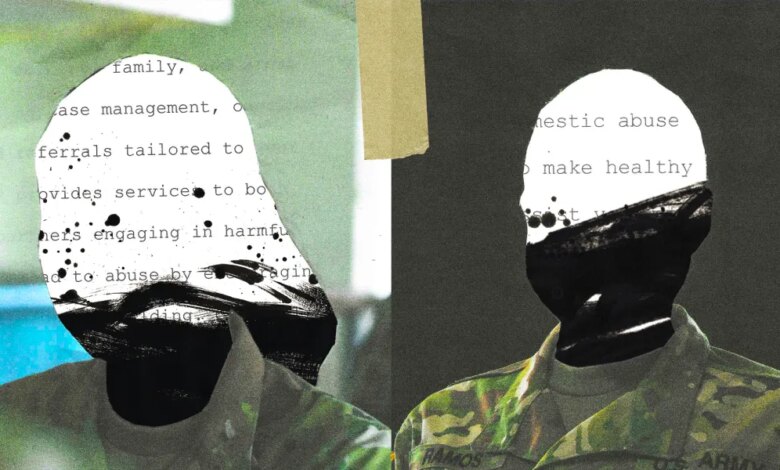
The U.S. military’s mandated reports to Congress significantly undercount homicides resulting from domestic abuse and intimate partner violence, omitting nearly half of such cases, according to an investigation into Defense Department records. Over a six-year period, the Pentagon recorded 41 domestic abuse-related homicides committed by service members, while independent analysis identified at least 73 potential cases involving 79 victims—nearly all of them women—during the same timeframe.
The findings draw on publicly available news articles, obituaries, court records, memorials, and data obtained through a Freedom of Information Act request on Army noncombat fatalities. A killing qualified for the dataset if it occurred between fiscal years 2019 and 2024, involved a military perpetrator, and constituted a homicide within a dating or romantic relationship. The figures include foreign citizens abroad dating American troops, as well as 10 service women or Defense Department workers killed by intimate partners—including six slain by male co-workers—since the second Trump administration took office.
The data tracking failures have drawn intense scrutiny following high-profile tragedies, such as the May 2025 murder of 21-year-old Navy sailor Angelina Resendiz at Naval Station Norfolk in Virginia. Resendiz was killed by fellow sailor Jermiah Copeland, who had a documented history of violence against women that included prior accusations of sexual assault and domestic violence before and during his naval service. Copeland kept Resendiz’s body hidden in his barracks room for four days before dumping it in a duffel bag behind an elementary school.
Esmerelda Castle, Resendiz’s mother, described delayed and misleading responses from naval authorities who initially suggested her daughter had gone AWOL or that missing person reports were exaggerated. A Navy chief searching for Resendiz had actually encountered her body packed under covers in Copeland’s room on the day of her disappearance but failed to recognize she was dead. Copeland was convicted of the murder in June 2026. Following the killing, Castle successfully pushed the Navy to change transfer policies regarding sailors facing sexual violence allegations and is pursuing further reviews of how missing personnel are handled.
Experts note that structural and cultural barriers continue to discourage active-duty personnel from reporting abuse. Active-duty women have reported fears that command awareness of abuse could hinder promotions, while systemic data gaps obscure the true scale of the problem. A 2021 Government Accountability Office report previously found that the department failed to collect and report accurate data for all domestic abuse allegations received. Pentagon officials stated that their domestic abuse reports rely solely on aggregated data from the Family Advocacy Program Central Registry and do not constitute broader estimates.
Meanwhile, military justice data highlights shifting prosecution trends. Following congressional reforms granting independent military prosecutors authority over trial decisions, domestic violence prosecutions climbed to 359 cases last year. However, military prosecutions for sexual assault fell by nearly 60 percent over a five-year period, with a 20 percent drop occurring between 2024 and 2025. Observers suggest legal teams are increasingly focusing on cases perceived as easier to win. Court data analysis also revealed sentencing disparities, indicating that junior service members convicted of domestic violence faced harsher penalties and higher rates of benefit loss compared to senior personnel closer to retirement.