Catherine Herridge Appeals to Supreme Court Over Confidential Sources in Landmark Privacy Dispute

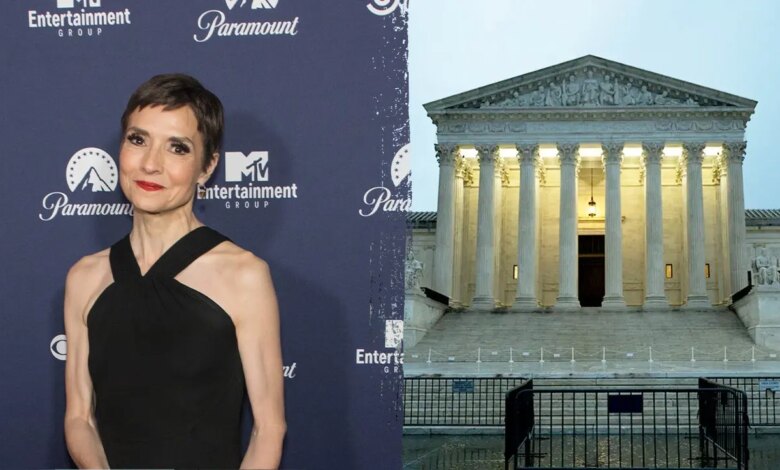
Veteran investigative reporter Catherine Herridge has formally petitioned the U.S. Supreme Court to intervene in a legal battle that could redefine constitutional protections for journalists and their confidential sources. The appeal follows a federal court order holding Herridge in contempt and imposing an $800-per-day fine for her refusal to identify the individuals who provided information for a series of reports regarding a woman’s alleged ties to the Chinese military.
The outcome of the case carries the potential to significantly alter the legal landscape for the American press under the First Amendment. At the heart of the dispute is a 2017 investigation into Yanping Chen, a Chinese American businesswoman who operated the University of Management and Technology (UMT) in Arlington, Virginia. Herridge’s reporting raised questions about Chen’s history as a colonel for the People’s Liberation Army (PLA) of China and the possible exposure of sensitive information concerning U.S. military personnel.
The investigation utilized photographs that appeared to show Chen in a Chinese military uniform and examined allegations that she had concealed her military background when applying for U.S. immigration benefits. Furthermore, the reports detailed concerns from a whistleblower who alleged that school computer systems, which held data on American service members and their professional training, could be accessed remotely from China. Following the publication of these findings, the Department of War conducted a national security review and subsequently terminated UMT’s eligibility for military tuition assistance. At the time, the school was receiving approximately $200,000 per month in taxpayer-funded assistance.
While federal authorities previously investigated Chen for counterintelligence concerns and potential immigration violations, prosecutors in the Eastern District of Virginia ultimately declined to file charges. Chen subsequently initiated a lawsuit against the federal government, alleging that officials violated the Privacy Act by improperly disclosing her private records to the media. As part of that litigation, she has sought to force Herridge to reveal the identities of the sources responsible for the disclosure, arguing the information is essential to her case.
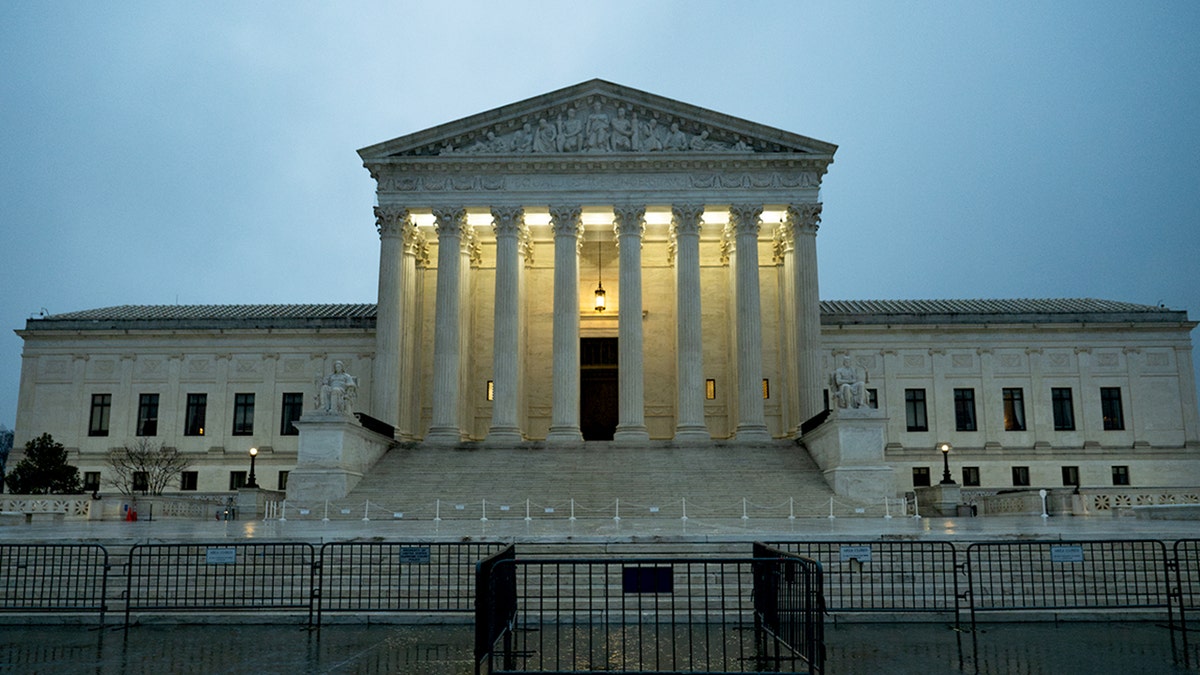
Herridge’s legal team is now asking the Supreme Court to reconsider the legal standard used to compel journalists to reveal sources in civil cases. They argue that lower courts failed to weigh the broader context of the case, including the Pentagon’s national security findings and the overall viability of Chen’s claims against the government. The petition highlights a persistent disagreement among federal appeals courts regarding the scope of “reporter’s privilege,” an issue the Supreme Court has not addressed comprehensively in more than 50 years.
The U.S. Court of Appeals for the D.C. Circuit had previously upheld the contempt order, applying a narrow test that focused on whether Chen needed the information for her lawsuit and whether she had exhausted all other means of obtaining it. Herridge’s attorneys contend that courts should also evaluate the strength of the underlying lawsuit and the consequences of disclosure, particularly when national security matters are involved. They warn that under the current narrow standard, a plaintiff could unmask a reporter’s confidential sources even if their lawsuit had other fatal deficiencies that would prevent them from recovering damages.

Herridge has maintained her refusal to identify her sources, stating that compelling such a disclosure would devastate the ability of journalists to work with whistleblowers and obtain sensitive information on government activities. While the daily fines have been a point of contention, Herridge continues to receive support for her legal fees as the case moves toward a potential hearing before the nation’s highest court.