The race to lead the Los Angeles city attorney’s office has crystallized into a stark philosophical divide between collaborative, progressive public-interest litigation and traditional law-and-order prosecution. The contest features Marissa Roy, a deputy attorney general in the California Department of Justice, and John McKinney, a veteran Los Angeles County deputy district attorney.
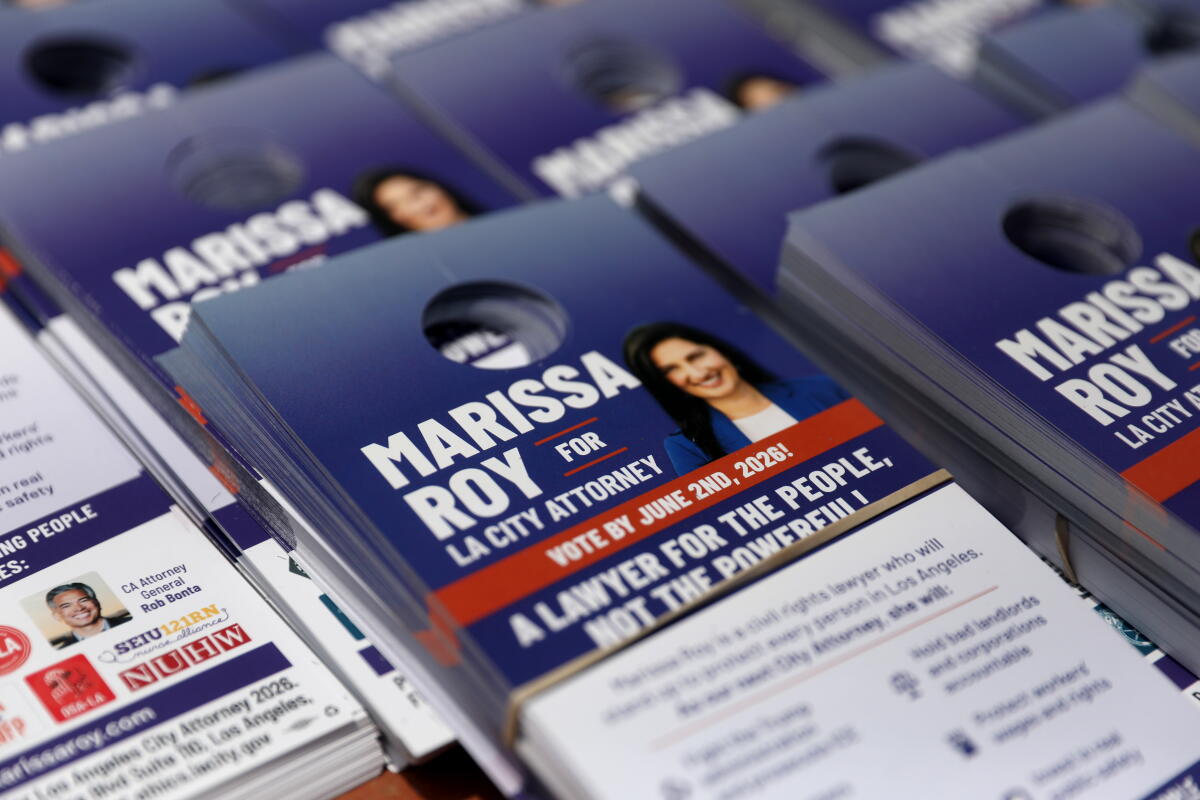
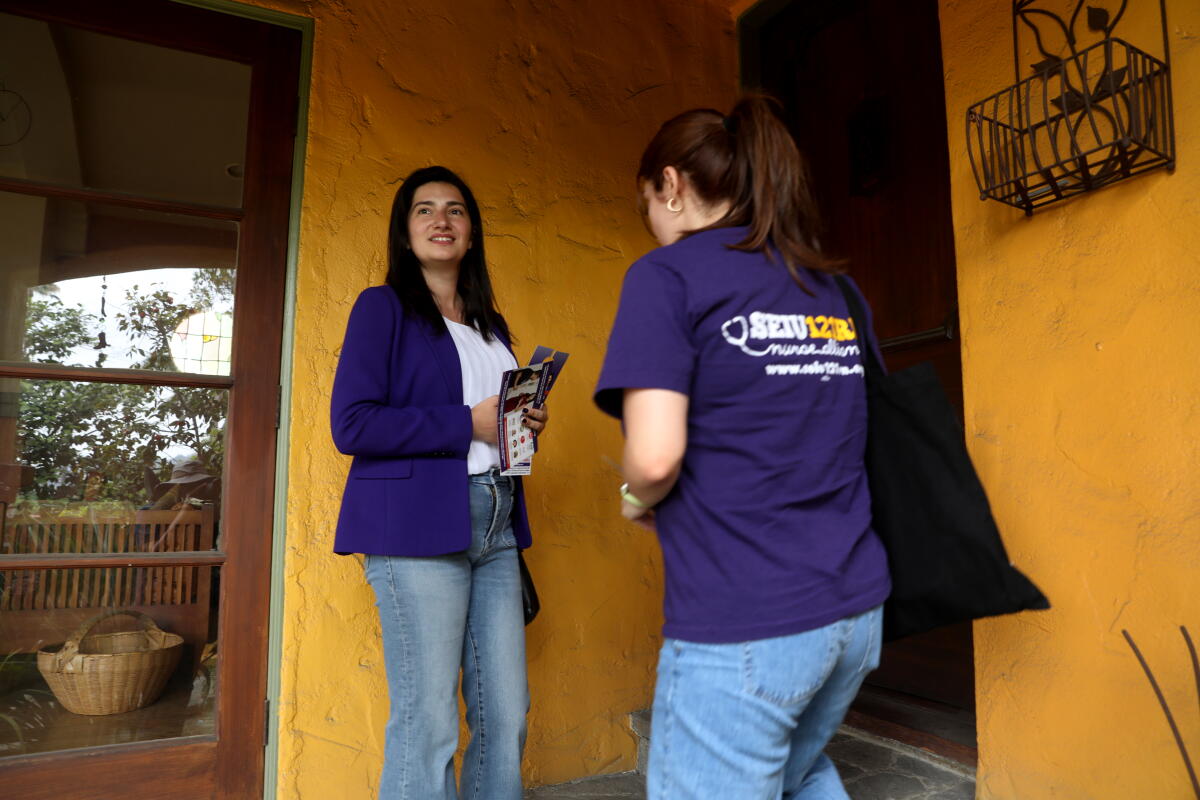
Roy, 34, launched her bid to transform the office into what she describes as the largest public interest law firm in Los Angeles. Her campaign has focused on plans to combat wage theft, protect exploited tenants, shield victims of domestic violence and child abuse, and join other elected attorneys in legal challenges against federal policies under the Trump administration. Her supporters on the city’s left, alongside a network of California city attorneys, have praised her collaborative approach and her role in major multi-city litigation, including a historic $17-billion settlement with Meta announced in August.
California Atty. Gen. Rob Bonta noted that Roy was among the original four team members who helped develop the state’s legal strategy and deception theory for the Meta litigation. San Francisco City Atty. David Chiu and San Diego City Atty. Heather Ferbert have also endorsed her, emphasizing her background in affirmative litigation and multi-city teamwork.
In contrast, McKinney, 58, has run a stoic, law-and-order campaign centered on his extensive courtroom experience and background as director of special prosecutions in the Los Angeles County district attorney’s office. McKinney’s supporters point to his biography—rising from an orphan to a high-ranking prosecutor—and his courtroom prowess as vital qualifications to handle the approximately 120,000 violations referred to the city attorney annually for potential misdemeanor charges.
Four former Los Angeles city attorneys, including Burt Pines, have endorsed McKinney. Pines argued that McKinney possesses the necessary experience, stature, and gravitas for the position, expressing reservations about Roy’s background. Independent expenditure groups supporting McKinney also raised questions about Roy’s previous title usage during her early career, though her campaign and office authorizations defended the designation. McKinney’s camp has sought to draw parallels between Roy and polarizing figures like former district attorney George Gascón, a comparison Roy has dismissed as political maneuvering.
The runoff election follows a tumultuous primary in June that saw incumbent City Atty. Hydee Feldstein Soto knocked out of the race. Feldstein Soto faced declining popularity, mounting civil liability costs for the city, and severe political fallout in April after hackers stole thousands of police files from her office. The security breach prompted a surge in corporate donations and a police union endorsement for McKinney, propelling him into the general election alongside Roy.
The outcome of the election will determine the direction of an office tasked with both prosecuting misdemeanors and serving as general counsel for municipal agencies while managing a growing wave of civil litigation against the city, ranging from sidewalk trip-and-falls to police misconduct claims.