A controversial political advertisement released in the final stretch of the Ohio gubernatorial race has triggered a sharp division within the Republican Party, pitting local officials against national figures as voters prepare to head to the polls.
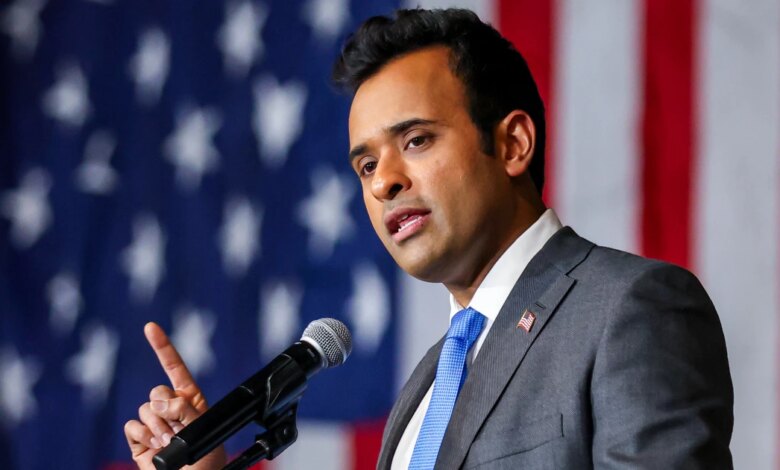
The ad, launched by Republican Vivek Ramaswamy, features Donna Arthur, the estranged mother of his Democratic opponent, Amy Acton. In the video, Arthur calls her daughter a “liar.” Acton has previously spoken publicly about being sexually abused as a child by her mother’s husband, and her brother released a video this week stating that their birth mother remained married to Acton’s abuser until his death. Acton has stated that she has not seen or spoken to her mother in nearly 50 years.
The commercial drew immediate condemnation from Democrats and created a rift among Republicans. Ohio Governor Mike DeWine, whom Ramaswamy is running to succeed, and state Senator John Husted, who is also on the ballot, both distanced themselves from the controversy. DeWine publicly called the ad “deeply, deeply troubling” and urged Ramaswamy to pull it down.
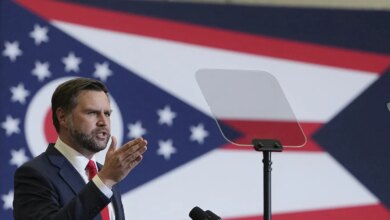
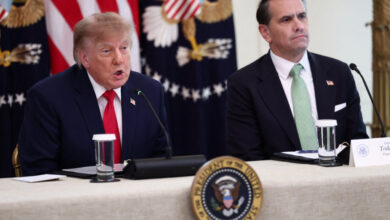
However, the move found support from other high-profile Republicans. Vice President JD Vance urged fellow party members to stop complaining about the ad and concentrate on winning the election. Meanwhile, President Donald Trump used social media to criticize DeWine while praising Ramaswamy’s advertisement as “very powerful.”
Political strategists noted that candidates typically attempt to unify their own party while dividing opponents, particularly in the closing days of an election. Ramaswamy’s strategy, by contrast, has achieved the reverse. Analysts suggest the move indicates Ramaswamy believes he is trailing Acton but remains within striking distance, calculating that the fight surrounding the ad’s attention may help close the gap despite the risks of alienating moderate voters and fellow Republicans on the ticket.
At the same time, Senate campaigns in key states are intensifying efforts to secure the support of Black voters ahead of the upcoming election.
In Michigan, Republican Senate candidate Mike Rogers opened a campaign office in Detroit, where 75 percent of the population is Black. Rogers has engaged directly with local voters, serving drinks at a Detroit bar and having his wife distribute gift cards from a gas station parking lot. Democrats face their own internal dynamics in the state, where former President Barack Obama is scheduled to headline a Detroit rally for Democratic nominee Abdul El-Sayed, even as El-Sayed faces lingering scrutiny over past criticisms of the nation’s first Black president.
In Texas, Democratic Senate nominee James Talarico is leaning on Black voters during the final stretch. At a recent gathering of activists and community members, Representative Jasmine Crockett praised Talarico as the party’s Senate nominee. However, Crockett also pointed to lingering tensions from their competitive primary, noting that Talarico’s campaign had not utilized an offer from her top campaign lieutenant to help mobilize historic African American turnout.
Beyond the gubernatorial and Senate battles, several other developments have emerged nationally ahead of the vote. In Alaska, voters identified rising prices as a central concern in an unusually competitive Senate race. In federal policy, the Justice Department is weighing potential litigation against additional states to compel reviews of voter rolls for noncitizens, while Attorney General Todd Blanche left open the possibility that the department could seek to block the certification of midterm votes, though insisting the agency does not intend to improperly interfere with elections. In the judicial arena, federal authorities charged Virginia state Senator L. Louise Lucas, a Democrat, with racketeering and money laundering conspiracy in connection with a public corruption investigation involving a cannabis business she co-owns. Additionally, tens of thousands of voters have utilized an artificial intelligence application called VoteMate to navigate their choices on the ballot.