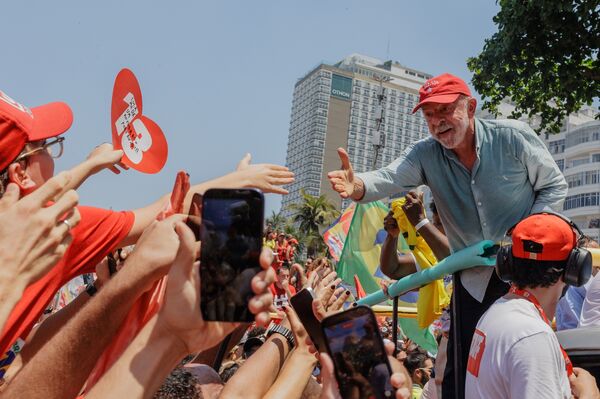
President Luiz Inácio Lula da Silva drew hundreds of thousands of red-clad supporters to São Paulo’s iconic Avenida Paulista on Saturday, staging a massive rally hours before millions of Brazilians head to the polls for a high-stakes presidential runoff. The 80-year-old incumbent, who has shaped Latin American politics for four decades, rode a slow-moving sound truck down the 3-kilometer cultural landmark while crowds chanted, danced, and raised their hands in the shape of the letter L.
Lula is attempting to secure an unprecedented fourth and final mandate on Sunday, facing daunting political odds as he fights to maintain power. First elected in the presidency in 2002 and having run seven times overall, the veteran leader is confronting a formidable challenge from right-wing senator Flávio Bolsonaro in a race that final polls indicate favors the challenger.
An AtlasIntel survey conducted for News between October 18 and 23 showed Bolsonaro holding 51% of the vote compared to Lula’s 49%, with a margin of error of 1 percentage point, a 95% confidence level, and registration under number BR-06380/2026 with Brazil’s electoral court. Other final surveys showed similar splits following an unexpected first-round outcome on October 4, where Bolsonaro emerged ahead and subsequently secured key endorsements from previously neutral political parties.
Bolsonaro, projecting the confidence of a president-elect, held his own closing rally on Saturday in Rio de Janeiro, his family’s political stronghold, where he vowed to retire Lula permanently and told supporters that Brazil would have a new president by Sunday night. The final stretch of the campaign featured sharp exchanges, including a tense televised debate on Friday night where Bolsonaro made a mocking remark regarding Lula’s missing finger, prompting the incumbent to recount losing the digit in a factory accident while accusing his rival of denigrating working-class citizens.
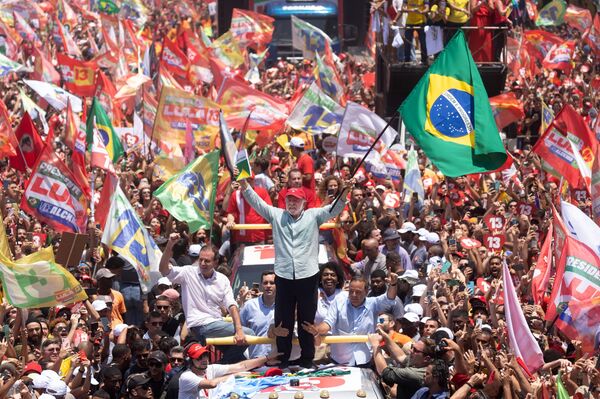
Lula’s political career has been defined by overcoming adversity, from his origins in poverty in Brazil’s northeast and trade union leadership during the dictatorship to surviving cancer, enduring an annulled corruption imprisonment, and staging a dramatic political resurrection. Following an unexpected deficit in the first round, Lula paused campaigning to revamp his strategy, embracing digital platforms by acquiring his first cell phone and launching a WhatsApp channel named “Lula’s Army” that attracted roughly 11 million supporters.
Legislatively, the incumbent secured a major victory when the Senate approved his flagship proposal to shorten the Brazilian workweek. His platform has featured targeted populist pledges, including free public transit on weekends and debt forgiveness for microentrepreneurs, alongside battles with Meta Platforms Inc. over message distribution across social networks. His campaign has leaned heavily on nostalgia for the economic boom and social gains achieved during his earlier presidencies, contrasting with his current term, which has featured near-record low unemployment and tax exemptions but struggled against changing economic demands.
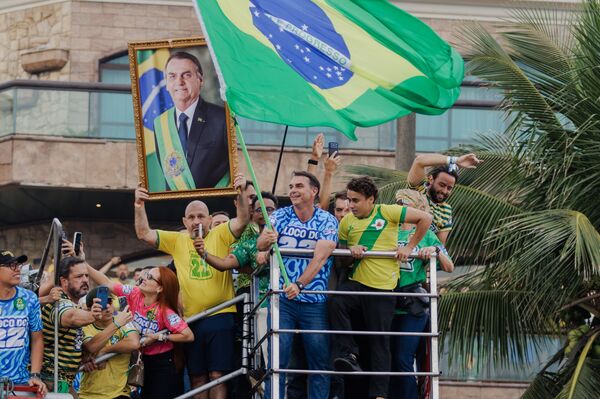
Meanwhile, Bolsonaro has centered his campaign on public security, the cost of living, and heavy household debt, while promising to slash bureaucracy and free his father, former President Jair Bolsonaro, who remains under house arrest for plotting a coup after losing the presidency to Lula four years ago.