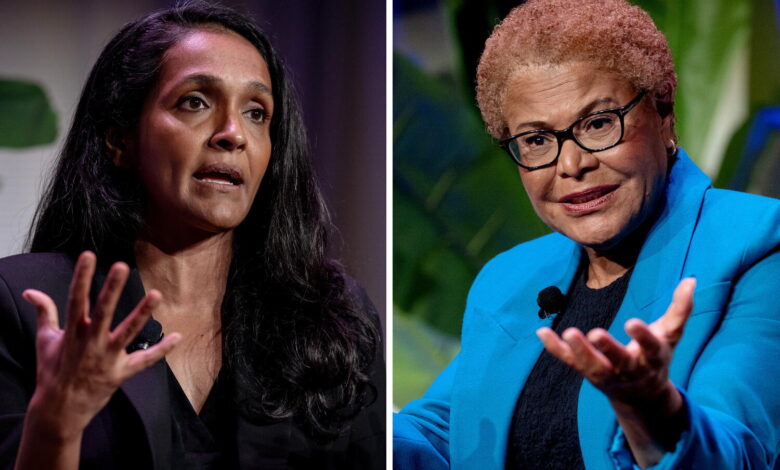
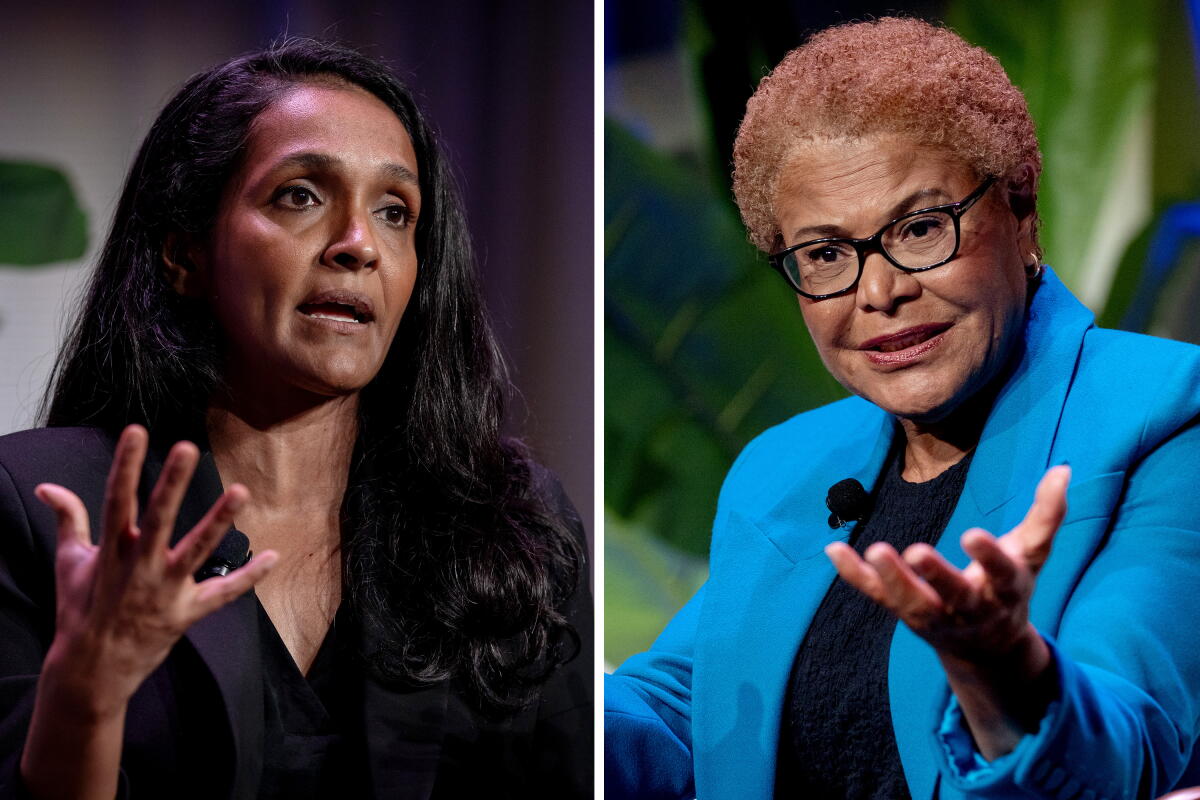
Los Angeles voters head to the polls Tuesday to conclude a bitter, nine-month mayoral contest between incumbent Mayor Karen Bass and City Councilmember Nithya Raman. The race pits the 73-year-old establishment incumbent against a 45-year-old progressive challenger from a younger generation of Democrats, leaving a significant block of undecided voters to weigh the status quo against a high-stakes pivot toward change.
The contest was upended in February when Raman launched a surprise last-minute bid against Bass, her former political ally. Bass, who endorsed Raman during her tough 2024 reelection fight, has spent the campaign defending her record while pressing back against Raman’s attacks. Recent polling shows the two candidates in a dead heat, with roughly one-fifth of surveyed voters remaining undecided as Election Day arrives.
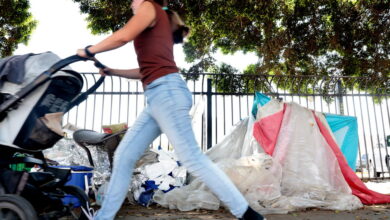
Throughout the final stretch of the campaign, both candidates have traded sharp criticism over municipal performance and leadership. Raman has zeroed in on the city’s persistent homelessness crisis, deteriorating street conditions, and high-profile administrative failures. Standing near the unfinished and over-budget SkyLink people mover at Los Angeles International Airport last month, Raman argued that the current administration delivers high costs for poor management.
“From the biggest projects to the most basic services, the hallmark of this mayor’s administration is Angelenos pay more and get less, and you get a lot of mismanagement and lies along the way,” Raman said.

Bass countered by highlighting what she characterized as shifting policy stances from her challenger, pointing to past reversals on police hiring levels and the city’s mansion tax. Bass also noted that all 14 of Raman’s council colleagues have lined up behind the mayoral incumbent. Bass campaigned heavily on her efforts to expand affordable housing, manage crime reduction—including a noted drop in homicides—and stabilize city finances following a severe budget shortfall driven in part by pay raises for municipal workers.
The next mayor will inherit immense governance hurdles, most notably presiding over the city as it hosts the 2028 Summer Olympic Games. The global event carries heavy financial and security exposure, leaving the city on the hook for the initial $250 million or more if the games incur losses. Additionally, the incoming administration faces a rebound in unsheltered homelessness despite hundreds of millions spent on initiatives like Inside Safe, alongside crucial contract negotiations with municipal employee unions.
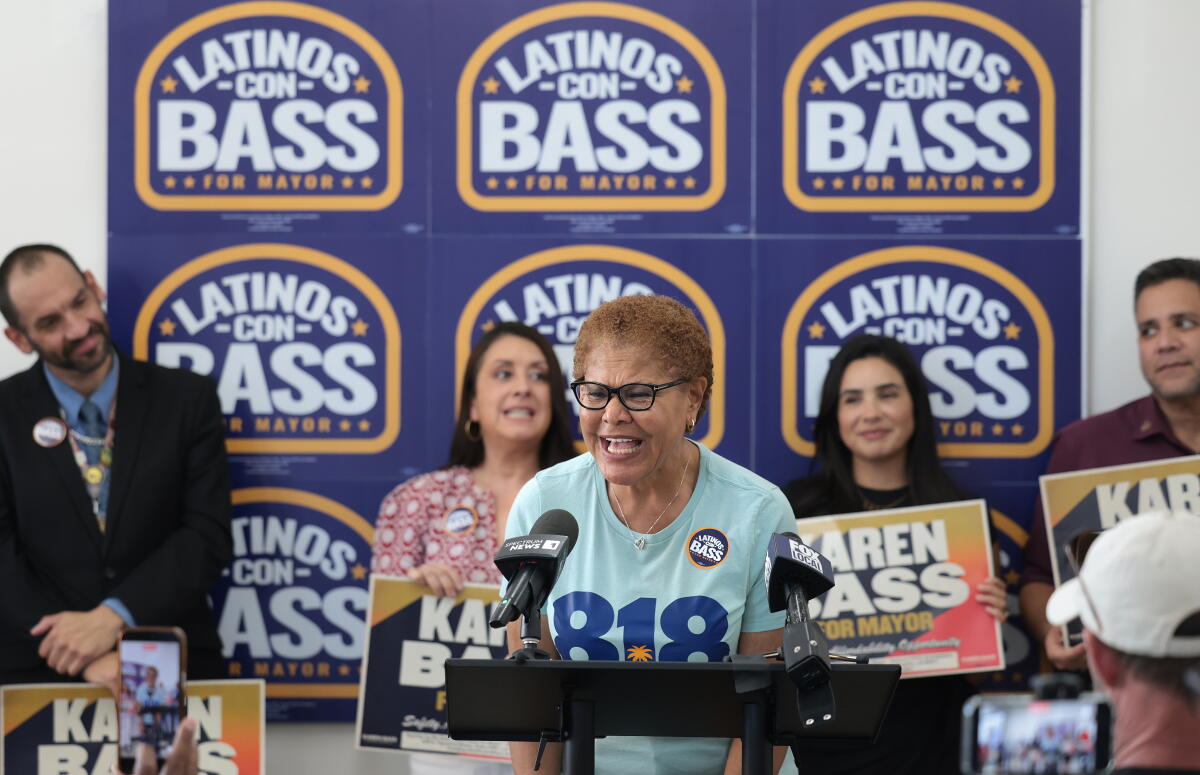
External political spending heavily shaped the runoff. Outside committees and political action committees poured millions into the race on both sides. The Los Angeles Police Protective League spent millions opposing Raman, while hedge fund manager Aaron Sosnick and the carpenters union backed independent expenditure efforts for the challenger. Meanwhile, downtown business groups and short-term rental interests provided financial backing for Bass.
The campaign’s final days featured a flurry of messaging aimed at undecided voters, including those who supported primary contender Spencer Pratt before he failed to make the runoff. While analysts note that undecided voters will ultimately decide whether they want a break from the establishment or a steady hand through upcoming global events, the Tuesday vote will determine the immediate trajectory of civic leadership in Los Angeles.