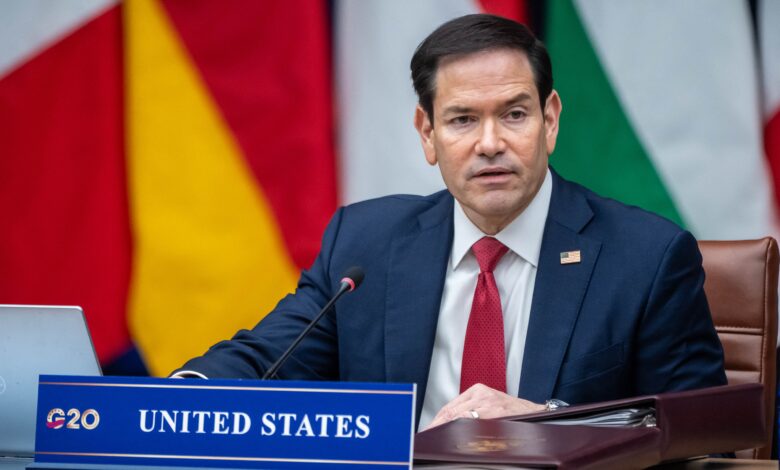
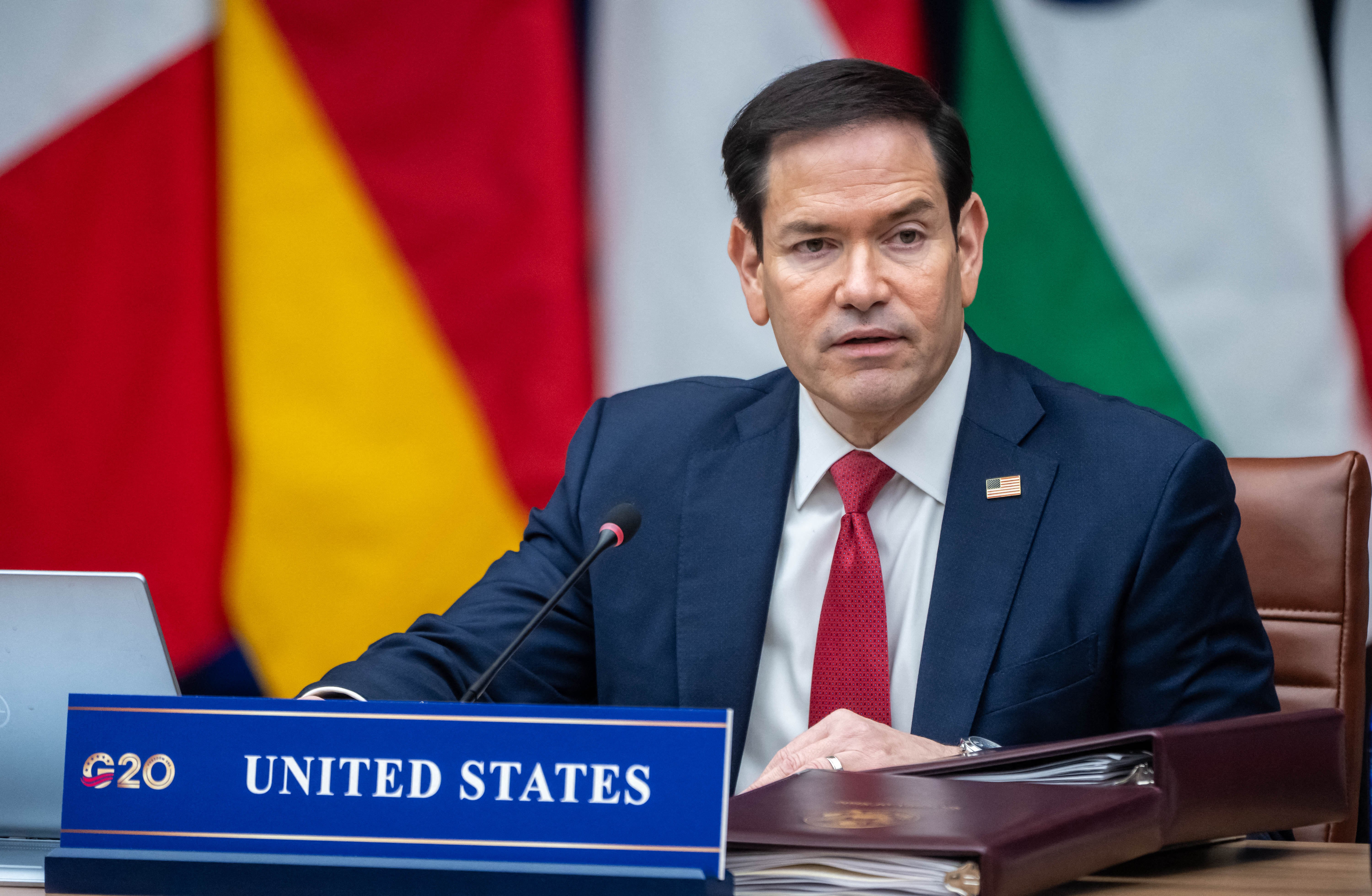
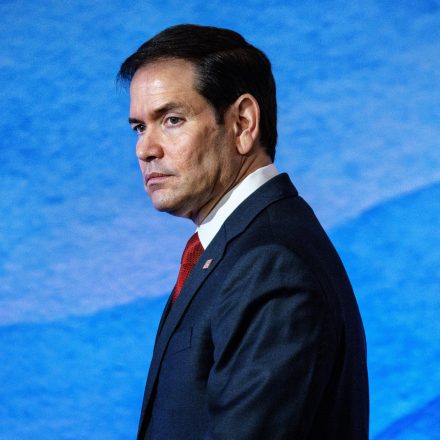
The Central Intelligence Agency has taken the unusual step of advertising for informants on social media, publicly soliciting individuals in Cuba to establish clandestine partnerships with American intelligence. Secretary of State Marco Rubio drew widespread attention when he posted on X that those seeking to foster political change in Havana could seize the opportunity through a direct partnership with the CIA. While intelligence agencies traditionally rely on covert channels and hidden digital platforms, the open appeal reflects how universal technical surveillance has complicated traditional recruitment methods.
This overt approach is not entirely unprecedented. During the prior administration, the CIA recruited inside Russia via a public Telegram channel and published social media videos targeting potential assets in China, Iran, and North Korea. A CIA official acknowledged the operational constraints in May 2025, noting that modern technical surveillance prevents agencies from operating as they did decades ago. Faced with limited on-the-ground access and robust local monitoring in countries like Cuba and Iran, intelligence services have increasingly turned to online solicitation.
The strategy also aligns with a broader trend among Western allies toward projecting national power publicly rather than keeping intelligence operations strictly behind closed doors. Israeli Prime Minister Benjamin Netanyahu previously shifted the Mossad toward a more visible posture, publicizing cyberattacks and operations to project regional superiority. In the United States, the second Trump administration has similarly embraced an overt display of geopolitical ambition, linking discussions of regime change in Cuba and Iran to broader assertions of hemispheric dominance under what officials term the Donroe Doctrine.
Despite the public posturing, intelligence experts and internal assessments caution that overthrowing the Cuban government will not necessarily mirror the rapid operations seen elsewhere. While President Donald Trump has frequently boasted about foreign policy maneuvers and the removal of Venezuelan President Nicolás Maduro in January, analysts warn that Cuba’s political and military architecture presents distinct obstacles. Decentralized leadership structures and redundant command hierarchies in Havana suggest that removing individual figures would not easily collapse the state apparatus.
Cuban leadership has responded with caution to Washington’s escalating pressure and public overtures. Cuban President Miguel Díaz-Canel stated in June that such aggressive tactics generate deep distrust among the public, while reiterating openness to dialogue conducted on equal terms and with respect for national sovereignty. Meanwhile, U.S. officials continue to couple economic pressure with demands for fundamental reform, even as intelligence realities complicate expectations of a swift political transition.