On October 23, 2001, Apple co-founder Steve Jobs stood before a small gathering at the company’s Cupertino, California, headquarters to unveil a device that would alter the trajectory of consumer electronics and rescue a struggling computer maker. Promoted with the iconic marketing slogan “Put 1,000 songs in your pocket,” the first-generation iPod introduced a combination of pocket-sized storage and software integration that ultimately redefined how the world listened to music.
The inaugural model featured a 5GB mechanical hard drive, a monochrome LCD screen, and a mechanical scroll wheel, backed by a battery life of roughly 10 hours. Priced at $399, the device was initially compatible exclusively with Mac computers and required iTunes for operation. Connectivity relied on a FireWire interface, which handled both charging and music synchronization, allowing users to automatically copy songs and playlists from their iTunes library. Apple boasted at the time that a full music CD could be imported in under 10 seconds, while transferring 1,000 tracks took less than 10 minutes. Beyond audio playback, the hardware could double as a portable storage drive for documents and other files.
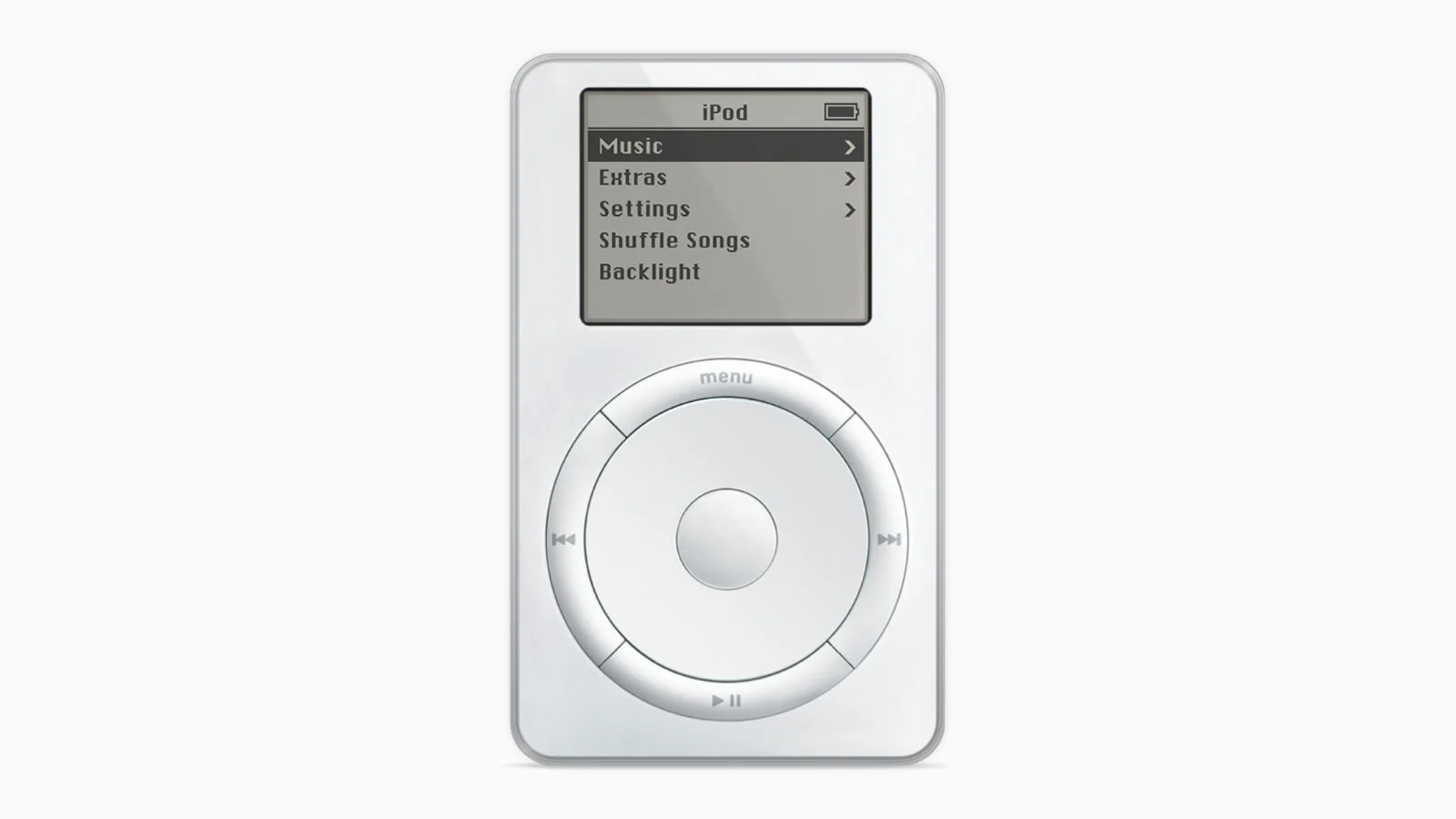
Ahead of the launch, invitations sent to journalists teased a “breakthrough digital device” that was explicitly not a Mac, sparking intense speculation across the tech industry. Observers guessed the Cupertino company might reveal a portable music player, home audio accessories, or even a handwriting-recognition PDA. Just two days prior to the unveiling, early industry rumors leaked the “iPod” moniker to the public.
Despite the eventual cultural impact, the device did not receive universal praise upon its debut. Critics and consumers immediately seized on its steep $399 price tag, its restriction to the Mac ecosystem, and its general market positioning. Skeptics dismissed the hardware as falling short of revolutionary, with some writing it off as overhyped marketing for a minor accessory. When the product officially hit store shelves on November 10, 2001, early buyers queued up to purchase units, though their feedback was mixed. While users praised the intuitive operation and music management system, common complaints targeted the scratch- and fingerprint-prone mirror-finish metal back, elevated operating temperatures during charging, and debated sound quality.
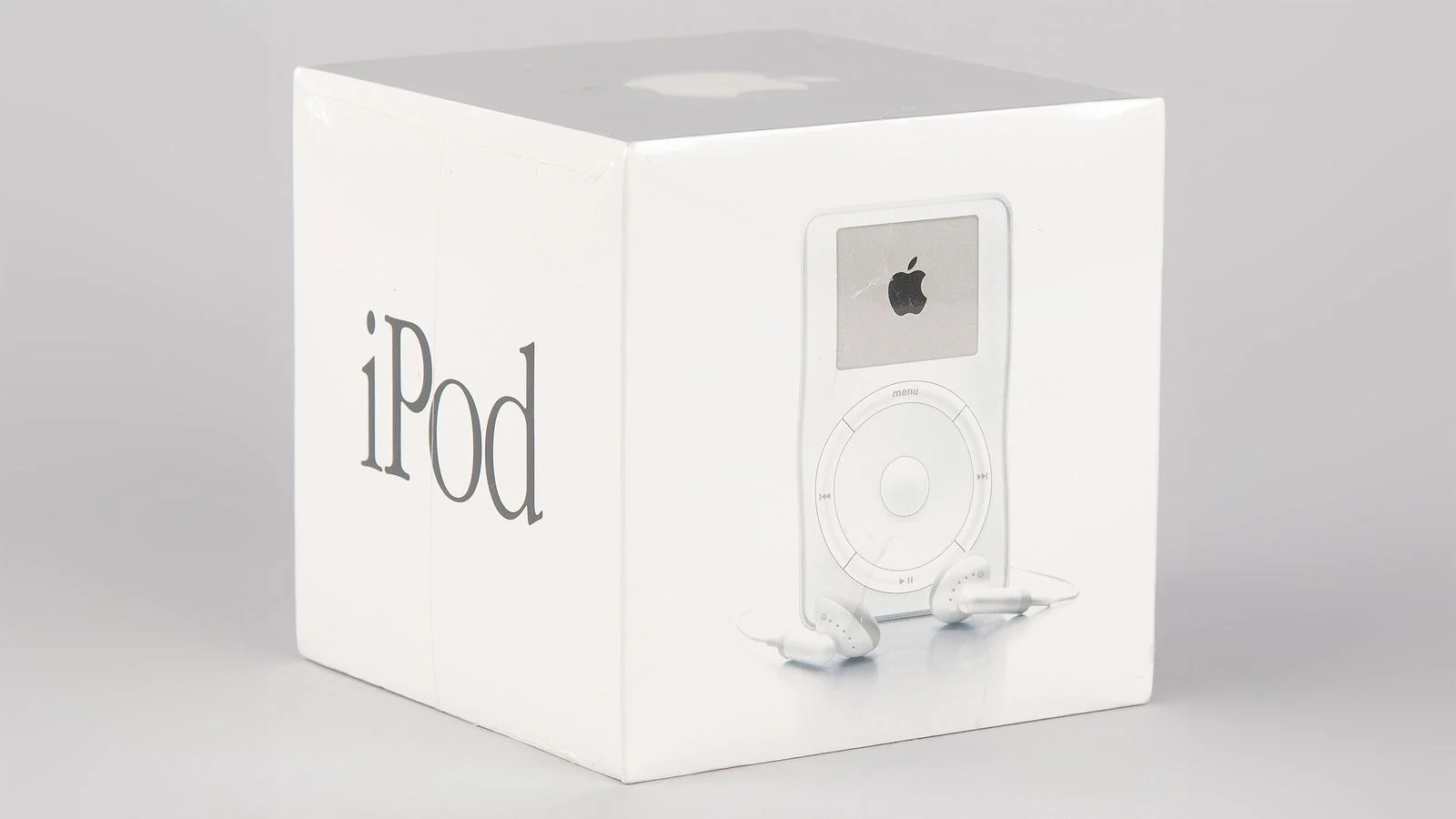
Apple quickly iterated on the hardware in the years that followed. The second-generation model swapped the mechanical wheel for a touch-sensitive version, while the third-generation lineup introduced the ubiquitous 30-pin Dock interface in 2003. Standard versions upgraded to color displays in 2004 and added video playback capabilities by 2005.
Expansion of the broader family began in January 2004 with the release of the iPod mini, which featured a compact anodized aluminum chassis available in silver, gold, pink, blue, and green. The mini introduced the Click Wheel, integrating playback controls directly into the touch-sensitive wheel—a design choice soon adopted by the fourth-generation standard iPod. By 2005, the lineup diversified further with the screenless, ultra-portable iPod shuffle and the flash-memory-based iPod nano, which effectively replaced the mini as Apple’s primary portable music player.
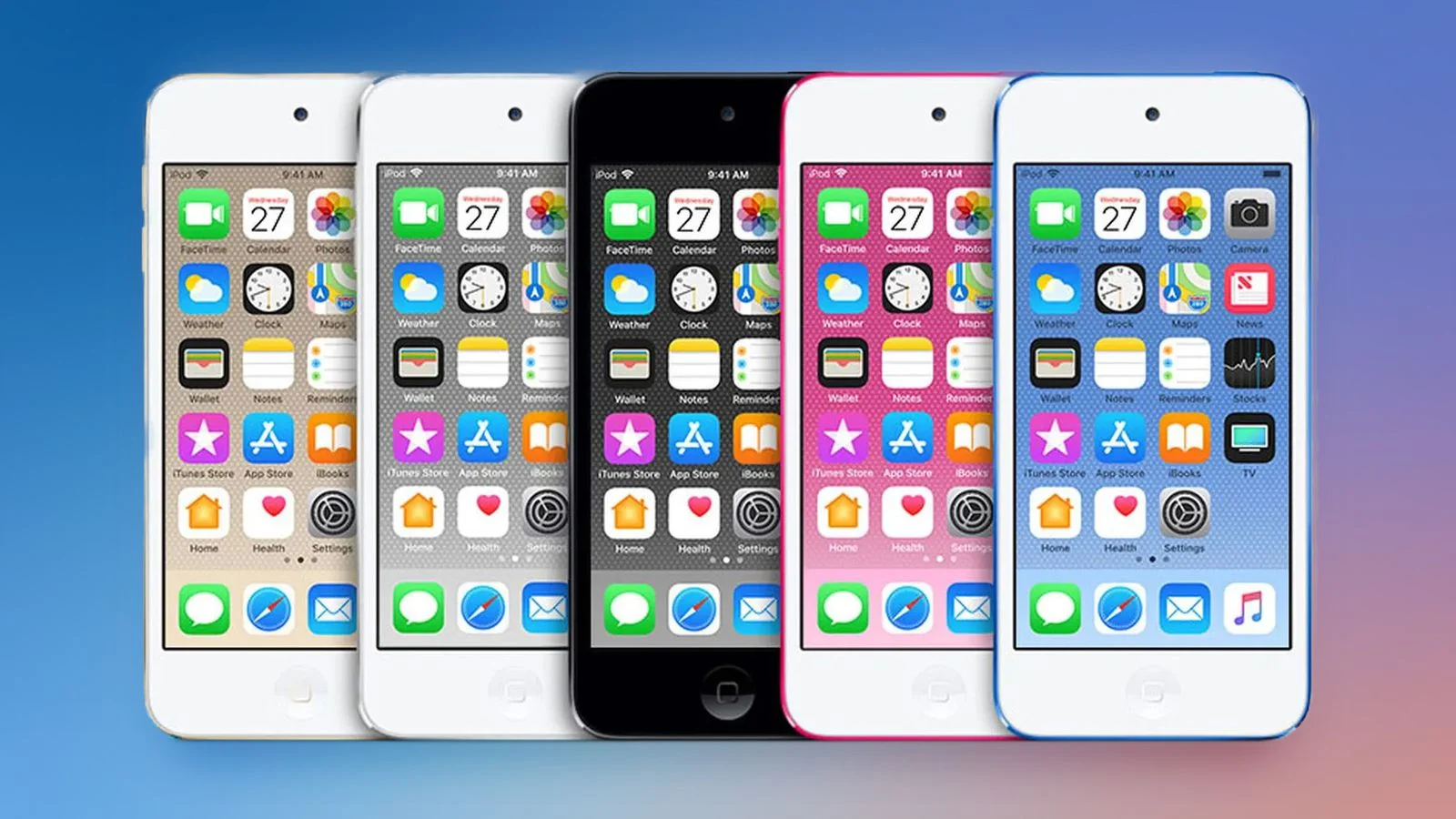
What began as an expensive niche accessory evolved into a global phenomenon that transformed the digital music industry and established the blueprint for hardware, software, and digital service integration. By anchoring music consumption to proprietary software and sleek pocket hardware, the device paved the strategic and financial path for the subsequent launch of the iPhone, the iPad, and the modern Apple ecosystem.