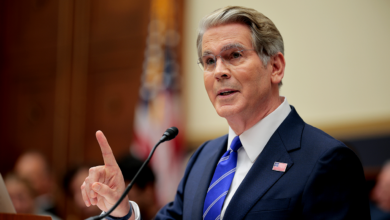
Israeli Prime Minister Benjamin Netanyahu faces a precarious political future as exit polls from Tuesday’s national elections suggest a significant shift in the country’s legislative landscape. While Mr. Netanyahu’s Likud party remains the largest single faction in the Knesset, a consolidated opposition bloc and a record-breaking surge in Arab voter turnout have left the longtime leader without a clear path to a majority government.
These elections, held on October 27, 2026, marked the first time Israeli citizens headed to the polls since the devastating October 7, 2023, Hamas attack and the subsequent protracted conflicts. The gravity of the moment was reflected in a turnout of 77.7%, the highest participation rate recorded in a parliamentary vote since 1999. Early projections from Israel’s three major television stations indicate that neither the incumbent’s coalition nor the opposition bloc has secured the 61 seats required for a majority in the 120-seat parliament.
The exit polls suggest that an opposition bloc led by Gadi Eisenkot, the former military chief of staff and head of the center-right Yashar party, could secure 52 or 53 seats. In contrast, Mr. Netanyahu’s bloc—comprised of Likud alongside religious nationalist and ultra-Orthodox parties—is projected to hold approximately 50 seats. The Likud party itself is expected to take between 24 and 25 seats, outperforming some late-campaign polling but failing to deliver a decisive victory for the Prime Minister.
Following the release of the projections, Mr. Eisenkot addressed the public, stating that the results demonstrated “an absolute lack of confidence in Netanyahu and the government responsible for October 7 among the majority of Israeli citizens.” Mr. Eisenkot’s campaign focused heavily on a return to institutional respectability and a promise to steer the country toward a new strategic course.
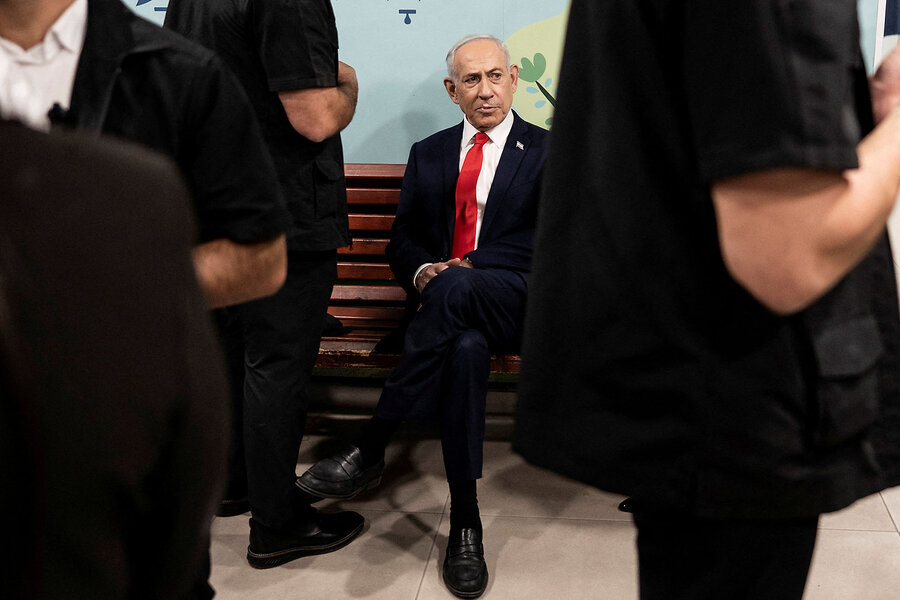
However, senior members of the current government were quick to downplay the initial figures. Foreign Minister Gideon Sa’ar, a high-ranking Likud member, cautioned on social media that the “celebrations on the left are premature.” The official tally is expected to take several days, with results trickling in overnight and a final count potentially not available until Friday.
A defining feature of this election was the mobilization of Israel’s Arab citizens, who represent roughly 22% of the population. The Joint List and the Islamist Ra’am party are projected to win an unprecedented 17 or 18 seats. This surge was particularly visible in communities such as Rahat and Sakhnin, where turnout reportedly reached 80%. Analysts and activists attributed this high participation to a backlash against rising violent crime in Arab sectors and the policies of Itamar Ben Gvir, the current minister of public security. Yousef Jabareen, head of the Joint List, stated that the exit polls made it clear that “this radical government cannot continue.”
The election functioned largely as a referendum on Mr. Netanyahu’s leadership and his handling of the events surrounding the 2023 attacks, which resulted in the deaths of approximately 1,200 people. For over three years, Mr. Netanyahu has faced criticism for his refusal to establish a state commission of inquiry into the intelligence and security failures that preceded the attack. To bolster his standing, the Prime Minister’s campaign prominently featured images of former U.S. President Donald Trump, who provided an endorsement just a week before the vote.
As the country awaits the official results, the prospect of a prolonged political deadlock looms. If neither side can form a stable coalition, Israel could face a return to the cycle of repeat elections that dominated its political landscape just a few years ago. The central question remains whether a diverse opposition can unite to unseat the country’s longest-serving prime minister or if the current administration will find a narrow path to retain power through post-election negotiations.