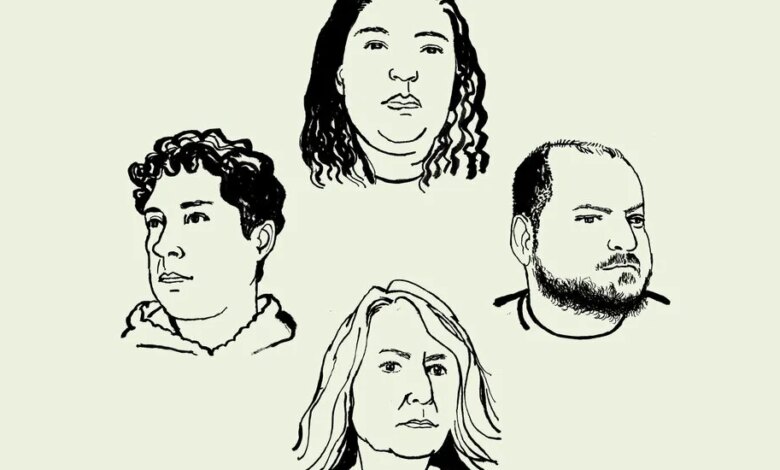
Thirteen Iowa Republican and independent voters expressed mixed emotions, economic anxiety, and widespread frustration with negative political advertising as they navigate a highly competitive midterm election cycle featuring open races for both U.S. Senate and governor.
Participants in the voter group reported feeling uncertain about their choices or disappointed with national leadership, reflecting the pivotal up-for-grabs electorate that both major political parties need to secure victory. While the state has not elected a Democrat to the Senate or governorship since the 2000s, this year’s contests have drawn heavy national attention and outside spending.
Economic pressures dominated the conversation among the participants. Voters repeatedly cited the rising costs of fuel, groceries, and general inflation, alongside concerns over property taxes and the ripple effects of global conflicts on household budgets. Several participants also raised local issues, pointing to increasing cancer rates in Iowa, water quality concerns related to agricultural nitrates, and the rapid expansion of data centers in farming communities without clear answers on responsible water usage.
Public education emerged as another major flashpoint. Multiple parents described a significant decline in classroom discipline and overall educational standing within the state’s public school system, with some noting severe classroom disruptions and others turning to homeschooling. Meanwhile, participants voiced sharp dissatisfaction with the tone of the campaigns, criticizing candidates for relying on relentless negative attack ads rather than substantive policy proposals or concrete plans for governing.
In the high-stakes Senate contest, voters weighed the records of Republican candidate Ashley Hinson against Democratic challenger Josh Turek. Discussions touched on Hinson’s background as a former state legislator and television anchor, alongside voter questions regarding her campaign finances and legislative record. Turek, a state legislator who uses a wheelchair, drew mixed reactions from participants unfamiliar with his full platform, though some expressed appreciation for his underdog status.
In the gubernatorial race, voters evaluated Republican candidate Zach Lahn and Democratic state auditor Rob Sand. Sand received positive remarks from several participants for his active role in uncovering state government fraud and his focus on public school improvements, though some conservative voters questioned whether his policy positions aligned too closely with the progressive wing of his party. Lahn faced scrutiny from some participants over his residency and time split with Kansas, though other voters noted he defended his arrangement due to family commitments.
Reflecting the broad disillusionment with national politics, the voters expressed widespread skepticism toward the federal government and political polarization. Many participants indicated they were considering splitting their ballots between parties or were still undecided as they weighed candidate integrity, local economic conditions, and the potential impact of future governance on their families and communities.