CLIFTON, New Jersey — Republican aspirations to build a lasting foothold in a heavily Hispanic corner of New Jersey have largely evaporated, two years after Donald Trump carried the district in a major electoral shift. With less than two weeks remaining until Election Day, the race to unseat Democratic Rep. Nellie Pou has seen minimal financial commitment from national Republicans, who have pulled back on original ad reservations as polls show Hispanic voters slipping further away from the GOP.
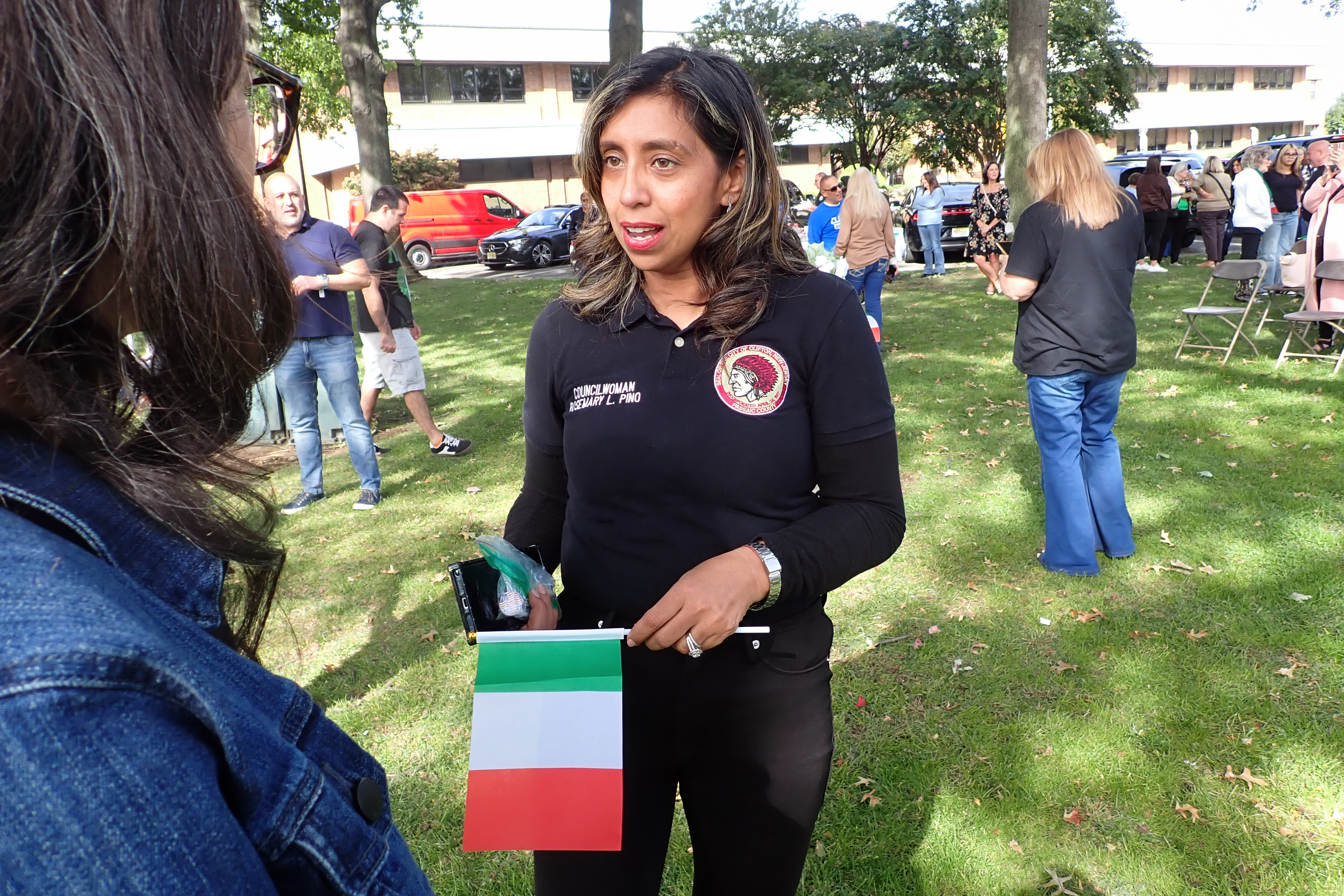
That dynamic has left Pou on a glide path to reelection in her Paterson-based district. The shift has put Republican nominee Rosie Pino in a difficult political position, forcing the Clifton city councilwoman to openly criticize the administration’s immigration crackdown while simultaneously arguing that her Democratic opponent should have done more to push back against federal orders.
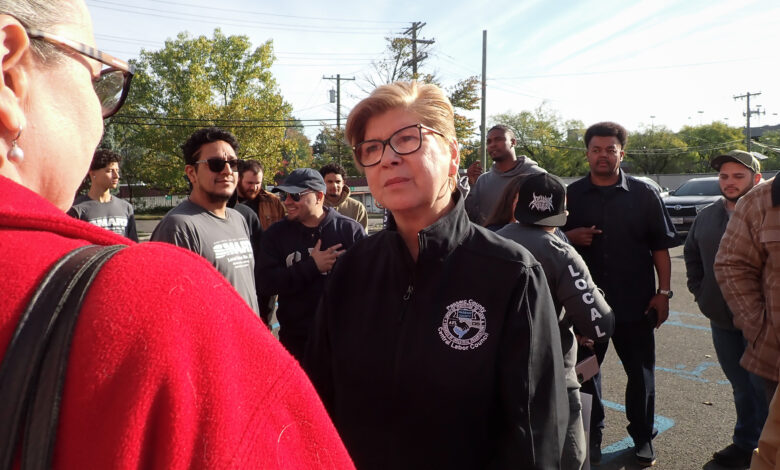
“I’m not going to gaslight my community, because I don’t like to get gaslighted myself,” Pino told reporters after a flag-raising ceremony in Clifton. “I see what I see, and unfortunately some of the ways that the administration is bringing down orders to ICE and the lack of training within the department — it’s not OK.”
Pino represents an unusual profile for a GOP candidate. The daughter of Ecuadorian immigrants, a matriarch of a blended family of 11 children, and a former Democrat who switched parties just a few years ago, Pino won a narrow June primary after defeating the party establishment’s preferred choice, Tiffany Burress. Pino’s campaign has been marked by ideological contradictions; last November, she voted for a Clifton city resolution supporting New Jersey’s Immigrant Trust Act, which limits local law enforcement cooperation with federal immigration authorities, despite pushback from D.C. consultants. Yet earlier this year, she also spoke at a pro-ICE rally outside the Delaney Hall detention center in Newark, stating that communities must support law enforcement.
Republicans originally targeted Pou as one of the most vulnerable Democrats in the country after the 2024 election. Unlike many of her party colleagues in Trump-won districts, Pou joined the Congressional Progressive Caucus and voted against the Laken Riley Act, an immigration enforcement bill passed early in Trump’s term. Republicans predicted those votes would sink her, but Pou argues they have instead resonated with her constituents, many of whom are immigrants or have family members and friends who are.
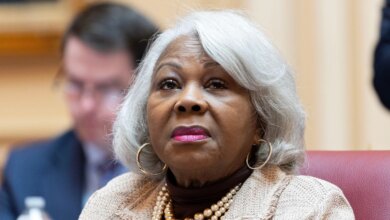
“He has caused a great deal of turmoil throughout the country,” said Pou, New Jersey’s first Latina member of Congress. “Certainly, my community, my district, my constituents are feeling it, and they are absolutely changing their position as a result of that.”
Public opinion polling indicates that a broader shift may be underway. A poll conducted in August found that 50% of Americans viewed the administration’s deportation campaign as too aggressive, including 22% of voters who supported Trump. Analysts note that visible enforcement actions, such as spring protests outside the Delaney Hall detention center in Newark and a proposed detention facility in Roxbury, have brought the debate directly into suburban neighborhoods.
The political environment in Passaic County has swung back toward Democrats significantly since 2024. Last year, Democratic Gov. Mikie Sherrill carried Clifton by a 61% to 38% margin, vastly improving upon past performance in Hispanic areas across the state. Financial disparities have further widened the gap between the two campaigns; Pou has raised more than $3 million compared to Pino’s $540,000, maintaining a consistent advertising presence in the district.

Political strategists and pollsters suggest that the Republican gains in 2024 were an anomaly rather than a permanent realignment. As the electorate responds to federal policies on the ground, the 9th District has largely fallen off competitive national target lists.