
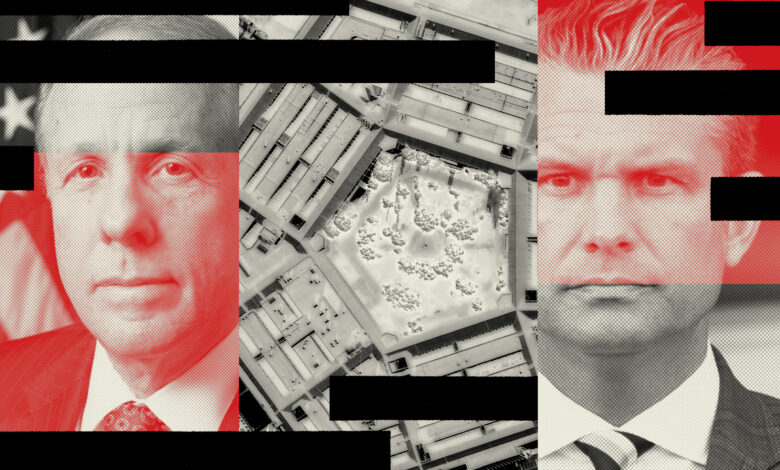
The Department of Defense has quietly established a specialized covert agency aimed at disrupting and sabotaging foreign technology programs that pose a threat to American military superiority. Known internally as the Technology Support Office, the agency was formed to scale up clandestine operations such as cyberattacks, supply chain disruptions, and disinformation campaigns abroad.
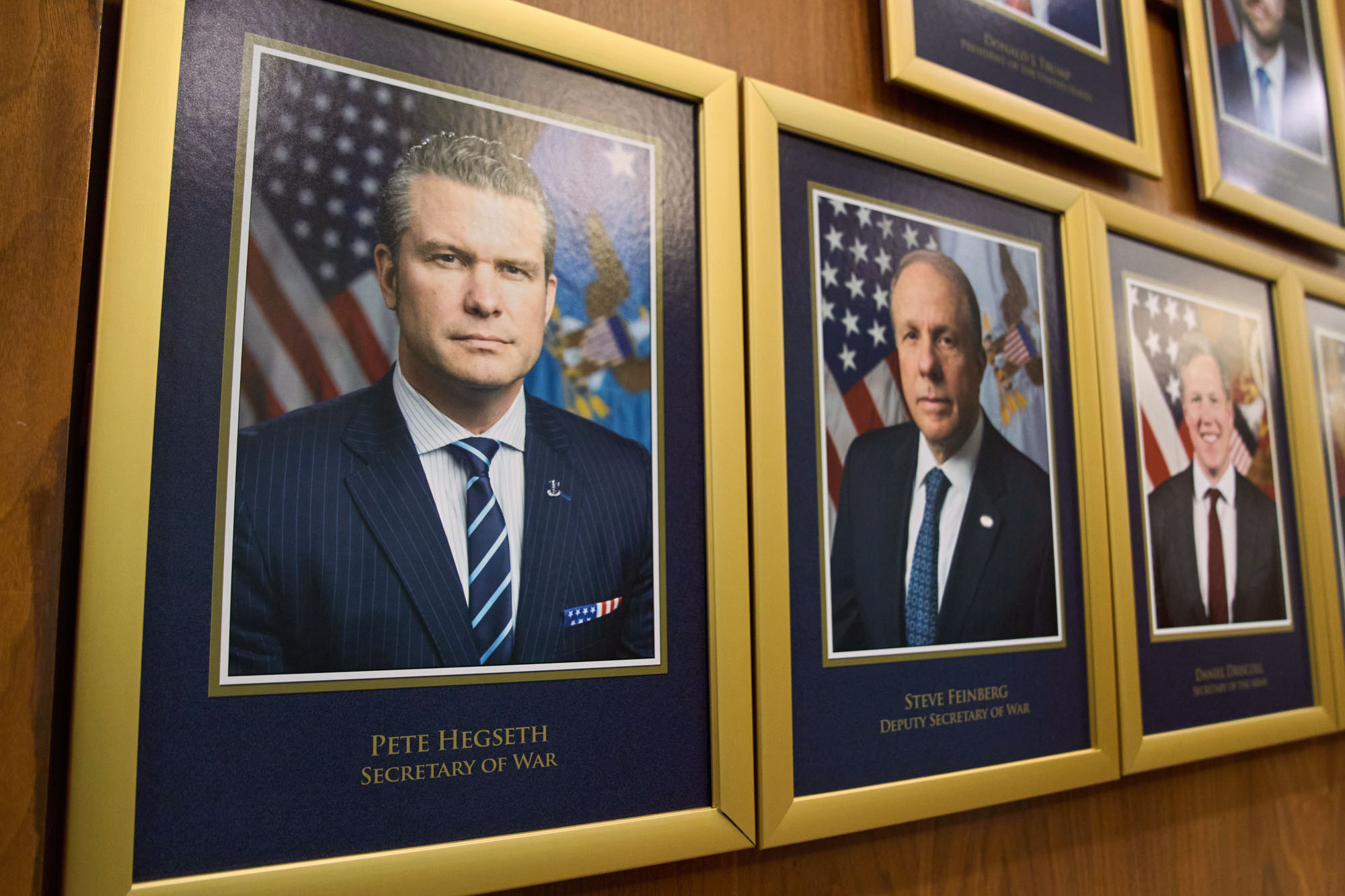
Defense Secretary Pete Hegseth and Deputy Defense Secretary Steve Feinberg rapidly organized the initiative this spring without public announcement. The leadership largely constructed the office by reorganizing two pre-existing classified Pentagon intelligence programs that had conducted smaller-scale technical sabotage since 2023. Information regarding the office is absent from public Defense Department websites and appears only in select internal historical records and memoranda.
Deputy Secretary Feinberg spearheaded the push to create the unit, backed by senior adviser and veteran CIA clandestine service officer Tom Rakusan. Leadership appointed former Marine Corps special operations officer Grant Hundley to serve as the agency’s director, while career Army official William Nelson was selected to oversee the office internally from the Office of the Undersecretary of War for Intelligence and Security.
The agency operates under the authority, direction, and control of the Undersecretary of War for Intelligence and Security, following an administrative memo signed by Feinberg on April 14. Planning for the office began in early 2025 through a white paper drafted within the intelligence and security office, which evaluated existing programs and recommended consolidating them into an independent entity equipped with its own budget and procurement powers.

While the office lacks direct legal authority to conduct clandestine missions independently, it collaborates with senior military and intelligence officers to engineer bespoke hacking tools and deceptive operations designed to introduce faulty components into foreign weapons platforms. Officials estimate that the agency’s classified contracting budget alone exceeds $1.5 billion, with leadership actively seeking advanced capabilities from private defense contractors.
The initiative has generated friction within the military establishment. U.S. Cyber Command and Special Operations Command both opposed the creation of the new office over concerns that it would encroach on their operational budgets and authorities. Disagreements over the new structure contributed to the recent departure of Khoi Nguyen, Cyber Command’s chief acquisition officer.
Beyond offensive operations, the office aims to streamline technology utilization and reduce administrative hurdles across siloed intelligence programs by building a central catalog of approved commercial artificial intelligence and technical tools for classified initiatives.
The operation’s secrecy has raised concerns among critics and select national security officials regarding congressional oversight and potential conflicts of interest. While the Pentagon has briefed a limited number of congressional staffers on the initiative, skeptics argue that the classified nature of the work creates opportunities to obscure activities or direct contracts toward political allies. Particular scrutiny has been directed at Feinberg due to his past leadership in private equity and venture capital firms with investments in defense technology companies.

Deputy Pentagon Press Secretary Jacob Bliss strongly rejected criticisms regarding transparency and ethics. Bliss stated that the reporting on the agency relies on inaccurate information and emphasized that the Department of Defense maintains a rigorous ethics framework encompassing financial disclosures, divestitures, and screening mechanisms to prevent conflicts of interest. Bliss added that the department values its relationship with Congress and will continue cooperating with relevant committees to fulfill oversight responsibilities.