
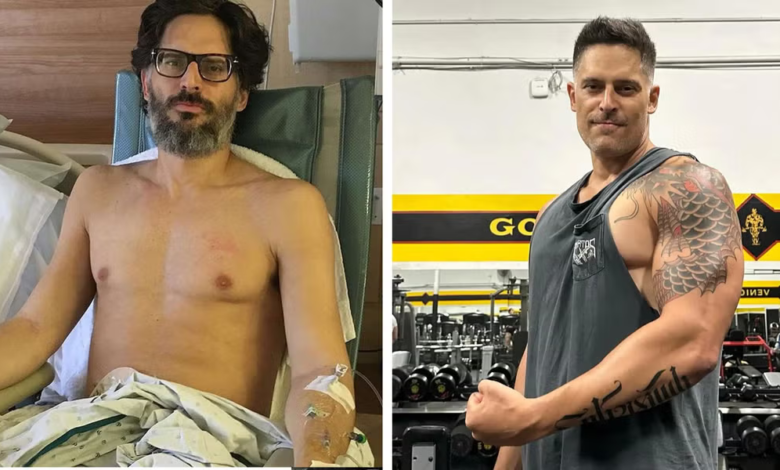
Actor Joe Manganiello is widely recognized for his muscular physiques in prominent roles across film and television, but a recent health ordeal forced the 49-year-old to rebuild his physical strength from absolute zero. In his new memoir, Bloodlines, and during a recent podcast appearance, Manganiello detailed a grueling seven-year health battle marked by a mystery autoimmune illness, major intestinal surgery, and a staggering 30-kilogram weight loss.
At the height of his medical struggles, even routine actions like sitting up in a chair or walking presented significant challenges. Deadlifting while managing an ostomy bag required an entirely new approach to physical capability. Rather than dwelling on past athletic standards or trying to immediately match former personal bests, his recovery process began with foundational movements like standing, walking, and simply re-learning how to control his body.
Drawing from his rehabilitation experience and subsequent interviews, the actor’s journey highlights several principles for physical recovery and training later in life. A central lesson involves respecting one’s current capacity. Whether returning from a severe medical event or a standard layoff from the gym, experts and experienced trainers note that past personal records should not dictate immediate expectations.
Gradual progression with careful self-assessment proved critical during his recovery. As his appetite returned and he began reintroducing training, he relied on a methodical approach of increasing intensity and observing how his body responded. This strategy emphasizes that effective training is less about enduring maximum workloads and more about managing how much physical stress the body can successfully recover from.
Maintaining patience during warm-ups formed another vital pillar of his physical restoration. Acknowledging that enthusiasm often outpaces actual physical readiness, he stressed the necessity of checking one’s ego at the door. Rushing through preparation phases to reach heavy working weights increases the risk of setbacks, whereas using early sets to assess mobility and tightness allows for safer training adjustments.
Beyond physical rehabilitation, shifting his training motivation played a major role in his progress. Freed from the aesthetic demands of specific acting roles, he directed his focus toward raw strength milestones, eventually achieving significant lifts including a 400-pound deadlift and a 300-pound squat—equivalent to roughly 180 kilograms and 135 kilograms respectively.
Reflecting on the psychological and emotional benefits of physical fitness, Manganiello described the gym as a dependable cornerstone of his life. While aesthetic improvements often motivate people to start training, recognizing secondary rewards—such as mental clarity, the enjoyment of movement, and consistent routines—helps sustain long-term engagement, particularly during difficult periods of physical rebuilding.


