

While mainstream app stores handle everyday banking and streaming software, a quieter corner of the Android ecosystem thrives on system utilities, debloaters, package managers, and tweakers living off the beaten path. Discovering and maintaining those tools has historically meant scouring GitHub, GitLab, F-Droid, Codeberg, and various developer forums. A specialized utility called ShizuStore now offers a centralized catalog for these advanced projects, organizing a segment of Android software that relies heavily on elevated system permissions.
At the core of many applications in this space is Shizuku, a tool that starts a privileged service through ADB or root access, allowing compatible apps to call Android APIs that are normally restricted. On unrooted hardware running Android 11 or newer, Wireless Debugging provides the entry point. Setting up the environment on devices like a Samsung Galaxy S24 Ultra typically requires enabling Developer options, launching Wireless Debugging, pairing the service, and granting ShizuStore access.
Because Wireless Debugging does not create a permanent fixture on unrooted phones, the Shizuku service usually needs to be restarted following a reboot. Manufacturers can also introduce quirks during the pairing process, making official setup guides a necessary companion. Once running, ShizuStore leverages Shizuku for silent software installations. However, applications installed through the store do not automatically inherit permissions; tools like the Essentials app require their own separate Shizuku authorization before unlocking privileged features.
ShizuStore aggregates categories familiar to power users, spanning software management, Quick Settings, networking, automation, file handling, power controls, task management, privacy protection, and One UI customizations. Among the catalog entries is Canta, an application that utilizes Shizuku to uninstall user and preinstalled system packages without root access by pairing with the Universal Debloat List. Another utility, Hail, allows users to suspend, freeze, or disable apps across multiple privilege modes.
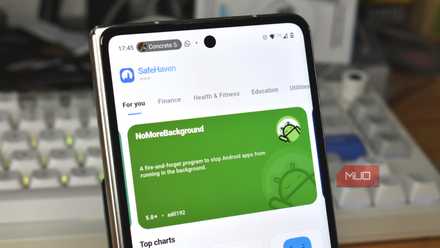
Rather than rehosting software, ShizuStore fetches APK files directly from each developer’s upstream source and maintains a link to the project for future updates. Users can configure checks for new releases ranging from every six hours to once a week, restrict background checks to Wi-Fi networks, and automate updates. The platform also integrates safety and transparency features, including a panel that explains how an app uses Shizuku based on its public source code, and integration with the Exodus Privacy tracker list to flag embedded advertising or analytics libraries, such as identifying Sentry within the Essentials app.
By keeping track of upstream repositories, changelogs, repository statistics, and permission lists in one interface, ShizuStore attempts to remove the guesswork from managing side-loaded applications. As platform operators tighten sideloading restrictions, tools designed to catalog and maintain open-source and power-user utilities provide a clearer trail back to original developers while preserving advanced device control.


