Centenary of Houdini’s Final Escape and Historic Metropolitan Opera Premiere Headline Cultural Milestones


A series of major cultural milestones and historical retrospectives are taking center stage this week, anchored by the 100th anniversary of the death of Harry Houdini and a historic shift at the Metropolitan Opera. From the enduring mystery of the world’s most famous escape artist to the first woman ever to lead an opera premiere at the Met, these developments offer a deep look into the intersections of history, art, and the human condition.
Harry Houdini, arguably the greatest escape artist in history, died 100 years ago this Halloween. At age 52, the man who spent his life performing the seemingly impossible—escaping from handcuffs, leg irons, and water-filled chambers—finally succumbed to a fate he could not outrun. While his stage persona was built on daredevil stunts, his later years were equally defined by a crusade against the supernatural. Houdini became a prominent debunker of spiritualism, exposing the methods of fake mystics and fraudulent seances that claimed to connect the living with the dead. A century after his passing, the specific circumstances of his death remain a subject of fascination, further burnishing his legacy as a man who constantly cheated death until the very end.
Simultaneously, the world of high culture is marking a breakthrough at the Metropolitan Opera. Missy Mazzoli has become the first woman to have an opera premiered by the storied institution. Her work, “Lincoln in the Bardo,” is based on the award-winning novel by George Saunders and features a libretto by Royce Vavrek. The production centers on Abraham Lincoln as he mourns the loss of his 11-year-old son, Willie, who is depicted in a “bardo”—a threshold state between life and death. Mazzoli, whose creative roots are found in the energy of punk rock and the visual language of early MTV music videos, brings a modern sensibility to the traditional operatic form, marking a significant evolution in the Met’s history.
In the realm of cinema and military history, director Peter Berg is bringing the human cost of World War II to the screen with “The Mosquito Bowl.” The Netflix film dramatizes the true story of All-American college football stars who volunteered for the Marine Corps following the attack on Pearl Harbor. These young athletes, trained for the gridiron and later for the battlefield, eventually fought in the Battle of Okinawa, which remains the last and deadliest clash of the Pacific theater. The project examines the transition of these men from elite sportsmen to soldiers facing the harshest realities of war.

The arts are also celebrating the career of Parker Posey, the actress who rose to prominence in the 1990s as the “Queen of the Indies” with breakout roles in films like “Party Girl.” Posey’s career continues to expand, recently earning an Emmy nomination for her performance in “The White Lotus.” Her current work includes the Martin McDonagh film “Wild Horse Nine,” and she remains a distinct voice in the industry, often citing her Southern upbringing and the influence of her parents as the foundation for her character-driven acting style.
Urban environments are also being examined through the lens of “ghost signs”—the faded, painted advertisements that remain on old buildings long after the businesses they promoted have vanished. Marketing expert Ronald Ladouceur and artist Craig Winslow are highlighting these remnants, such as the Duluth Imperial Flour sign in Little Falls, New York, as haunting reminders of industrial history. While many of these signs are slowly disappearing, efforts to document and digitally revive them are bringing these outdoor artifacts back to public attention.
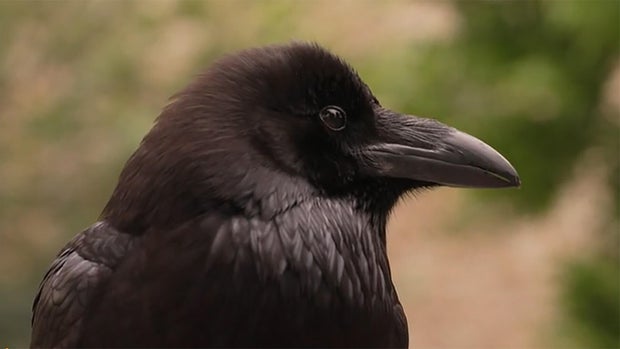
In London, ancient tradition continues to dictate the security of the British monarchy through the care of the Tower of London’s ravens. A long-standing legend suggests that if the ravens ever leave the Tower, the monument and the monarchy itself will fall. The designated “Ravenmaster” remains responsible for the welfare of these birds, ensuring they stay within the grounds of the historic fortress.
This week also focuses on the complexities of the American legal and carceral systems. A series of deep dives into prison life explores diverse perspectives, from a prison podcast titled “The Q” and the traditions of prison rodeos to the personal stories of those at Alcatraz. These reports touch on the invisible workforce of prison labor, the impact of the coronavirus pandemic on incarcerated populations, and unique programs like a zoo for rescued animals managed beneath a Key West jail. These stories collectively examine the lives of those inside, including efforts at rehabilitation and the unexpected connections formed behind bars, such as the story of a judge who chose to spend a night in jail with a man he had sentenced.