
Hedge funds and leveraged traders have significantly ramped up their bets against the euro, pushing bearish wagers to their highest levels since the onset of the global pandemic in 2020. This shift in market sentiment comes as deepening political instability in France roils European bond markets and casts a shadow over the Eurozone’s broader economic outlook.
According to data from the Commodity Futures Trading Commission (CFTC) for the week ending October 20, 2026, net short positions on the euro rose by 1,305 contracts, reaching a total of 94,138. This represents the largest volume of bearish contracts held by speculators since March 2020. In monetary terms, these leveraged wagers against the common currency now total approximately €11.8 billion, or roughly $13.2 billion.
The primary catalyst for this bearish surge is the escalating crisis in France. The country has become the focal point of European market anxiety as lawmakers struggle to address a mounting national debt burden. The fiscal pressure has been compounded by civil unrest, with protesters repeatedly clashing with police over the rising cost of living. With the French government bracing for further conflict over the coming weekend, investors have grown increasingly wary of the potential for prolonged political deadlock or further economic disruption in the Eurozone’s second-largest economy.
This domestic turmoil in France is feeding into broader concerns regarding the European Central Bank’s (ECB) policy trajectory. Speculators, who have maintained a generally bearish stance on the euro since February, are now questioning whether the current economic instability will force the ECB to rethink its interest rate strategy. The uncertainty surrounding future rate hikes, contrasted with the higher interest rate environment in the United States, threatens to widen the rate gap between the two regions, further diminishing the euro’s appeal to international investors.
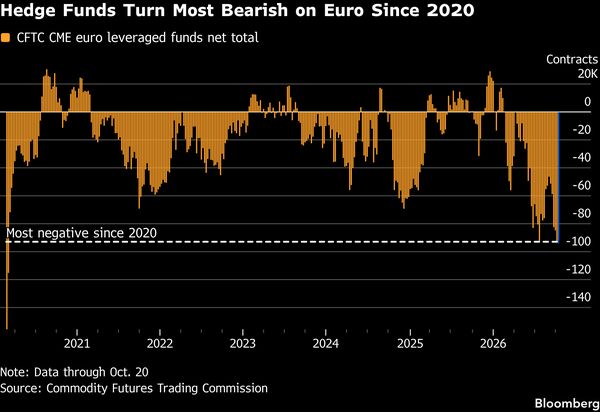
The impact of these concerns was clearly visible in recent currency performance. The EUR/USD pair weakened by 0.4% over the course of the week, resuming its downward trend after a brief pause in what has been a sustained decline. The euro is currently mired in a slump that has seen it lose ground in five of the last six weeks, as market participants continue to recalibrate their expectations for European growth and stability.