Haiti’s Provisional Electoral Council announced a fresh electoral calendar pushing the nation’s long-delayed presidential vote to July 18, 2027. The postponement means the Caribbean nation will go more than a decade without holding an election to choose its top leader, a stark acknowledgment of the persistent insecurity paralyzing the country despite two international military and police deployments.
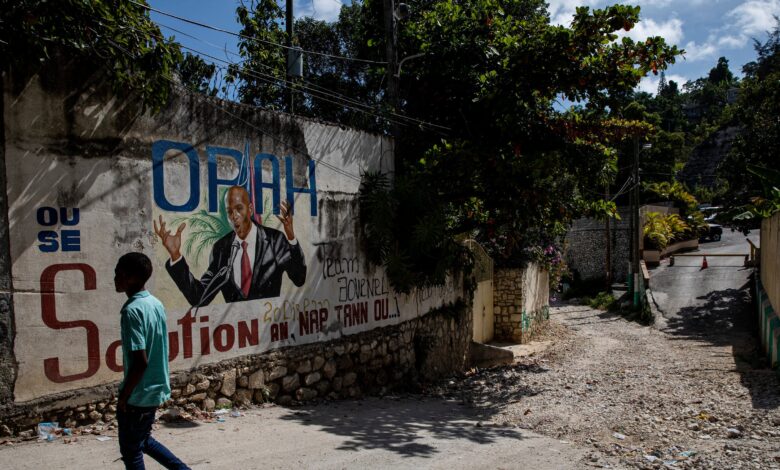
The announcement on Wednesday did not cite a specific reason for the delay. However, the decision follows the assassination of Haiti’s last elected president, Jovenel Moïse, in his home in 2021. An earlier election date had been scheduled for December, a timeline that many observers had viewed as unrealistic.
In the absence of an elected president, provisional governments have governed the country, which has seen three prime ministers take office since Mr. Moïse’s killing. Dozens of armed groups with thousands of members currently control large swaths of the capital, Port-au-Prince. More than 1.5 million people have been forced to flee their homes, leaving many communities deserted and making voting there virtually impossible. Gangs also occupy major roadways, creating immense logistical hurdles for transporting ballots. Officials note that only candidates who can afford helicopters would be able to bypass gang checkpoints on major highways to campaign outside the capital.
Voter registration has likewise lagged severely. While 6.2 million people were registered in the last election, only 900,000 have registered so far, and millions lack the necessary voter ID cards.
The security crisis prompted the Salvadoran government to send more than 2,000 troops to Haiti in an effort to wrest control from the gangs and help locate four Salvadoran soldiers who went missing on Oct. 18. The missing soldiers were part of the United Nations-backed Gang Suppression Force, which arrived in April but has struggled to reach its expected troop levels. Some of the newly arrived Salvadoran personnel have joined the U.N.-backed mission, roughly doubling the total number of international troops currently on the ground.
The security environment has sharply divided opinion over how to proceed. The U.S. government had urged officials to organize a vote, with former senior State Department official Michael Kozak testifying before a House committee earlier this year that an imperfect election was still necessary to restore an elected government. Conversely, candidates reported feeling too unsafe to campaign in person, relying instead on video conferences to hold rallies.
Bill O’Neill, the United Nations human rights expert on Haiti, warned that the essential conditions for a free election—such as freedom of movement and expression—do not exist. He noted that approximately 60 percent of the voting population lives in territory controlled by gangs.
It is impossible to campaign, hold rallies or even open polling places in these areas without approval by the gangs, Mr. O’Neill said, adding that in such circumstances, armed groups could manipulate the outcome to ensure the victory of controlled candidates, resulting in a catastrophe.