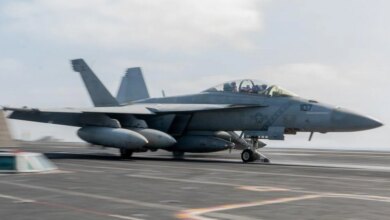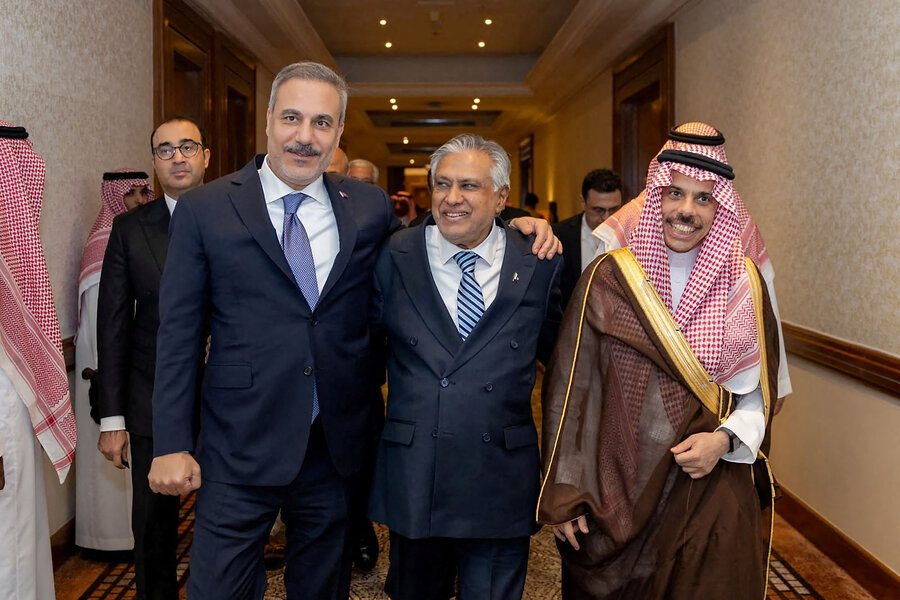
Skies and territories across the Persian Gulf have become a focal point for international military cooperation as regional governments seek alternatives to a security architecture centered on the United States. With British and French warplanes operating overhead, and troops, advisers, and anti-drone systems from Pakistan, Turkey, Italy, and South Korea deployed on the ground, Gulf Arab states are diversifying their alliances to weather ongoing conflict and build long-term defense autonomy.
The shift comes as regional leaders confront deep vulnerabilities exposed by the war with Iran, including heavy reliance on expensive defense systems to counter inexpensive drones, a lack of domestic interceptor manufacturing, and a U.S. partner whose strategic priorities increasingly diverge from those of the Gulf. Analysts note that while these new security partners cannot immediately replace Washington’s military umbrella, they offer a vital bridge toward self-reliance.
“The conflict has made diversification more urgent by demonstrating the risks of depending too heavily on any single security partner,” said Abdulaziz Sager, political analyst and chairman of the Gulf Research Center in Jeddah, Saudi Arabia.
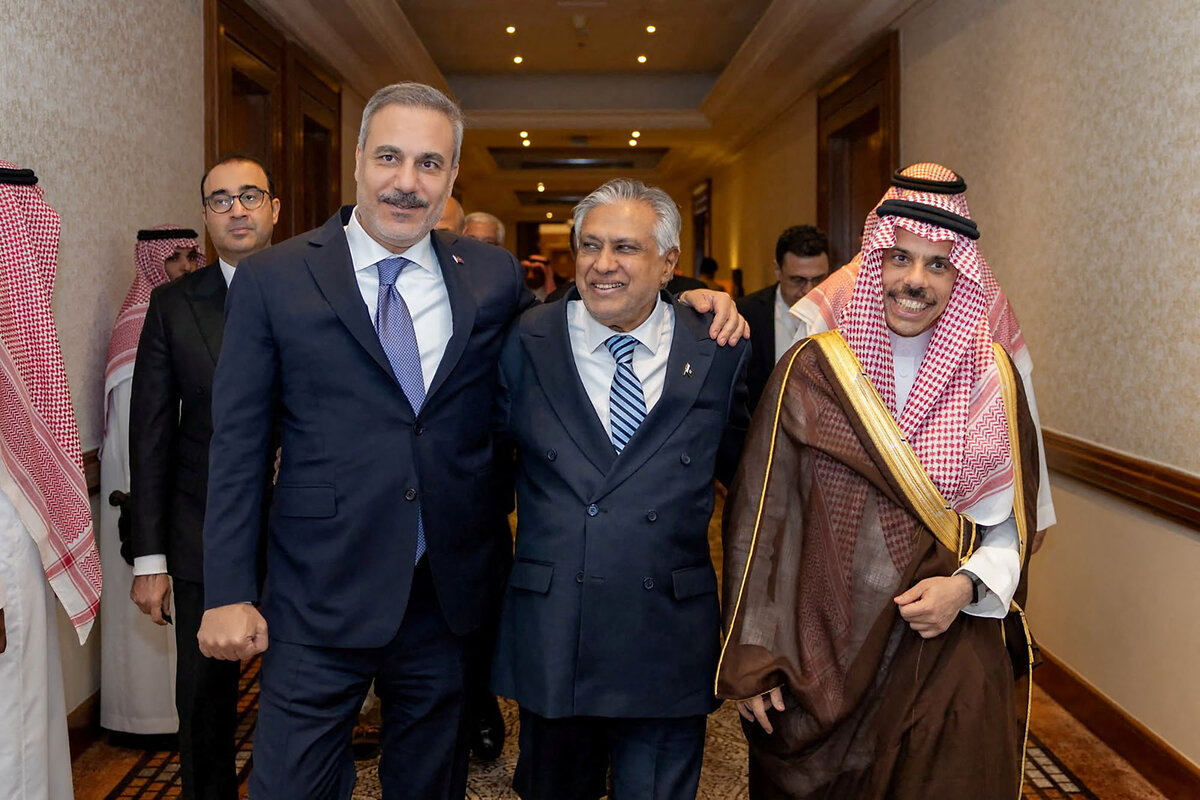
Practical cooperation has already yielded tangible results for several states. Following Houthi attacks on Saudi infrastructure in October, British and French air forces intervened to assist Saudi Arabia. Furthermore, the Mecca Pact—a mutual defense agreement signed in August by Saudi Arabia, Pakistan, and Turkey that treats an attack on one as an attack on all—has been activated. Turkey and Pakistan have dispatched troops, advisers, and anti-drone defenses to Saudi Arabia and Yemen’s Aden, while Egypt’s Parliament approved sending military personnel to the kingdom.

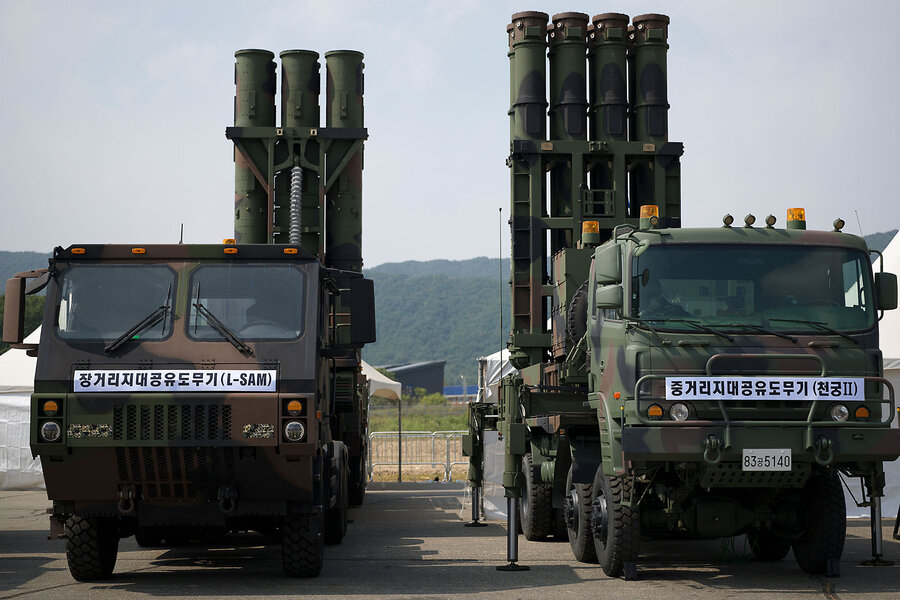
In the United Arab Emirates, South Korea dispatched emergency missile resupplies this spring for Cheongung-II medium-range surface-to-air missile batteries deployed to intercept incoming projectiles. Meanwhile, French, British, and Italian forces have taken up positions in Bahrain and Qatar.
Middle powers offer distinct advantages over traditional superpowers, according to regional experts. Beyond lower equipment costs, they provide accelerated innovation, technology transfer opportunities, and domestic production capabilities.
“They offer cheaper weapons, faster innovation, technology transfer, and local production,” said Hesham Alghannam, a Saudi political analyst and Carnegie Middle East scholar based in Riyadh. “Diversification makes Gulf security more sustainable and less dependent on Washington’s decisions.”
Frustration with Washington has mounted in regional capitals. While the U.S. recently moved to deploy an additional Patriot missile system to Israel ahead of renewed hostilities, Gulf officials report receiving no comparable enhancements for their own missile defenses, despite absorbing the brunt of Iranian military responses since the conflict began on Feb. 28.
“There is a deep-seated frustration with the U.S. not only for failing to heed Gulf advice, but de-prioritizing the defense and readiness of Gulf states compared to the American commitment to the defense and strategic depth of Israel,” said Hasan Alhasan, a senior fellow for Middle East Policy at the International Institute for Strategic Studies in Manama, Bahrain.
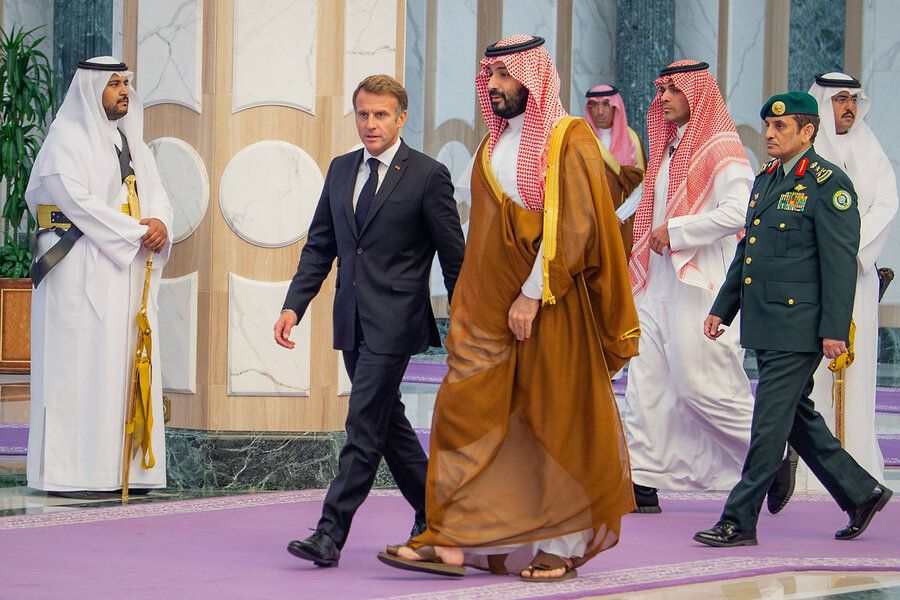
In contrast, partnerships with smaller middle powers are viewed as relations among equals, avoiding the hegemon-junior-partner dynamic that has characterized the region since World War II. Moscow has been dismissed by officials due to its preoccupation in Ukraine and outdated hardware, while China—though the primary buyer of Gulf oil—lacks the military compatibility and strategic trust offered by countries like Turkey and Pakistan.

Beyond troop deployments and hardware, the emerging network aims to establish indigenous defense manufacturing. The Mecca Pact facilitates the transfer of Turkish and Pakistani defense technology to Saudi Arabia, where Turkish firm Baykar plans to open unmanned aerial vehicle factories. Additionally, Qatar signed a defense agreement with Indonesia, Turkey, and Pakistan involving Turkish radar and electronic warfare expertise, Indonesian and Pakistani manufacturing, and Qatari investment.
Despite these advances, analysts caution that patchwork alliances cannot yet match the overarching intelligence and firepower of the U.S. military. Furthermore, the absence of a unified regional strategy means individual Gulf states are pursuing separate networks—with Saudi Arabia leaning toward Turkey and the UAE strengthening ties with Israel and South Korea—rather than building a collective deterrence framework.
As the region braces for potential escalation, the effectiveness of these new partnerships remains to be tested.
“I think a further round of hostilities will most certainly be a very strong test of these new relationships,” Dr. Alhasan said, “and what they can actually bring to the table.”