What Republicans initially envisioned as a celebratory cornerstone for the 2026 midterm elections has instead devolved into a potent political vulnerability. The One Big Beautiful Bill Act, signed into law in 2025 as the defining legislative achievement of Donald Trump’s second term, is driving voter alienation as the real-world effects of its sweeping tax and entitlement overhauls collide with everyday household finances.
When Congress passed the package through party-line votes, the immediate tax cuts took effect right away, while the most severe reductions to Medicaid and healthcare subsidies were timed to hit after the midterms. However, warnings preceded the enactment. Retiring North Carolina Senator Thom Cruis, who announced his departure after opposing the bill, warned at the time that the legislation would trigger political consequences mirroring the Democratic losses following the passage of the Affordable Care Act in 2010.
Those warnings are now reverberating across digital platforms and battleground districts. In the Kansas City metropolitan area, Children’s Mercy Hospital announced that families purchasing coverage on the Affordable Care Act marketplace will find the region’s only dedicated children’s hospital out of network beginning January 1. The announcement generated immediate viral attention, amplified by viral videos from local parents and influencers, including Kasey Jackson, a small business owner navigating leukemia treatments for her son.
The resulting fallout threatens incumbent Kansas Senator Roger Marshall, an OB-GYN whose re-election campaign has shifted to a toss-up according to the Cook Political Report. Polling from Emerson College indicates his Democratic challenger, Kansas City-area megachurch pastor Adam Hamilton, holds a narrow lead. Marshall’s medical background has also drawn scrutiny regarding a past practice that reportedly sued hundreds of patients over unpaid medical bills, a record that has been amplified in opposing campaign advertisements.
Republicans nationally have struggled to mount an effective defense of the law on television. According to data from AdImpact, GOP candidates in competitive races have aired only four television advertisements defending the legislation since its passage. Conversely, nonpartisan tracking from the Cook Political Report indicates Democrats are outspending Republicans significantly on the issue, making healthcare costs a central theme in dozens of House and Senate contests.
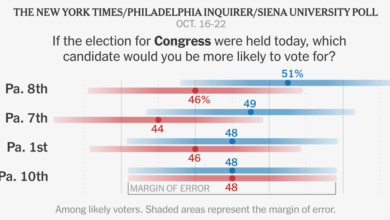
Public opinion polling consistently shows broad opposition to the law. A survey revealed that an overwhelming majority of voters understand the legislation and oppose its contents, while survey data from KFF shows opponents outnumbering supporters two to one. Attempts by the White House to rebrand the package as the “Working Families Tax Cuts” have failed to shift voter sentiment.
Beyond healthcare, the legislative fallout extends to nutritional assistance. Data published by the Center on Budget and Policy Priorities shows that approximately 5.5 million people, including about two million children, have lost Supplemental Nutrition Assistance Program (SNAP) benefits since July 2025. These reductions, described as the deepest in history, coincide with soaring grocery prices and stricter participation rules that have accelerated faster than initial Congressional Budget Office projections.
In response to mounting political pressure, the administration has launched countermeasures. Vice President JD Vance announced that the Centers for Medicare and Medicaid Services canceled ACA enrollments covering 760,000 individuals due to alleged fraud, a message that resonates strongly with Republican-leaning voters. Additionally, the administration began mailing one-time $500 checks along with a presidential letter to nearly one million enrollees in states utilizing HealthCare.gov, funded through accumulated marketplace user fees.
State-level budget pressures are exacerbating the crisis. Because the federal law shifts substantial financial burdens onto state governments over time, local lawmakers are implementing preemptive cuts. Colorado has reduced payments to doctors treating Medicaid patients to offset a $1.5 billion budget shortfall, while a Maine hospital has eliminated its labor and delivery unit in response to ongoing funding contractions.
As Election Day approaches, the convergence of rising insurance premiums, reduced hospital networks, and slashed nutritional assistance has turned the GOP’s signature legislative victory into a complex political challenge across competitive federal races.