French authorities successfully contained a second wave of nationwide protests on Saturday, deploying a massive security force to prevent a repeat of the looting and structural damage that rocked the country one week earlier. While the demonstrations, dubbed “Acte II” by organizers, saw hundreds of thousands take to the streets to voice grievances over education and labor policy, the government’s shift to a more aggressive security posture appeared to limit the scale of violence.
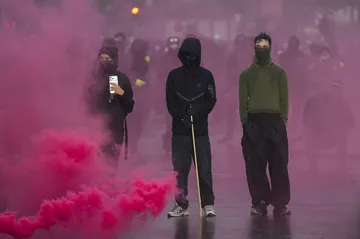
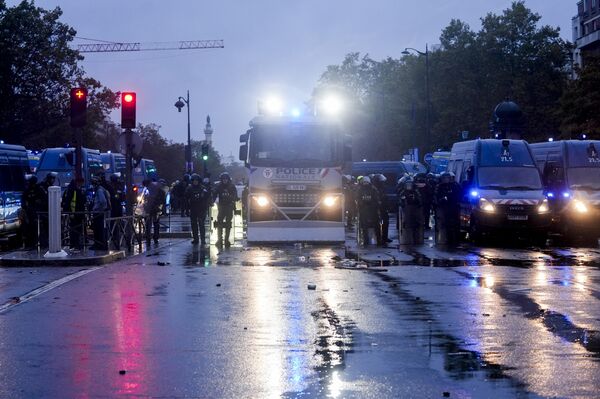
According to data from the Interior Ministry, approximately 110,000 people participated in a mostly peaceful demonstration on the outskirts of Paris, with another 300,000 marching in cities across the country. Labor leaders offered a much higher estimate, with the CGT union claiming a total turnout of 800,000 participants. The marches remained largely orderly, though scuffles broke out as the day progressed. Security forces used tear gas and water cannons to disperse groups of masked individuals, described by officials as ultra-left agitators, who clashed with police toward the end of the processions.
Interior Minister Laurent Nunez credited the reinforced security presence for protecting commercial districts that were devastated during the October 17 unrest. “All the warning signs were there so that we put in place a significant presence,” Nunez stated late Saturday. He noted that while violence against officers remained high, the strategic deployment prevented the widespread looting of shops and damage to public buildings seen previously. The government mobilized 70,000 security officials for the operation, including elite anti-terror units, armored vehicles known as Centaurs, and helicopter surveillance.
The heightened security followed an admission by President Emmanuel Macron earlier in the week that “planning failings and elements of surprise” had contributed to the chaos of the October 17 protests, which saw more than half a million people take to the streets. On Saturday, several cities implemented protest bans and extended curfews to maintain order. Cultural landmarks, including the Louvre Museum, were closed to the public, and major events, such as a football match between Paris Saint-Germain and Olympique Lyonnais, were postponed as a precaution.
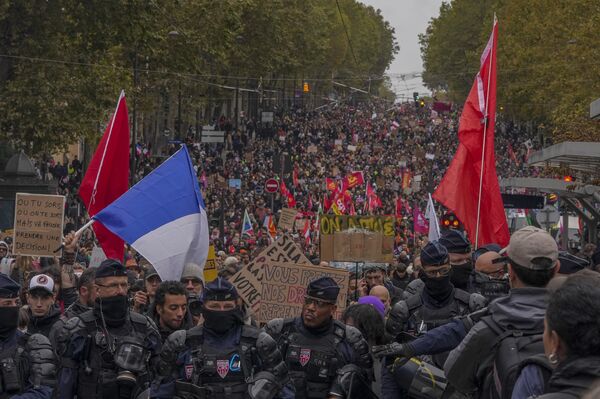
The current wave of unrest originated with high school students who began blockading schools last month. Their demands include a surge in hiring for teachers, urgent repairs to aging school infrastructure, and the abolition of Parcoursup, France’s computerized college admissions system. Nathanaël Combary, representing the Renouveau Lycéen high school union, indicated that students are prepared to maintain their pressure on the government. “The period of dialogue has lasted long enough,” Combary said, ahead of a scheduled meeting with Prime Minister Sébastien Lecornu on Monday. “We now expect action.”
Beyond student grievances, the movement has gained traction with labor unions and various social media-driven groups. The CGT has already pledged to expand the protests, calling for a major day of strikes and demonstrations on November 5. The union issued a statement describing the public’s anger as “immense” and urging the government to respond to social demands regarding wages and working conditions.
The political fallout of the unrest is becoming increasingly visible in national polling. An Ipsos-BVA-Cési survey published Saturday showed that while far-right leader Marine Le Pen remains the frontrunner for the upcoming April presidential election, Jean-Luc Mélenchon of the far-left France Unbowed party has seen a significant boost in support, moving into second place. Mélenchon has been a vocal supporter of the movement, urging the Macron administration to concede to protester demands or risk further escalation.
Economic concerns are also mounting as the unrest persists. The instability has already impacted France’s bond risk, which recently reached levels not seen since the euro-area debt crisis. While Moody’s Ratings declined to downgrade France’s credit rating late Friday, the agency issued a warning that continued protests could hinder the government’s efforts at fiscal consolidation. This fiscal pressure comes just as the country prepares to release preliminary third-quarter GDP data on Friday, with analysts projecting a marginal growth rate of just 0.1%.