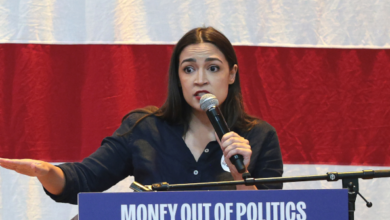
A high-profile clash has erupted in Florida’s political landscape as Representative Carlos Gimenez and other state leaders condemned U.S. Senate candidate Angie Nixon over her recent comments regarding the Cuban government. The controversy centers on whether Nixon, a Florida state representative and member of the Democratic Socialists of America (DSA), was sufficiently clear in identifying the island nation as a dictatorship.
The dispute began following a televised interview aired on Monday. When asked directly if she considers Cuba a dictatorship, Nixon responded by saying, “That is what people have told me. I have never been to Cuba, and so I will have to take their word for it.” The exchange immediately drew sharp rebukes from Cuban-American officials and those whose families fled similar regimes.
Rep. Carlos Gimenez, a Republican who fled Cuba’s communist regime with his family as a child, stated that Nixon’s refusal to provide an unequivocal personal assessment was an attempt to avoid acknowledging the reality of the island’s governance. He argued that there is no ambiguity regarding the nature of the state, which has been under communist rule since 1959. Gimenez asserted that Florida voters deserve leaders who stand for freedom and do not “whitewash the horrors of communism,” noting the decades of imprisonment and torture documented under the regime.
The interview sparked an immediate secondary controversy regarding its media coverage. Initial reports by a national news network characterized Nixon’s remarks as a refusal to answer the question. Nixon aggressively pushed back against this framing on social media, calling it a “serious failure of editorial reporting” and labeling the characterization as misinformation. The network eventually re-uploaded the footage and issued an apology for what it called misleading language.
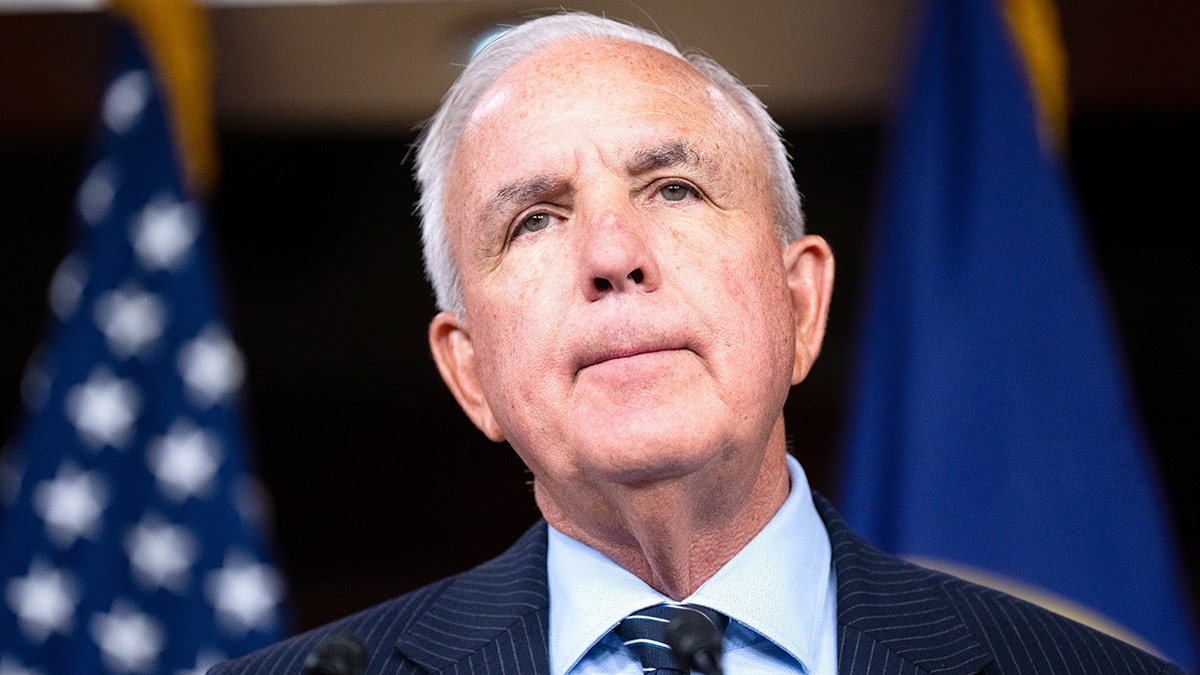
Despite the apology from the network, Republican lawmakers maintained their criticism of the candidate. Ian Vallecillo, a South Florida lawmaker whose family escaped the totalitarian regime in Nicaragua, described Nixon’s rhetoric as a sign of “ideological cognitive dissonance.” Vallecillo argued that acknowledging the Cuban dictatorship would force Nixon to confront what he called the failures of a Marxist system she appears to support. He suggested that her hesitancy to label the regime reflects a bias shared by fellow DSA members who have defended similar ideologies.
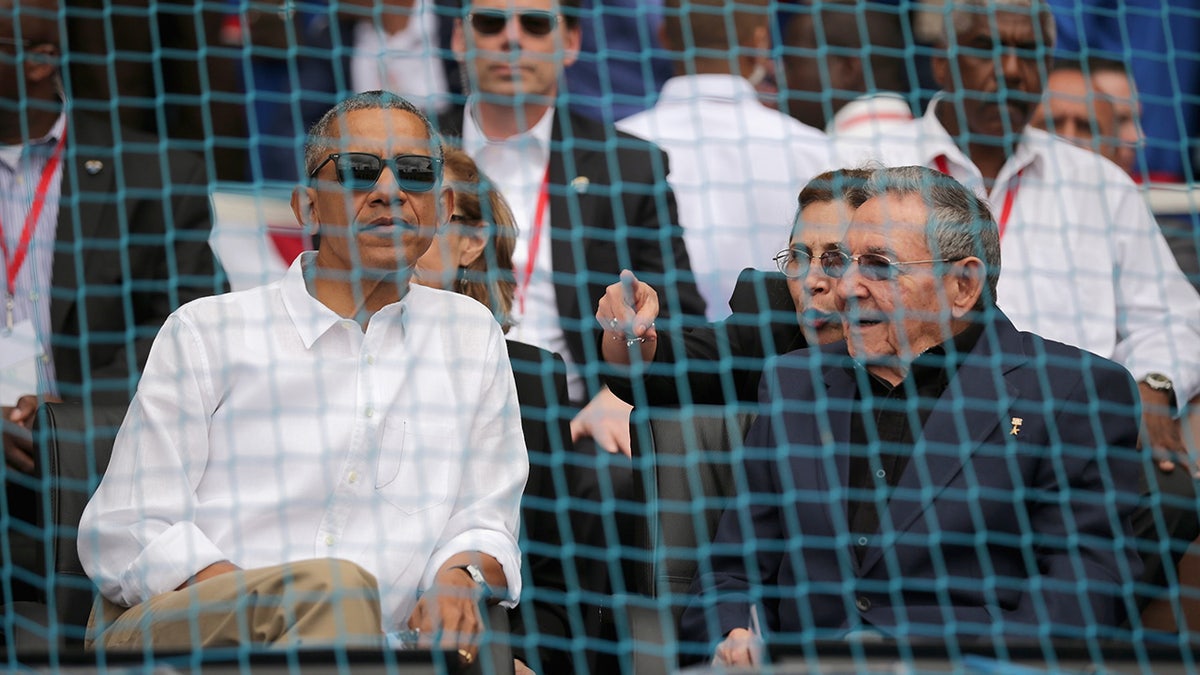
Nixon has focused her platform on a shift in U.S.-Cuba relations, specifically criticizing the long-standing economic embargo. During the interview, she expressed support for a return to the diplomatic policies of the Obama administration, which included restoring relations in 2014 and removing Cuba from the State Department’s list of state sponsors of terrorism in 2015. Nixon and her supporters argue that current U.S. policy contributes to the island’s deteriorating living conditions, including widespread electrical blackouts and critical shortages of medical care.
However, opponents of this shift point to the economic structure of the Cuban government as the primary source of its citizens’ hardships. Secretary of State Marco Rubio has highlighted the role of GAESA, a massive conglomerate controlled by the Cuban armed forces. GAESA is estimated to be worth over $14.5 billion and reportedly oversees 37 percent of the country’s gross domestic product. Critics of the engagement policy argue that easing sanctions would primarily benefit military-controlled businesses rather than the Cuban people.
Nixon is currently campaigning to unseat Senator Ashley Moody. Her campaign efforts have included high-profile appearances, such as a “Fighting Oligarchy Tour” stop in Tampa on October 17, 2026, where she appeared alongside Senator Bernie Sanders. As the election season progresses, the debate over how Florida leaders characterize and interact with the Cuban government remains a central and highly charged issue for the state’s diverse electorate.