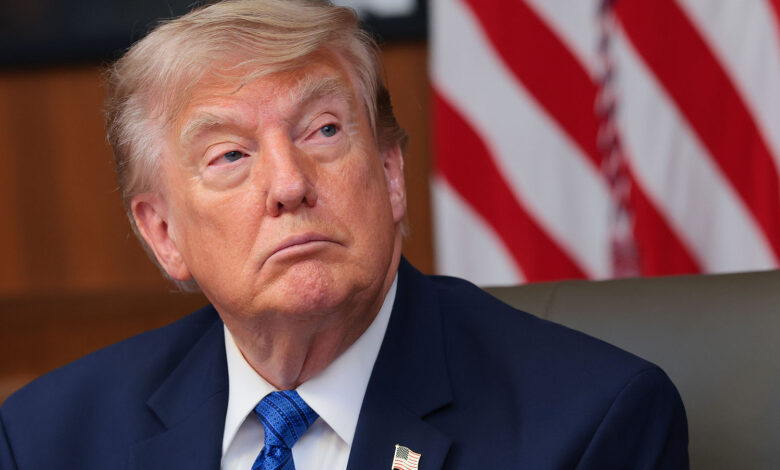
A federal judge in Florida has dismissed an amended $10 billion defamation lawsuit brought by Donald Trump against a major national newspaper over a published report concerning an old birthday card allegedly sent to Jeffrey Epstein.
U.S. District Judge Darrin Gayles ruled that the revised complaint suffered from the same fundamental flaw as the initial filing, failing to clear the high legal threshold required to demonstrate that the publication acted with actual malice. Because this marked Trump’s second attempt to establish his claims, the judge determined that dismissal with prejudice was warranted.
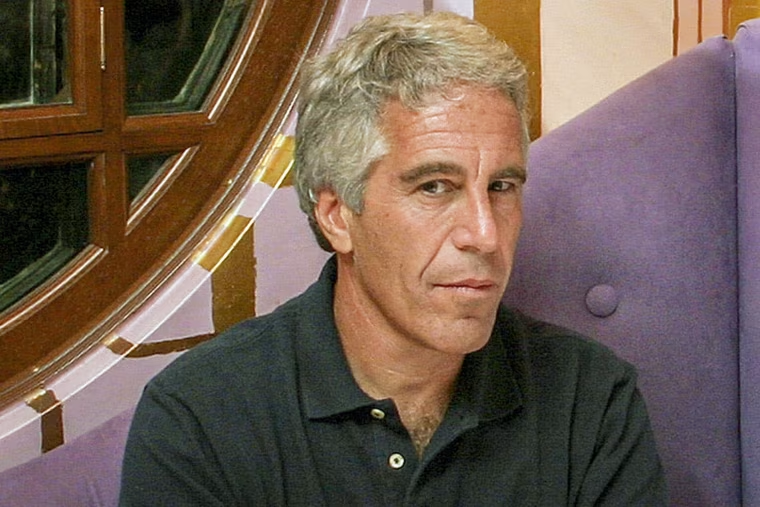
The underlying legal dispute stemmed from a report published last July regarding a birthday book assembled by Ghislaine Maxwell for Epstein’s 50th birthday in 2003. According to the coverage, the book contained a card featuring a hand-drawn outline of a naked woman with a signature resembling Trump’s first name positioned over the pubic area, accompanied by a typewritten note depicting an imaginary conversation with Epstein.
Trump forcefully denied any involvement with the card, and his legal representation contended in the lawsuit that the publication fabricated the item entirely. However, Epstein’s estate subsequently released a physical copy of a card matching the description in the story. Both Trump and the White House have maintained that the document is a fake, pointing out that the signature uses only a first name rather than his distinctive full signature.

In his legal filings, Trump argued that the article falsely attributed the drawing and signature to him and inflicted severe financial and reputational damage. The suit also criticized the publication for initially omitting an image of the card, asserting that this proved no authentic document existed, and faulted reporters for failing to interview Maxwell directly while she serves a 20-year prison sentence for sex trafficking.
Legal counsel for the publication countered that the amended complaint remained nowhere close to establishing actual malice, which requires proving that a statement was published with knowledge of its falsity or with reckless disregard for the truth. The defense emphasized that the original article clearly informed readers that Trump denounced the document as a forgery and denied authorship.

Furthermore, defense attorneys argued that sending a bawdy greeting to an acquaintance does not constitute defamation, noting that the article explicitly stated the birthday book was compiled years before Epstein faced criminal charges and that Trump’s relationship with Epstein had ended long before the sex crimes investigation.
The defense also maintained that subsequent public release of the document by the House Oversight Committee demonstrated the story was substantially true. While Maxwell told former Deputy Attorney General Todd Blanche in an interview last year that she could not remember whether Trump contributed to the birthday book, Democrats subsequently compiled examples of Trump signing solely his first name in other documents to highlight similarities with the disputed card.