Top Administration Officials Refuse to Rule Out Federal Agents at Polling Places Ahead of Midterms

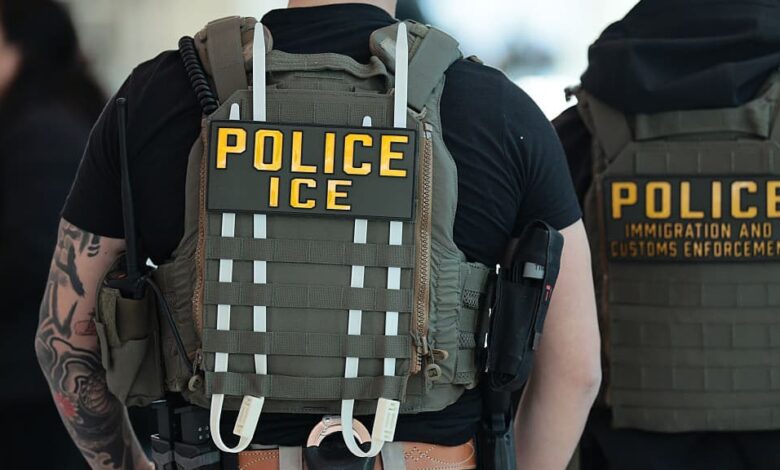
Top Trump Administration officials have publicly declined to rule out the possibility of deploying federal agents to polling sites ahead of the upcoming midterm elections, sparking debate over a long-standing policy and legal precedent maintained across presidential administrations for more than a century.
In September, Department of Homeland Security Secretary Markwayne Mullin stated that immigration officers could potentially be sent to polling places to serve a warrant as part of immigration enforcement operations or if a specific threat arose at a voting location. Mullin added that immigration authorities would be wherever they needed to be to enforce specific threats, while noting that immigration enforcement officers would not be stationed there merely to patrol polling areas.
Federal Bureau of Investigation Director Kash Patel echoed a similar stance, stating that federal law enforcement would respond to polling locations if a violation occurred that warranted their presence, but otherwise would remain away.
Legal experts and critics emphasize that, barring extreme circumstances, dispatching Immigration and Customs Enforcement or Federal Bureau of Investigation agents directly to voting locations would violate an 1865 federal statute alongside several other laws designed to prevent voter intimidation and the presence of armed federal personnel at polls.
Adding to the administration’s military and security posture discussions, Joint Chiefs of Staff Chair Daniel Caine pointedly declared this August that any official request to deploy military troops to election sites would constitute an unlawful order. Legal authorities note that the same prohibition applies broadly to other armed federal agents operating near or inside polling environments, upholding a century-old precedent that keeps armed federal personnel away from the electoral process.