Europe is entering the winter season with the lowest gas reserves on record, leaving the continent ill-equipped to withstand further supply shocks as Middle East conflicts disrupt global energy routes, according to International Energy Agency head Fatih Birol.
Speaking on the sidelines of an international conference in Berlin, Birol noted that energy disruptions in the Strait of Hormuz are impacting regions globally, but Europe remains particularly vulnerable. Even if peace were restored to the Gulf immediately, European nations face rising costs for liquefied natural gas (LNG) in the coming months due to depleted inventories. European natural gas storage currently sits at 72 percent capacity, well below the usual 90 percent mark. Analysts estimate the resulting shortfall represents an energy deficit large enough to power 10 to 12 million homes. In response to the tightening supply, EU energy ministers are reportedly considering whether to ask households and businesses to ration energy consumption.
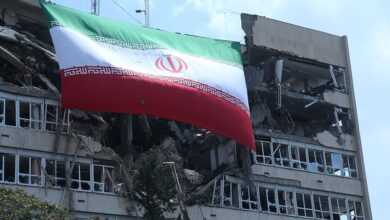
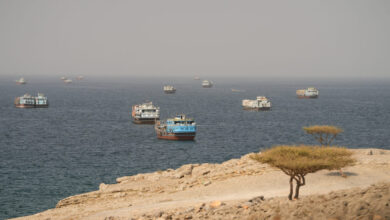
Nearly a tenth of Europe’s imported LNG previously transited through the Hormuz Strait before the conflict involving the United States, Israel, and Iran escalated. Iranian attacks on commercial vessels have caused imports to plummet, while ongoing flare-ups in the Bab al-Mandeb strait have further compounded the pressure. Birol expressed frustration that governments failed to implement preventive measures earlier, noting that Middle East countries are now scrambling to build and expand pipelines designed to bypass the Strait of Hormuz.
Beyond natural gas, European nations are grappling with shortages of imported refined products such as diesel, which powers the bloc’s industrial, agricultural, and trucking sectors. Birol pointed to Ukrainian attacks on Russian refineries as a contributing factor to the looming diesel scarcity, noting that approximately a third of Russian deliveries have halted. These compounded pressures follow years of warnings from the energy agency regarding Europe’s over-reliance on Russian fuel and the premature phase-out of domestic nuclear power generation.
The energy crisis has driven significant price increases, with natural gas surging by 140 percent since February and Brent crude trading well above $100 per barrel. Earlier this month, the Group of Seven nations agreed to release crude and diesel from strategic reserves, an effort coordinated by Birol that yielded an immediate $20 drop in surging oil prices. However, industry experts warn that emergency reserves offer only temporary relief and will cover just a few months of disruption.
Geopolitical tensions are also reshaping European domestic politics. Populist parties in countries ranging from France to Germany are leveraging public frustration over energy costs to challenge mainstream governments. Birol warned that energy has transitioned from a traditional business sector into a tool of political leverage, describing the current geopolitical dominance over energy markets as the worst he has ever witnessed.
While the European Union retains approximately 80 percent of its emergency stocks, Birol cautioned that global energy supplies have little remaining buffer. Without the unconditional reopening of critical shipping straits, markets will struggle to maintain current price stability as the winter heating season progresses.