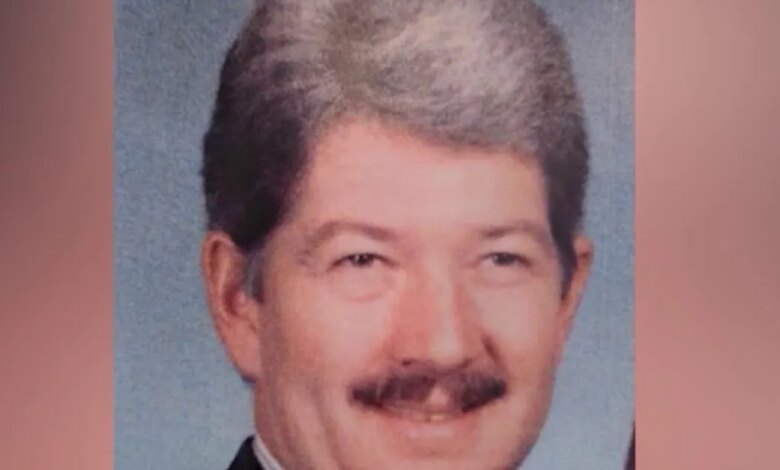
More than two decades after a Dallas man was shot and killed outside his home, investigators are turning to advanced DNA extraction technology in a renewed push to solve the lingering cold case. Reagan Wheeler died in his driveway on October 13, 2005, in what authorities believe was a targeted killing stemming from an attempted burglary. For 21 years, the case remained at a standstill as physical evidence sat stored in boxes, offering few leads to detectives searching for answers.
That dynamic has begun to shift as law enforcement agencies adopt specialized forensic techniques capable of recovering genetic material from challenging surfaces. Paulding County authorities are now utilizing a specialized process known as Bode-Xtraction on several shell casings preserved from the original crime scene. The analytical method is designed to extract trace DNA from spent cartridge casings and develop genetic profiles that can be cross-referenced against national databases to flag potential suspects.
Paulding County Sheriff’s Office Public Information Officer J. Turner explained that while the immediate priority during a shooting response is always preserving life and securing the scene, evidence preservation remains paramount for long-term accountability. Investigators note that modern genetic genealogy and specialized extraction methods provide capabilities that suspects cannot evade.
For the victim’s family, the renewed investigative push offers a fragile but welcome shift in perspective after decades of uncertainty. Mathew Brooks, Wheeler’s son, reflected on the emotional toll of the past twenty-one years and the family’s fluctuating expectations as the case stretched across decades. He noted that the family has transitioned through phases of maintaining hope, experiencing dwindling expectations, and at times feeling entirely depleted of prospects.
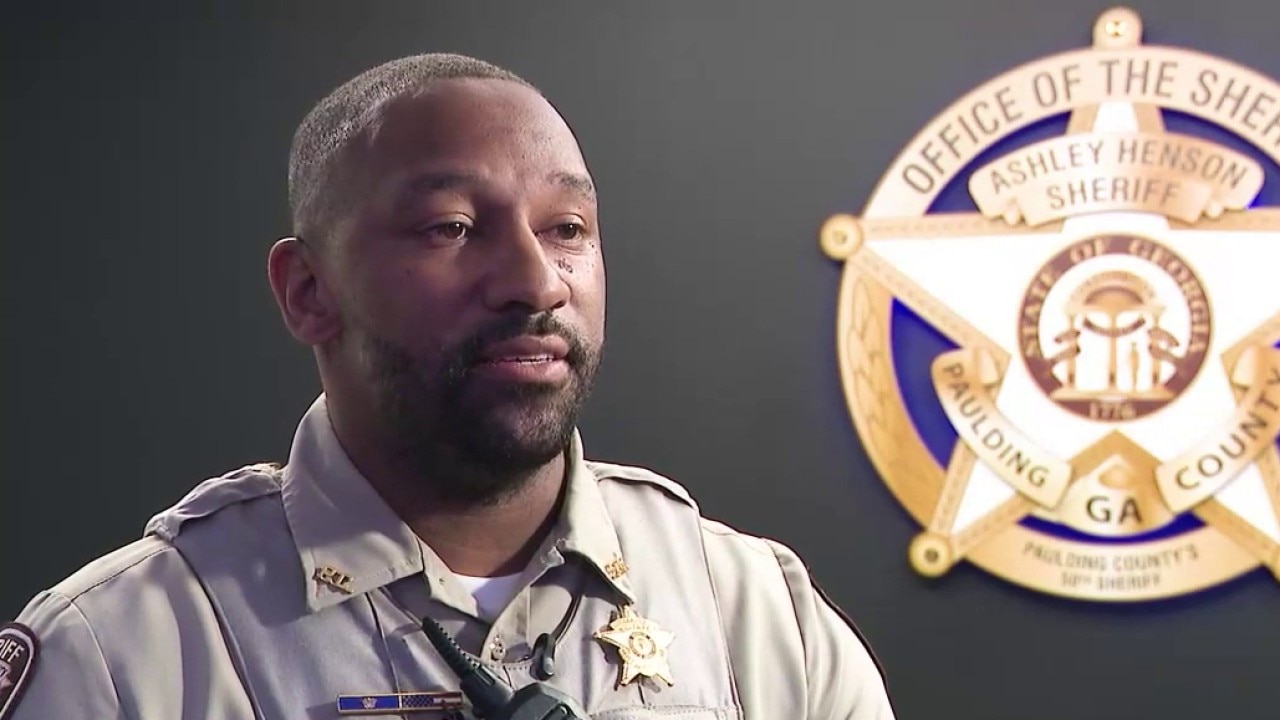
Following briefings from investigators regarding the application of the new forensic science, the family has adopted an optimistic stance. Brooks emphasized that thoroughness and accuracy take precedence over quick results, noting that after more than two decades, the passage of time is secondary to conducting the investigation correctly.
Despite the advancement in forensic testing, significant questions remain surrounding the 2005 incident. Authorities have not publicly identified any specific persons of interest, nor have they disclosed how many individuals may have been involved in the confrontation outside the residence. Additionally, sheriff’s officials have not provided a specific completion timeline for the out-of-state laboratory analysis.
Law enforcement personnel and the victim’s relatives continue to appeal to the public for assistance. Anyone possessing information regarding the October 2005 homicide is encouraged to contact the Paulding County Sheriff’s Office as the inquiry enters its latest phase.