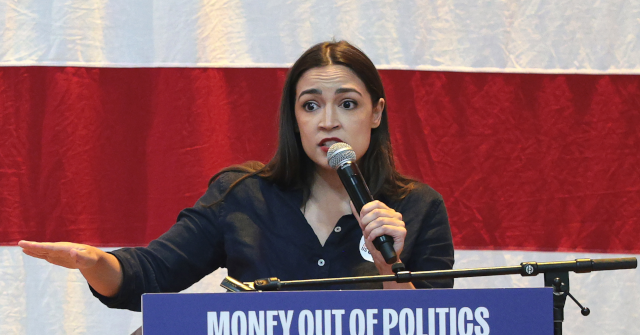
With the midterm elections just days away, a significant rift has emerged within the Democratic party over how to prioritize their legislative agenda should they secure majorities in the House or Senate. The internal debate centers on whether to aggressively push for transgender rights or maintain a strict focus on economic affordability, which many party members believe is the key to winning over voters.
The friction pits progressives against moderates who are clashing over the direction the party should take if they control the gavels in 2027. Senator Ed Markey of Massachusetts is among the most vocal advocates for an “affirmative platform” that seeks to expand protections for LGBTQ individuals. Markey and a group of like-minded lawmakers and advocates are proposing a two-pronged approach: passing legislation to codify rights for transgender people and using committee powers to compel testimony from Trump-era officials regarding past efforts to roll back nonbinary and transgender protections.
This sentiment is shared by several candidates in high-profile races. In New York’s 7th Congressional District, candidate Claire Valdez recently identified a “trans bill of rights” as a top priority for a potential Democratic House majority. These advocates argue that the party must deliver on social justice promises to maintain its base’s enthusiasm.
However, a large contingent of Democrats argues that such “culture war” battles could alienate voters who are primarily concerned with their bank accounts. This group maintains that the overriding theme of the campaign must be affordability. They contend that the party’s best chance of retaking Congress lies in its promise to lower the cost of living, rather than shifting the focus to polarizing social issues.
Public sentiment appears to align with this economic focus. Recent surveys from YouGov indicate that economic issues remain the top priority for Americans as the elections approach. While some data suggest that voters have begun to feel more optimistic about their household finances, the pressure to address inflation and daily expenses remains high.
Adding to the complexity are reports of significant economic growth. Financial figures, including Treasury Secretary Scott Bessent and analyst Larry Kudlow, have noted a substantial economic boom. Furthermore, a report from the Government Accountability Office (GAO) recently attributed a major increase in tax returns to laws passed during the Trump administration. Additional data indicates that paychecks have been successfully outpacing inflation, a point that Republican candidates are emphasizing as they rally voters.
As the November 3rd election date nears, the competitive landscape is shifting. While initial polling suggested strong surges for Democrats in late summer, many Senate battleground races are now tightening. Strategists note that enthusiasm remains high on the Democratic side, but as races revert to the mean, Republicans are showing a renewed ability to hold onto seats that once appeared vulnerable. This shifting environment has only intensified the internal Democratic debate over which message will ultimately resonate in the final stretch of the campaign.