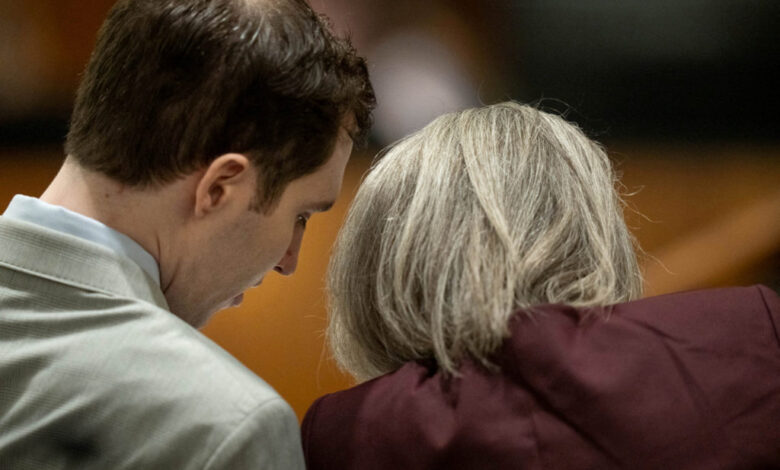
Defense attorneys representing the man accused of assassinating conservative activist Charlie Kirk have suggested a 2029 trial date, arguing that the complexity of the capital case and the massive volume of discovery will require years of thorough preparation.
Tyler Robinson, 23, pleaded not guilty to aggravated murder in connection with last year’s fatal shooting of Kirk. The attack occurred while Kirk, a prominent ally of President Donald Trump, was speaking before a crowd of several thousand people at Utah Valley University. Robinson turned himself in to authorities a day after the shooting, and his legal team has not advanced alternative theories regarding the incident. Because prosecutors are pursuing the death penalty, a conviction could result in capital punishment.
Utah County prosecutors have outlined a very different timeline, indicating in court filings that they anticipate a 17-week trial. While prosecutors stated they could be ready by October 2027, they ultimately proposed a start date of January 31, 2028, to avoid holding the lengthy proceedings during the Thanksgiving and Christmas holidays. Meanwhile, attorneys representing Kirk’s widow, Erika Kirk, argued that the defense’s proposed 2029 schedule was absurd and amounted to an intentional delay.
Jeffrey Neiman, an attorney for Erika Kirk, urged the court to set the trial for the earliest date proposed by the state. Under the defense’s timeline, Mr. Kirk’s two children—who were one and three years old at the time of the murder—would be six and eight years old by the time the proceedings concluded, Neiman noted in court documents.
Utah District Court Judge Tony Graf scheduled a Friday hearing specifically to establish an official trial date. The scheduling dispute has also drawn external attention, including a social media post from President Donald Trump prior to the hearing in which he asserted the case should be tried within a month and criticized the pace of the judicial process.
In court filings submitted this week, Robinson’s defense team explained that they must review tens of thousands of files provided by prosecutors. The lawyers emphasized that they need to conduct extensive investigations into Robinson’s personal background to uncover potential mitigating factors that could influence his sentence if he is convicted. Furthermore, they stated that substantial time must be dedicated to complex legal matters, including the jury selection process.
While acknowledging the court’s objective to establish a realistic schedule, the defense maintained that predicting a trial-ready timeline in a complex death penalty case remains exceptionally difficult. Trying to pinpoint an exact schedule at this stage, they wrote in a filing, is an exercise that will necessarily be infected with false precision.