Recent disclosures regarding two critical vulnerabilities in the PHP programming language have forced cybersecurity teams worldwide to reevaluate their incident response strategies. PHP underpins an estimated 70% of websites globally, making the unauthenticated nature of these flaws a significant concern for corporate networks, major businesses, and independent web administrators alike.
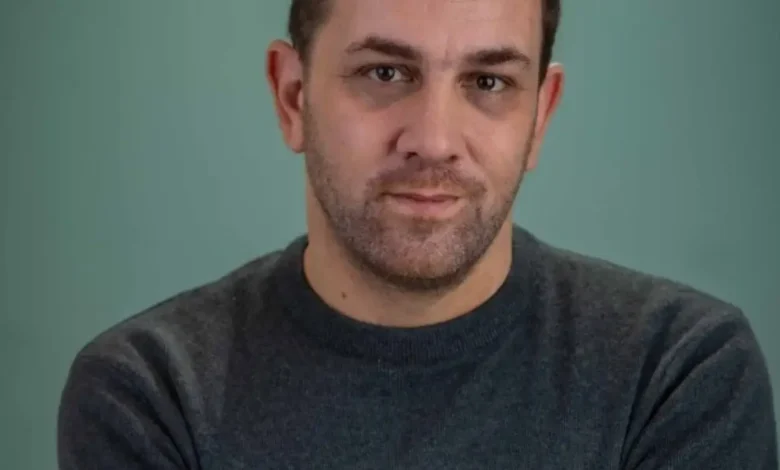
Yonaton Keller, a product manager at Tel Aviv-based Zafran Security, received early morning alerts on Wednesday detailing the disclosures. The time zone difference allowed his team in Israel several hours to assess the situation before the American workday began. Because the vulnerabilities required essentially no authentication from an attacker, the security implications extended far beyond simple website disruption. Industry specialists noted that successful exploitation could grant malicious actors full server control, enabling them to steal sensitive documents, pivot deeper into internal networks, and deploy ransomware.
The incident has underscored a fundamental shift in the threat landscape driven by artificial intelligence. While AI tools improve defensive detection and response capabilities, they simultaneously lower the technical barrier for attackers. Unskilled individuals can now leverage AI agents to exploit complex infrastructure flaws within minutes of public disclosure. This dynamic renders traditional cybersecurity timelines—which typically involve scoping the attack surface, drafting remediation plans, and scheduling IT deployment—dangerously obsolete.
Information regarding the flaws began circulating on an online forum after details were informally posted and quickly deleted, though screenshots rapidly spread across unofficial channels. The PHP Foundation subsequently announced it would release official details and patches for newer language versions around 5 p.m. Israel time. Ahead of the official fix, security professionals spent the day gathering informal intelligence to mitigate potential risks.
Organizations seeking to protect their assets are advised to follow a structured three-step process. First, administrators must audit their web applications and infrastructure to locate all instances of PHP, operating under the assumption that most internet-facing assets utilize the language unless restricted to basic HTML. Second, teams should consult detection rules and updates from major vulnerability scanners such as Tenable, Qualys, and Rapid7 to identify exposed assets. Third, organizations must immediately upgrade to the current, patched PHP version, a free process that may require technical assistance for subsequent configuration steps.
While some organizations opted to take their websites entirely offline, security professionals emphasize that this extreme measure is generally impractical for the vast majority of the web and should be reserved only for sites with concrete evidence of active targeting.
Although immediate panic has subsided following the release of the official patches by the PHP Foundation, cybersecurity teams remain on high alert. Hours after the software fixes became available, monitoring systems detected numerous exploitation attempts across the web. Industry leaders suggest that this incident marks a turning point, predicting that future cybersecurity investments will shift away from heavy reliance on post-compromise recovery toward pre-compromise defenses built to withstand rapid, AI-driven attacks.