Costa Rica has transferred the first 123 inmates into a newly constructed mega-prison located on the outskirts of the capital, San José. The facility represents a stark departure from traditional correctional practices in the nation, reflecting a hardening stance on public safety.
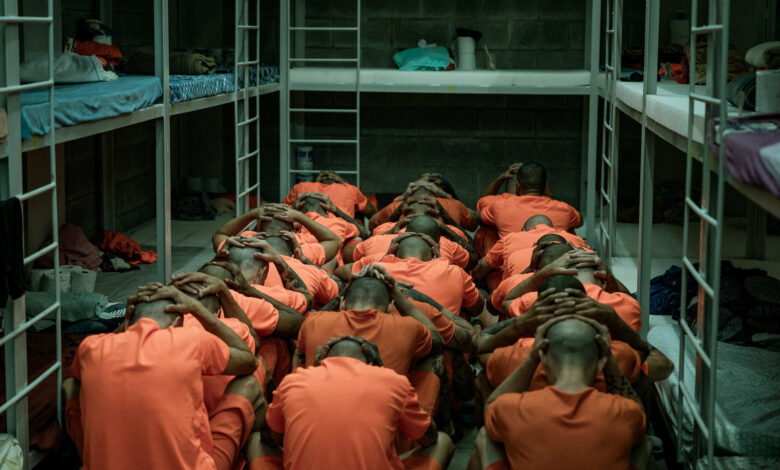
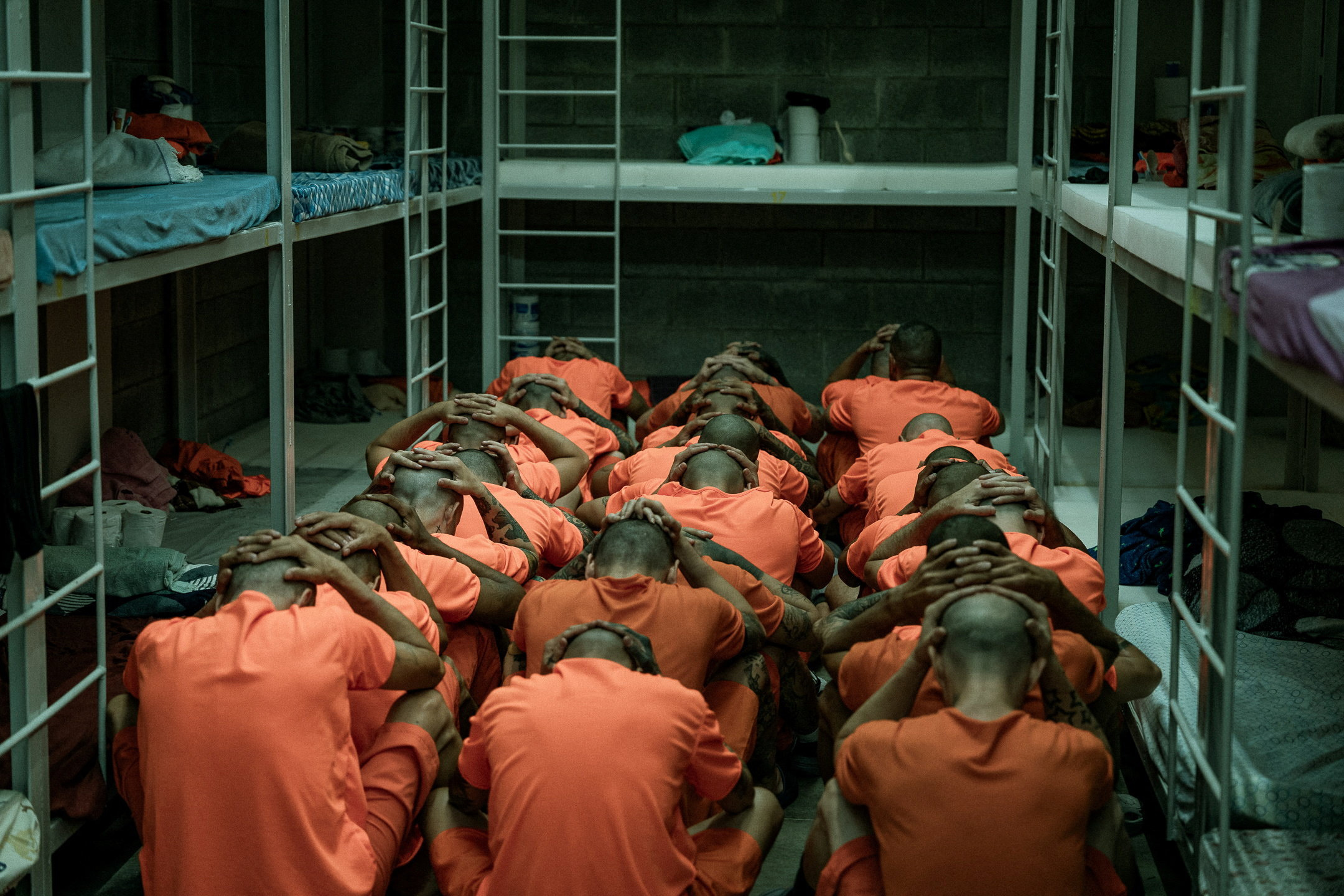
Images released by the country’s justice ministry on Tuesday depicted rows of arriving prisoners dressed in orange uniforms with shaved heads, seated on the floor with their hands positioned behind their necks. The posture and visual presentation closely mirror photographs originating from El Salvador’s Terrorism Confinement Center, the vast detention facility where President Nayib Bukele’s administration holds tens of thousands of suspected gang members.
Officially designated as the Center for High Containment of Organized Crime, or CACCO, the maximum-security institution was developed with direct assistance and structural inspiration from the Salvadoran government. The facility is situated in Alajuela and boasts a total capacity of 5,100 inmates, a figure that accounts for approximately 20% of Costa Rica’s overall prison population.
President Laura Fernandez’s administration has positioned the opening of the mega-prison as a central pillar of a new tough-on-crime initiative. Officials argue the measures are necessary to combat a mounting security crisis in a country historically recognized as one of the most stable and peaceful democracies in the Western Hemisphere.
“Costa Rica is writing a new chapter in its penitentiary history,” Justice Minister Gabriel Aguilar said in a formal statement. He described the new facility as a monument to national security and a forceful response to organized crime, adding that the institution will also serve to alleviate chronic overcrowding within the broader correctional system.
In recent years, Costa Rica has grappled with an unprecedented surge in violent crime driven largely by international drug trafficking and local organized criminal syndicates. While the nation logged a record-breaking homicide total in 2023—with subsequent figures later stabilizing—authorities maintain that the vast majority of lethal violence stems from bloody territorial disputes over drug routes and domestic distribution markets.